


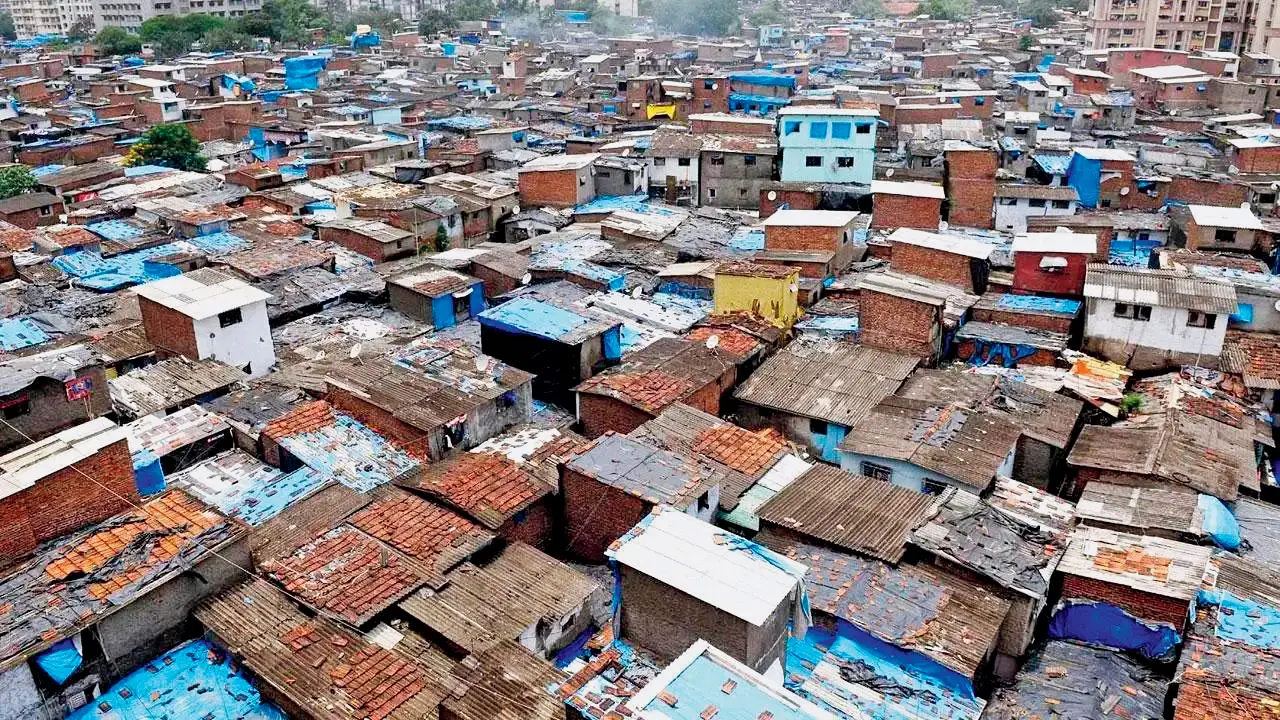
A local NGO in Mumbai is gearing up for a protest march on August 7 to oppose the state government’s decision to allocate 21.3 acres of land from Kurla Dairy to the Dharavi Redevelopment Project. The demonstration is set to start from Kurla and culminate at Varsha, the official residence of the Chief Minister, underscoring public concern about the future of open spaces and community planning in the city.
The controversy centres on the reassignment of the Kurla Dairy land—an area long earmarked by local stakeholders as a potential public green zone. Activists argue that the state had previously assured that the land would be preserved for public and ecological benefit, and that its sudden transfer for high-density rehabilitation purposes violates both environmental intent and public trust. The NGO leading the protest has raised red flags over the perceived opacity in the land use change, stating that residents were not adequately consulted. According to city-based urban planning experts, the abrupt shift in land allocation reflects a broader governance challenge where long-term community well-being is often sidelined for high-impact redevelopment projects.
Environmental advocates warn that Mumbai’s green spaces are rapidly shrinking and that decisions such as this contradict the city’s larger goals of sustainability and liveability. Several experts have reiterated that land parcels such as the Kurla Dairy plot hold the potential to offset the increasing ecological stress caused by mass urbanisation. Allocating such land for dense relocation, they argue, not only exacerbates infrastructural pressure in already burdened suburbs but also erodes the environmental balance. The Dharavi Redevelopment Project, though widely seen as a crucial intervention for upgrading one of Asia’s largest informal settlements, has increasingly come under scrutiny for its approach to land use and resettlement. Concerns about gentrification, dislocation, and lack of transparency have been consistently raised by civil society groups.
A civic official associated with the protest planning stated that the purpose of the march is not to oppose redevelopment per se, but to ensure it is done with accountability and sensitivity to the existing urban fabric. The NGO claims that the Kurla plot was previously promised to remain a buffer zone—offering ecological and recreational value to local communities—before policy decisions abruptly shifted its purpose. The situation underscores an important conversation about the need for inclusive planning, where redevelopment and sustainability do not become mutually exclusive. As the protest date nears, all eyes are on how the state government will respond to the growing public sentiment demanding preservation of Mumbai’s dwindling open spaces.
Whether the Kurla land decision is revisited or upheld, the protest signals a renewed urgency for citizen-led accountability in shaping the urban future of Mumbai.
Also Read : Delhi Government Considers Shifting Violent Stray Dogs To Shelter Homes
