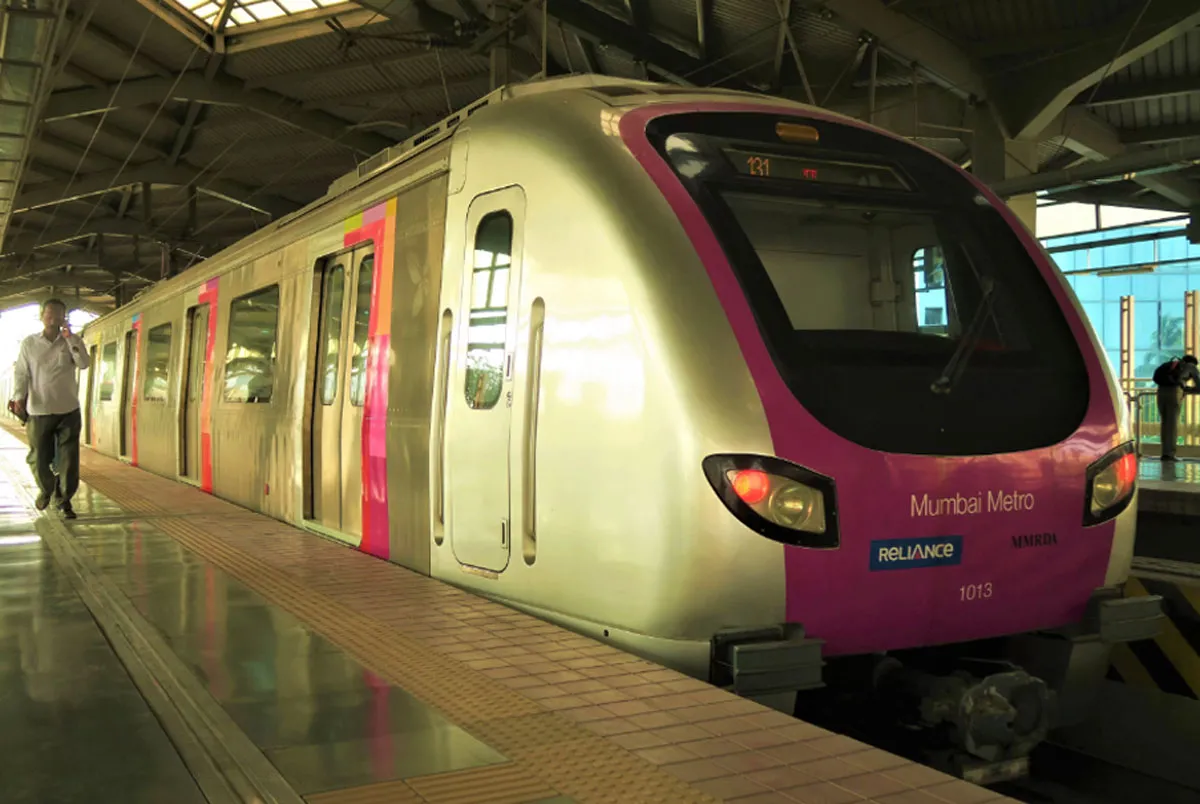
Mumbai’s plan to link its two airports through a dedicated metro line has moved a step forward, with the alignment for the proposed Metro Line 8 now finalised. The corridor is designed to connect the existing Chhatrapati Shivaji Maharaj International Airport with the upcoming Navi Mumbai International Airport, promising faster, cleaner and more predictable travel across the region’s eastern corridor. Placed within the state’s broader mobility strategy, the project is expected to strengthen public transport capacity while supporting a shift away from carbon-intensive road travel.
According to officials involved in the planning process, the state government has endorsed the route and integrated the line into the Mumbai Metropolitan Region Development Authority’s 337-km regional metro masterplan. The approval marks a significant step towards creating a more cohesive transit grid, which transport planners believe is essential for shaping a more sustainable and equitable Mumbai Metropolitan Region (MMR). The corridor will originate near the international airport in Mumbai, cross the Vashi Creek, and move along the Sion–Panvel Highway before branching into key Navi Mumbai nodes such as Nerul, Seawoods and Ulwe. Eleven stations are expected to fall within Navi Mumbai limits, offering new public transport access to emerging residential and commercial hubs. Urban planners note that this alignment aligns with the principles of transit-oriented development by improving last-mile connectivity and reducing dependence on private vehicles.
The line will be implemented by the City and Industrial Development Corporation (CIDCO) through a public–private partnership model. While the project was previously envisaged as a joint initiative with the metropolitan authority, officials said CIDCO will now lead the development independently. Industry experts suggest this approach could help accelerate execution timelines, provided that procurement, financing and contractor management are handled efficiently. The opening of the Navi Mumbai International Airport, inaugurated recently with its first flight scheduled for 25 December, has added urgency to the metro link. Mobility experts argue that without robust mass transit infrastructure, the airport’s full economic potential may remain underutilised, particularly as the surrounding districts are witnessing rapid urbanisation. An integrated airport-to-airport metro line could also help redistribute travel demand, reduce traffic congestion on arterial roads, and lower vehicular emissions—an essential goal for a region grappling with rising pollution levels.
If executed as planned, Metro Line 8 is expected to enhance accessibility for millions of residents while creating opportunities for job growth and real estate development around station areas. Officials emphasise that the line has been conceived with long-term regional cohesion in mind, aiming to ensure that both economic and mobility gains are shared more evenly across the metropolitan region. For commuters, the project could provide a faster, more inclusive and climate-conscious mobility alternative in a city increasingly shaped by sustainable transport priorities.
Mumbai & Navi Mumbai Advance Metro Line 8 For Dual Airport Connectivity