


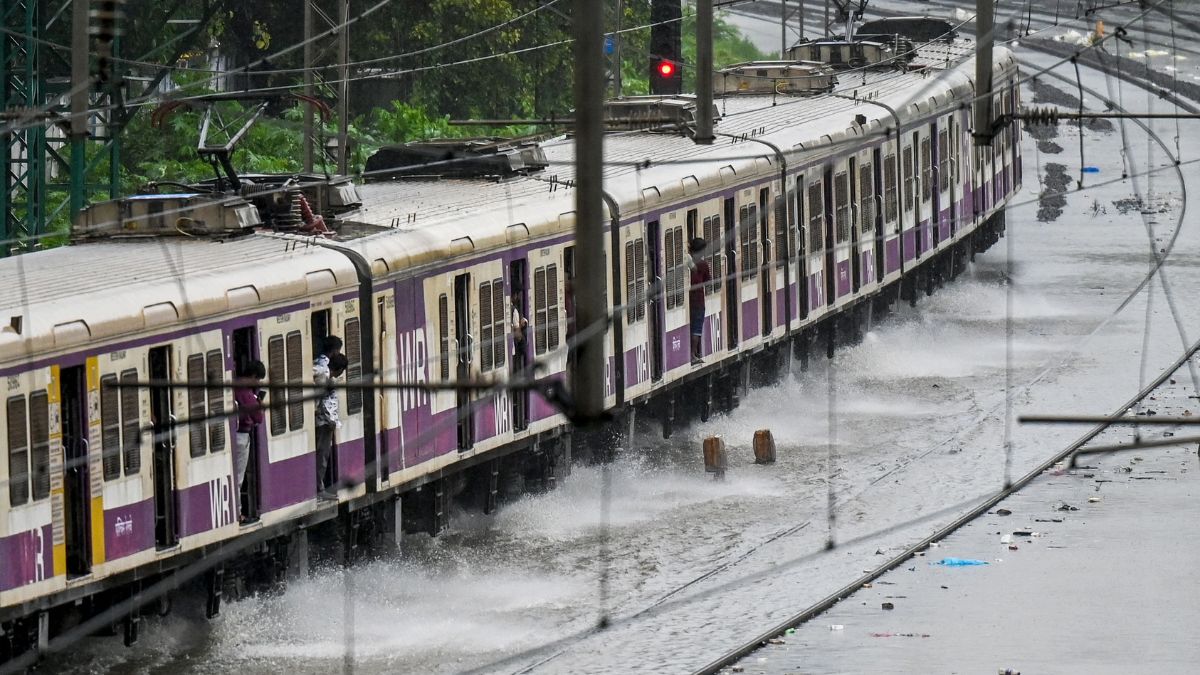
Persistent monsoon rains have severely impacted the Mumbai-Nashik railway corridor, causing widespread delays and cancellations, leaving commuters and long-distance travellers grappling with uncertainty. Officials from the railway transport authorities have mobilised staff and helpdesks at key stations to manage passenger flow and restore normal operations as swiftly as possible.
The downpours inundated critical sections of the route, forcing the cancellation of multiple trains while others experienced delays of up to fifteen hours. Commuters relying on daily services and intercity travellers were particularly affected, highlighting the vulnerability of existing rail infrastructure to extreme weather events. Nashik Road Station became a focal point for passenger assistance, with railway officials providing real-time updates, guidance, and support to stranded travellers. As the rainfall eased in Mumbai by midweek, some services, including the Panchavati Express, returned to schedule. However, other trains such as the Rajya Rani Express and long-distance superfast services continued to face delays, underlining the ongoing operational challenges posed by monsoon conditions. Railway authorities emphasised the importance of continuous passenger communication during disruptions to minimise inconvenience and maintain order across platforms.
Experts point out that the recurring monsoon-related disruptions are symptomatic of deeper infrastructural challenges. Many sections along the Mumbai-Nashik route are prone to waterlogging, and ageing drainage systems struggle to cope with intense rainfall. Officials indicated plans to assess and upgrade drainage infrastructure along the corridor, with an emphasis on sustainable and resilient designs that can mitigate flooding while supporting the growing volume of passenger traffic. Authorities also plan to implement advanced weather monitoring systems, enabling preemptive operational adjustments to reduce future delays. Enhanced signalling protocols, platform management, and real-time digital information for commuters are expected to form part of a comprehensive strategy to improve resilience during extreme weather.
Passengers are advised to regularly check real-time train status through official Indian Railways platforms and digital tracking services to navigate the disrupted schedules efficiently. Staff at Nashik and Mumbai stations remain on high alert, providing continuous updates and assistance to travellers affected by the persistent rains. While short-term disruptions are being managed, the recurring pattern of monsoon-induced delays underscores the urgent need for long-term infrastructural investment and planning along the Mumbai-Nashik rail corridor. Experts advocate prioritising modernisation of drainage, upgrading vulnerable track segments, and integrating climate-resilient infrastructure to ensure reliable and sustainable rail services for millions of daily commuters.
The Mumbai-Nashik railway disruptions serve as a reminder of the critical intersection between urban transport systems and climate resilience, highlighting the need for coordinated infrastructure planning that safeguards commuter convenience while supporting sustainable city mobility.
Also Read : Maharashtra Govt Approves Thane Navi Mumbai Airport Corridor And Wadala Gateway Metro
