Mumbai Nagpada Residential Fire Tests Urban Safety
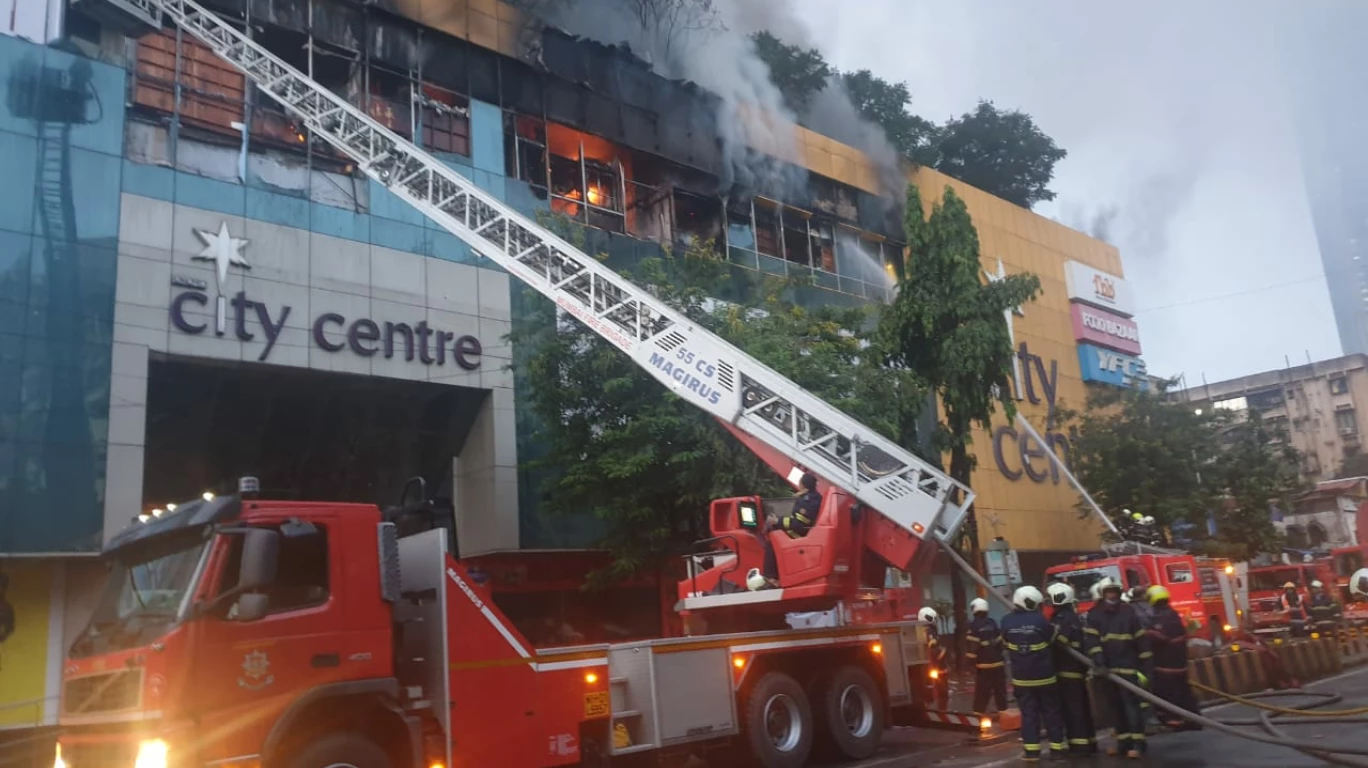
A significant fire broke out on Monday evening in a residential apartment block near City Centre Mall in the Nagpada area of Mumbai, triggering a multi-agency emergency response that brought the blaze under control without reported casualties. The incident, unfolding in one of South Mumbai’s most densely inhabited districts, has renewed scrutiny on urban fire resilience, building safety systems and emergency preparedness in high-density housing precincts.
The fire was reported on the second floor of a seven-storey residential building opposite City Centre Mall, and prompted immediate mobilisation by the Mumbai Fire Brigade alongside police, ambulance services and civic ward teams. Although the cause of the blaze remains under investigation, initial assessments indicate that the fire was contained relatively rapidly, with damage confined to a localized section of the structure.For residents in Nagpada — a neighbourhood characterised by mixed-use development and slender street networks — the event highlighted the recurring challenge of managing fire risk in compact urban fabrics. Urban safety planners point out that fire risk escalates where residential towers, commercial outlets and informal settlements sit in proximity, creating complex evacuation scenarios and placing heavier operational demands on first responders.
Fire safety experts note that modern building codes emphasise advanced detection and suppression systems such as automatic sprinkler installations, smoke detectors and fire alarm interconnectivity, yet compliance can be uneven across older buildings and retrofit structures. In rapidly urbanising megacities like Mumbai, the integration of climate-resilient building designs — including compartmentalised fire stops, multiple egress routes and accessible refuge spaces — becomes a pivotal public safety consideration.The episode also underscores the importance of routine audits and civic enforcement of fire safety regulations. Municipal authorities have in recent years tightened inspection protocols for high-rise developments, mandating regular maintenance of firefighting systems, clear evacuation signage and community drills. These measures aim not only to reduce the likelihood of fires but to ensure that residents are prepared and informed when emergencies occur.
From an infrastructure standpoint, the localisation of the incident near a major commercial hub raises questions about coordinated risk planning between residential and commercial land uses. Mixed-use districts are central to sustainable urban development, yet they demand integrated emergency strategies that transcend single-site responses, linking fire brigade routes with public utility frameworks and accessible evacuation corridors.Although there were no confirmed injuries reported, the Nagpada fire serves as a reminder of persistent vulnerabilities in Mumbai’s built environment. Industry analysts suggest that regular community engagement on safety protocols, enhanced data-driven inspections, and retrofitting legacy structures with modern fire suppression technologies can bolster resilience.
Looking ahead, civic authorities are expected to review safety compliance records for neighbouring buildings and may roll out targeted awareness campaigns to reinforce residents’ understanding of fire risk management. For cities with growing vertical populations, such iterative improvements are essential to safeguarding lives and livelihoods while advancing inclusive, zero-carbon and climate-resilient urban landscapes.