


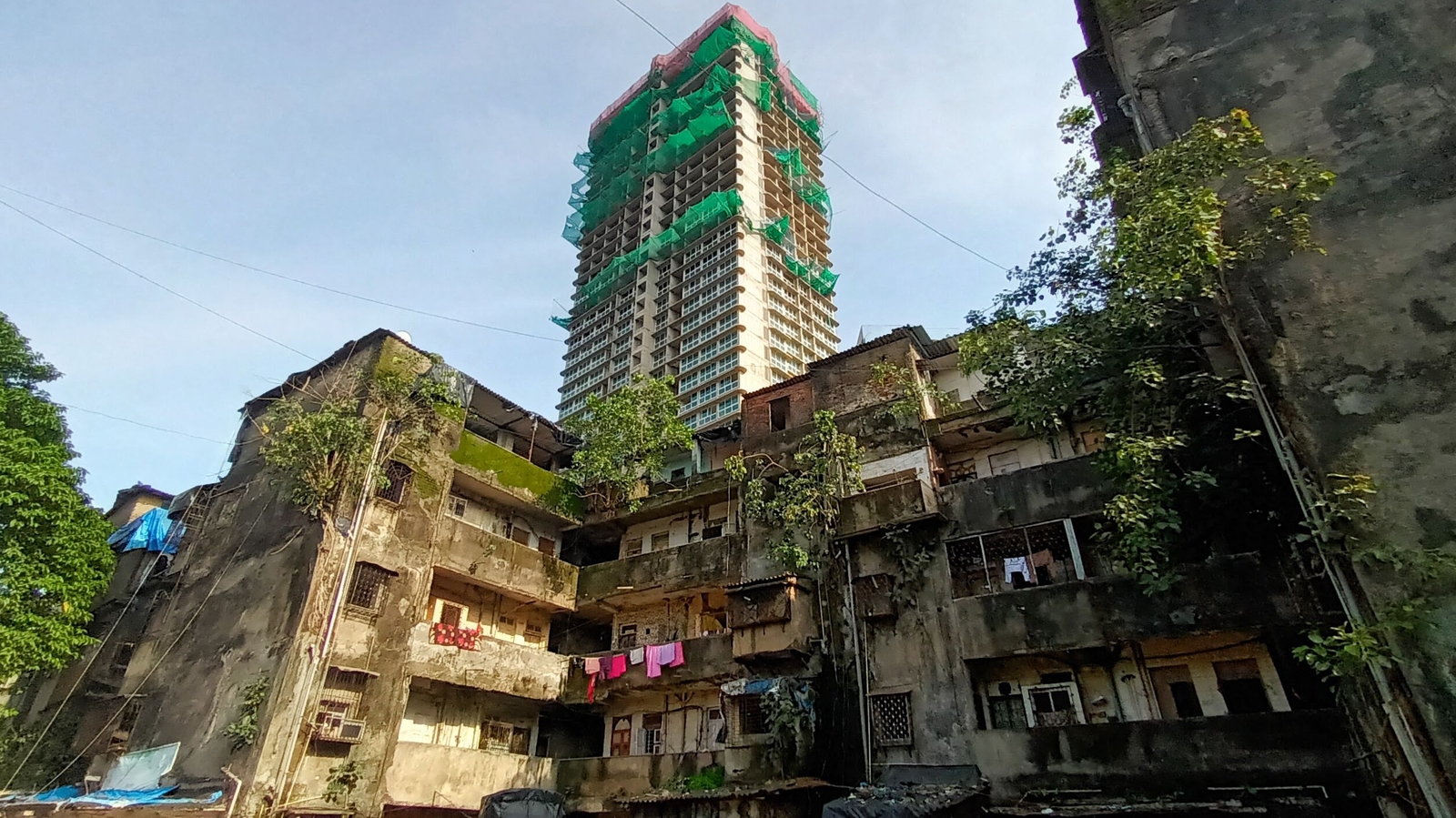
As Mumbai braces for the onset of its formidable monsoon season, a stark alert from the Maharashtra Housing and Area Development Authority (MHADA) casts a grim shadow over the city’s urban resilience.
MHADA has identified 96 old buildings in ‘extremely dangerous’ condition, placing a staggering 3,162 residents at immediate risk of collapse during the impending heavy rains. This annual pre-monsoon warning transcends a mere statistic; it underscores a profound challenge to Mumbai’s housing equity and its commitment to safeguarding its most vulnerable citizens against compounding environmental hazards, particularly as climate patterns intensify. The perilous structures are primarily concentrated in densely populated enclaves across South and Central Mumbai, including areas such as Bora Bazaar, Mohammed Ali Road, Falkland Road, Mazgaon, Girgaum, Khetwadi, and Dadar-Matunga. These are often historic neighbourhoods, their ageing infrastructure a testament to years of deferred maintenance and complex redevelopment challenges. MHADA’s Mumbai Building Repairs and Reconstruction Board (MBRRB) conducts its pre-monsoon surveys diligently, yet the persistent presence of such a high number of high-risk buildings, including two that carried the ‘extremely dangerous’ tag from 2024, highlights a systemic vulnerability within the city’s housing stock.
In response to the imminent danger, MHADA has initiated immediate action, issuing evacuation notices to 184 tenants thus far and preparing to shift affected residents to transit camps. While these emergency measures are critical for averting potential tragedies, they simultaneously expose the profound human cost of urban decay. Displacement, even temporary, disrupts daily lives, destabilises livelihoods, and places immense emotional and logistical burdens on families, disproportionately affecting women, children, and the elderly who often lack alternative support systems or financial reserves. This recurring cycle of displacement challenges the very tenets of providing equitable and dignified living conditions for all Mumbaikars. The urgency of MHADA’s warning is amplified by the India Meteorological Department’s (IMD) recent orange alert for heavy to very heavy rainfall across several districts of Maharashtra, including Mumbai, commencing from May 23 and continuing for four days. The increasing intensity and unpredictability of monsoon deluges, potentially exacerbated by climate change, place immense stress on existing urban infrastructure. Dilapidated buildings, already structurally compromised, become acutely susceptible to collapse under the relentless battering of rain, transforming a perennial risk into an immediate crisis and testing the city’s capacity for rapid humanitarian response.
This critical situation calls for more than just annual emergency measures. It necessitates a robust, long-term strategy for Mumbai’s ageing housing stock, one that transcends the immediate threat to foster true urban sustainability and resilience. A comprehensive approach must include expedited, transparent redevelopment policies, innovative funding models that prioritise public welfare over speculative gains, and dignified, permanent rehabilitation solutions that consider the social fabric of displaced communities. Investing in climate-resilient infrastructure and enforcing stringent building safety standards are pivotal steps towards mitigating future risks and ensuring that Mumbai’s urban expansion is both safe and equitable. Ultimately, the plight of the 3,162 residents living under the shadow of collapsing buildings underscores a fundamental challenge to Mumbai’s vision of becoming a zero-net carbon, eco-friendly, and equitable city.
The imperative is clear: to move beyond reactive crisis management towards proactive urban regeneration that safeguards lives, ensures housing security, and builds a truly resilient, inclusive, and sustainable urban environment for all its citizens.
Also Read: BMC Launches Vehicles With Pumps to Combat Urban Flooding
