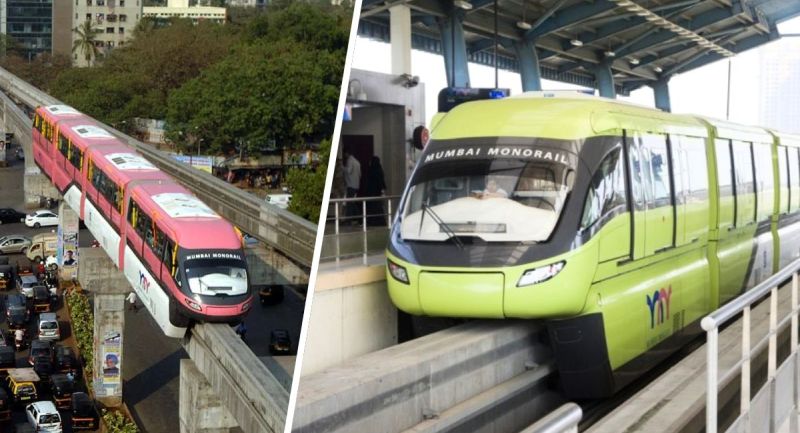
Mumbai’s stalled monorail system is edging towards a possible restart, with a Hyderabad-based infrastructure firm emerging as the frontrunner to operate and maintain the troubled corridor. The development marks a significant step in the city’s effort to stabilise a transport asset that has remained idle for months, raising broader questions about governance, reliability and the future of specialised transit systems in dense urban environments.
The public-sector entity overseeing Mumbai’s metro and monorail operations initiated a fresh operations and maintenance tender in mid-2025 after repeated service breakdowns rendered the 19.5-kilometre corridor between eastern suburbs and south-central Mumbai unreliable. Services were halted in September following multiple technical disruptions, effectively removing a last-mile transit option for thousands of daily commuters in some of the city’s most congested neighbourhoods. Industry sources familiar with the evaluation process indicate that a Hyderabad-headquartered engineering and infrastructure company submitted the lowest financial bid for a five-year operations contract, marginally below a competing private infrastructure firm. Two other bidders were eliminated earlier after failing to meet technical qualification thresholds. Officials involved in the process said the preferred bidder’s prior experience in rail-linked electrical and mechanical systems strengthened its case, though formal approvals are still pending.
The Mumbai Monorail’s operational history has been fraught with challenges since its launch more than a decade ago. Capacity constraints, signalling failures and power-related disruptions have frequently interrupted services, undermining commuter confidence. Last year, multiple incidents involving stalled trains and overcrowding intensified scrutiny, particularly after passengers were stranded for extended periods during peak hours. Concerns did not ease even after the suspension of services. A trial movement conducted during system testing later in the year resulted in a derailment within depot limits, causing injuries and prompting a safety review. Transport planners note that such episodes highlight systemic issues extending beyond day-to-day operations, including procurement practices, maintenance protocols and accountability frameworks.
For Mumbai, the implications extend beyond a single corridor. The monorail was conceived as a low-emission, space-efficient transit solution suited to narrow roads and dense settlements. Its prolonged shutdown has forced commuters back onto roads and buses, adding pressure to already stretched networks and increasing localised emissions. Urban mobility experts argue that restoring reliability is critical not just for ridership, but for maintaining credibility in future transit investments. From a governance perspective, the move to outsource operations reflects a broader shift towards performance-linked contracts in urban transport. However, analysts caution that private operation alone cannot compensate for design limitations or fragmented oversight. Clear safety benchmarks, transparent monitoring and integration with other modes will be essential if the monorail is to regain relevance within Mumbai’s expanding public transport grid.
While no timeline has been announced for resuming services, officials say technical rectification and safety validation remain prerequisites. As Mumbai continues to invest heavily in mass transit, the monorail’s reset will be closely watched as a test case for how cities can rehabilitate underperforming infrastructure while aligning with long-term goals of resilient, people-first urban mobility.
Mumbai Monorail Operations Near Private Handover