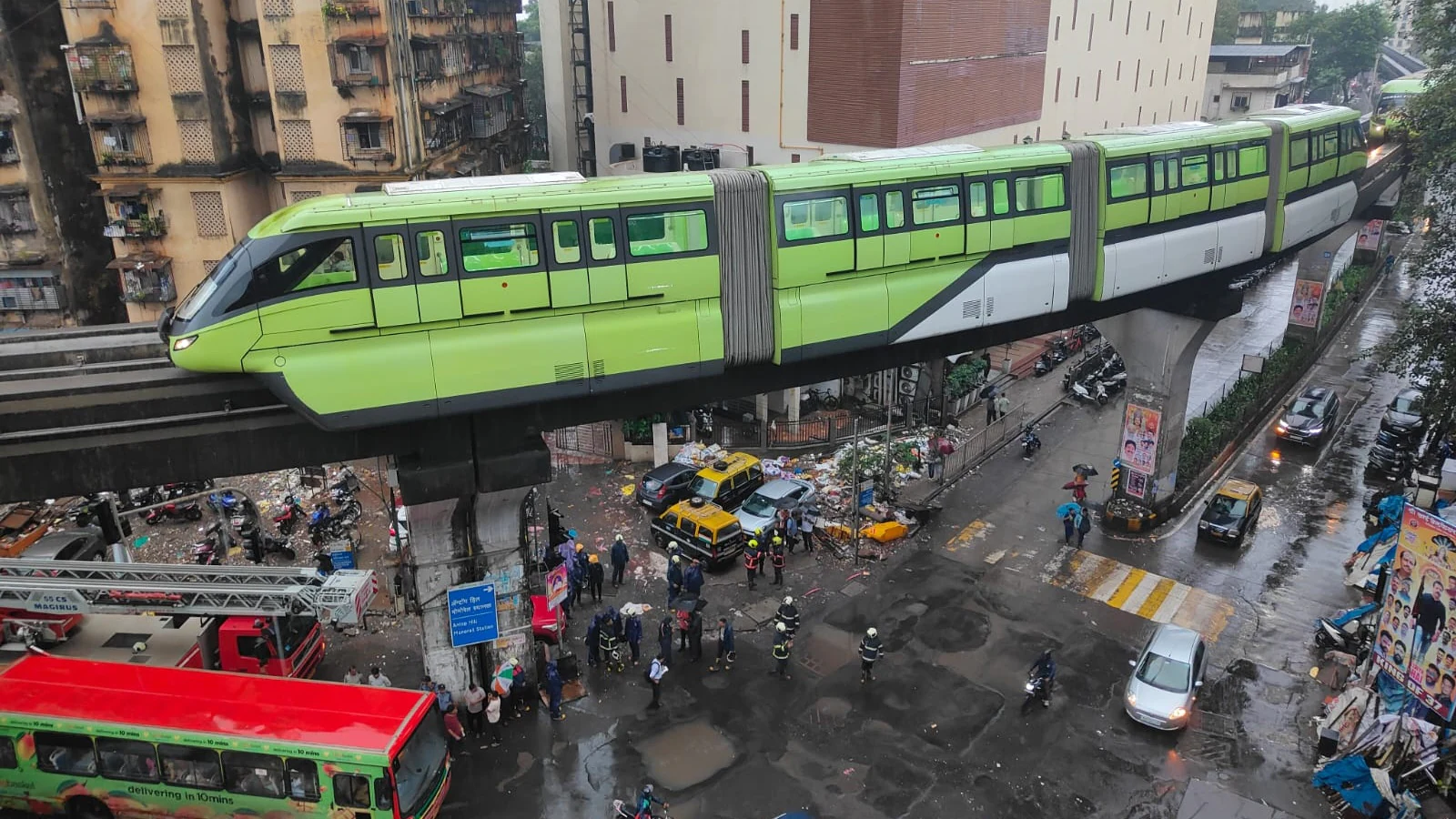
Mumbai’s monorail network is poised to resume operations by May 7, following a seven-month suspension caused by recurring technical and operational failures. The Chembur–Wadala–Jacob Circle corridor, spanning 19.54 km, has remained inactive since late September 2025, disrupting daily commutes for thousands of passengers who previously relied on the system. Civic authorities now aim to restore services while integrating improved safety protocols and private-sector operational expertise.
The Maharashtra Mumbai Metro Operation Corporation Limited (MMMOCL) has instructed the rolling stock supplier to complete comprehensive testing of the 10 newly manufactured monorail rakes, along with signalling, telecommunication, automatic fare collection, and passenger information systems. An independent safety audit, initiated earlier this month, forms a critical component of the recommissioning process. Sources indicate that regulatory clearance from the Metro Railway Safety commissioner, a mandatory requirement under existing laws, remains pending, with the state government considering temporary exemptions under the Indian Tramways Act, 1886. A key development in the monorail’s revival is the appointment of a private operator for long-term operations and maintenance. Power Mech Projects Ltd, a Hyderabad-based firm, was selected after competitive bidding at ₹296.4 crore, undercutting a rival proposal. The engagement is expected to enhance operational efficiency, ensuring systematic upkeep of infrastructure, adherence to schedules, and consistent service quality once operations restart.
Since its inception in February 2014, Mumbai Monorail has faced chronic technical challenges. Initial procurement disputes and non-delivery of rolling stock contributed to underutilisation and frequent service disruptions. Prior to the suspension, the line transported an average of 18,000 daily passengers, peaking at 20,000 during monsoon periods when breakdowns were most pronounced. Notably, a derailment during a trial run in November 2025 resulted in injuries, underscoring the need for rigorous safety oversight. Experts stress that operational resilience will depend on robust maintenance regimes, systematic staff training, and ongoing independent safety evaluations. Beyond operational considerations, the monorail’s revival carries wider urban and economic significance. By providing a sustainable, public transport option in eastern Mumbai, the corridor reduces dependency on road transport, mitigating congestion and emissions. Integrating private operators could also establish a model for financially viable, city-scale mobility systems without placing undue strain on municipal resources. Urban planners note that successful restoration of services may improve commuter confidence and encourage multimodal integration with other public transport networks.
Looking ahead, authorities will need to ensure that safety, maintenance, and passenger communication systems remain fully functional as ridership grows. Effective monitoring of performance metrics, coupled with proactive contingency planning for monsoon-related disruptions, will be crucial to restoring the monorail’s reliability and long-term relevance in Mumbai’s urban mobility ecosystem.
Mumbai Monorail May Reopen After Technical Shutdown