


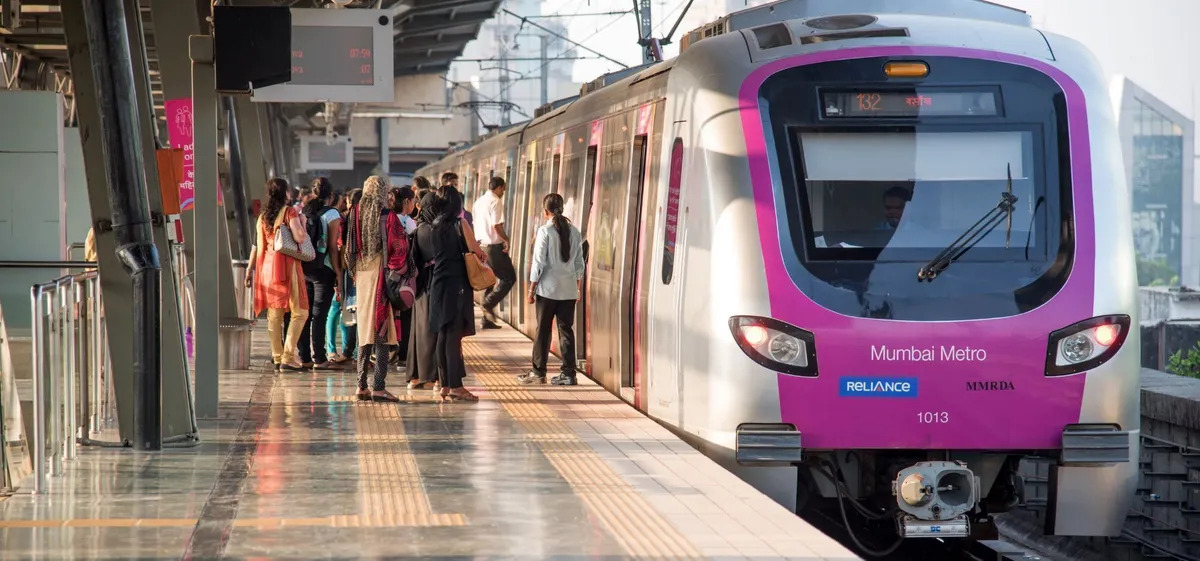
The Mumbai Metropolitan Region Development Authority approved over ₹12 000 crore in metro and smart transport contracts, marking a significant push towards sustainable, equitable, and low‑carbon urban mobility. The package includes 19 major contracts focused on expanding and enhancing Metro Lines 4, 4A and 6.
Notably, Larsen & Toubro (L&T), in collaboration with Alstom, secured Package CA‑234—valued at ₹4 788 crore—to supply rolling stock (234 coaches), advanced CBTC signalling, platform‑screen doors and depot equipment for the Green Line (Lines 4/4A) from Wadala to Gaimukh. L&T also won the CA‑168 ballastless track contract worth ₹188.59 crore, covering 35.2 km of Grade‑separated track between Wadala and Gaimukh For the Pink Line (Line 6) stretching 15.18 km between Lokhandwala and Vikhroli, IRCON International secured Package CA‑233 worth ₹668.15 crore to implement traction power, E&M systems, lifts and escalators across 13 elevated stations. These comprehensive contracts underscore MMRDA’s commitment to ensuring capacity increase, system integration and service reliability.
The authority also approved ₹535 crore for multi‑modal integration—linking 32 stations on Lines 4/4A with feeder buses, pedestrian access and cycle facilities. A separate ₹249.97 crore was earmarked for Automatic Fare Collection (AFC), ensuring seamless ticketing interoperability. Officials highlighted that this spending represents a strategic advance towards a smarter, greener Mumbai. The contracts align with carbon‑neutrality goals by supporting electrified transit, reducing commuter reliance on private vehicles, and lowering urban emissions. Multi‑modal integration reflects gender‑neutral and equitable planning, ensuring safe last‑mile options for women, elderly, and mobility‑challenged commuters.
City authorities emphasised the disruptive potential of this rollout. MMRDA’s Metropolitan Commissioner stated that systems integration—from rolling stock to fare collection—lays the foundation for operational readiness across expanding corridors . Deputy Chief Minister echoed that the strategy fosters inclusive and sustainable growth, noting its role in shaping future‑ready urban infrastructure . Analysts view these developments as a watershed moment. “Electrified metro expansion with integrated systems is vital to reduce Mumbai’s chronic congestion and pollution,” noted one transit consultant. The inclusion of maintenance and last‑mile connectivity enhances long‑term resilience and access equity.
However, such vast public investment also raises questions around land use, urban displacement, and cost recovery. Critics caution that without affordable fare caps and transparent governance, rising debt burdens could trickle down to commuters. MMRDA officials counter that revenue models include advertising, retail spaces and real‑estate partnerships at transit stations—creating diversified income streams while keeping fares accessible. Public response has been cautiously optimistic. Commuters in growing suburbs like Gaimukh and Vikhroli welcomed the contracts, expecting quicker trips and safer station access. NGOs pointed to the emphasis on pedestrian and feeder links as a progressive step toward gender‑inclusive transit design. At the same time, environmental groups called for the inclusion of rooftop solar and regenerative braking systems in future bids.
The ₹12 000‑crore package marks not just an infrastructure milestone but a strategic pivot. By fusing electrified tracks, digital ticketing, and pedestrian‑centric design, MMRDA aligns Mumbai’s skyline with global best practices in sustainable urbanism. As construction ramps up, swathes of the city will undergo transformation. Commuters should anticipate phased disruptions, but will eventually benefit from faster, greener journeys. The real test lies in execution—ensuring that timelines, cost‑efficiency, and equitable access are upheld. Mumbai’s ambition is clear: to set the standard for Indian urban rail systems that are climate‑friendly, inclusive, and economically resilient. This contract package marks a milestone, but its legacy will depend on delivery, accountability, and continued citizen engagement.
Also Read :Mumbai Metro coach fills with smoke near Devipada after fire
