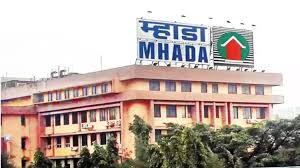
Mumbai MHADA Launches First Come First Served Flat Sales
Mumbai’s long-standing challenge of affordable housing in a high-demand real estate market has taken a pragmatic turn as the Maharashtra Housing and Area Development Authority (MHADA) prepares to open online applications for 118 unsold apartments under a first-come, first-served (FCFS) scheme starting 17 February 2026. The move is part of a broader MHADA strategy to clear dormant inventory and streamline access to subsidised homes amid rising pressure on urban living costs.
The flats on offer are spread across a mosaic of neighbourhoods — from suburban hubs like Kandivali, Malad and Powai to central and prime areas including Tardeo, Lower Parel and Juhu — reflecting diverse price points and household needs. The highest-priced unit in the current batch is located in South Mumbai’s premium Tardeo precinct, while the least expensive is in the vicinity of suburban nodes, catering to a mixed income spectrum of homebuyers.Previously, unsold MHADA homes — many of which were offered through traditional lottery draws — have lingered on the books due to fluctuating demand, procedural delays and pricing mismatches with evolving market realities. By shifting to a FCFS model for select inventory, MHADA aims to reduce administrative friction and give applicants more agency to secure units directly via its digital portal (bookmyhome.mhada.gov.in).
The online process will begin at 11:00 am on 17 February, followed by registration, security deposit payment and selection stages in early March; buyers must then confirm their selection with a 10 per cent payment within 48 hours of choosing a flat. Eligibility criteria maintain a broad citizenship requirement and a Maharashtra domicile proof issued after 2018.Urban planners and housing policy specialists note that streamlining such sales — separate from lottery mechanisms — can help absorb unsold stock more efficiently, particularly in a city where homeownership remains out of reach for many due to relentless price growth and limited land supply. The approach aligns with ongoing efforts to leverage digital platforms for transparent allocation, an important step in reducing speculative hoarding and making room for genuine occupiers.
However, the current offer also underscores the underlying structural challenge: affordable housing in Mumbai is both scarce and unevenly distributed. The wide price range — from mid-income-accessible units to high-end apartments in wealthier enclaves — illustrates persistent gaps in accessible accommodation for lower-income groups, especially as demand continues to outpace supply. A broader tranche of 5,000 MHADA homes is expected to be brought to market in coming months, potentially easing some pressures should the inventory and eligibility mechanisms align more closely with demand.
For the city’s planners and policymakers, the real test lies in balancing housing affordability with financial viability, ensuring that digital allocation systems are inclusive, and that unsold inventory does not remain locked away as latent capital. As MHADA refines its strategy, the outcome of this round will be watched closely by both would-be homeowners and urban housing analysts keen to see whether incremental policy shifts can recalibrate Mumbai’s housing ecosystem toward more equitable outcomes.