


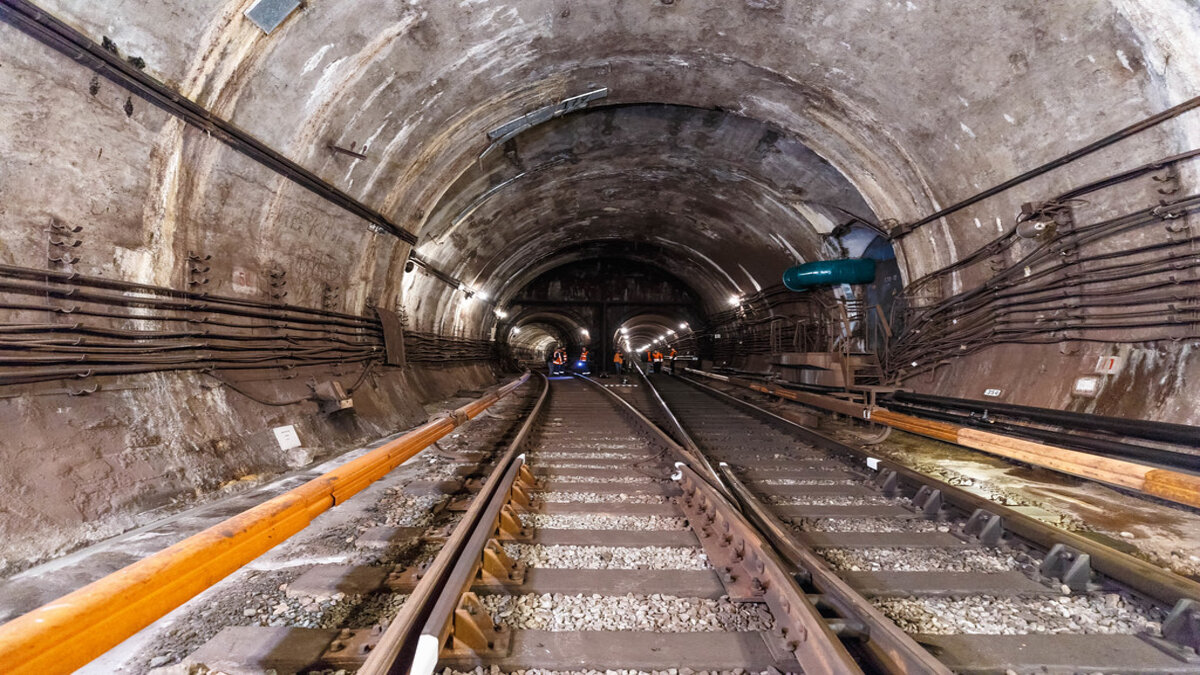
The Supreme Court has stepped into the ongoing controversy surrounding the Rs 14,000 crore Thane-Ghodbunder-Bhayander twin tunnel and elevated road project, raising critical questions over the fairness and transparency of the bidding process led by the Mumbai Metropolitan Region Development Authority (MMRDA).
In a hearing held on Monday, a bench comprising Chief Justice D Y Chandrachud and Justice A G Masih questioned the rationale behind MMRDA’s decision to disqualify one of India’s leading infrastructure companies, L&T, on technical grounds. This disqualification has ignited a legal battle that could potentially delay the execution of a project deemed vital to improving connectivity in the Mumbai Metropolitan Region.
The project, once completed, will be the second-longest twin tunnel and elevated road infrastructure in the country, after the Atal Setu. It aims to enhance east-west connectivity and reduce congestion in the fast-urbanising corridor between Thane and Bhayander. However, with the bidding process under scrutiny, the timeline of this mega project is now uncertain.The apex court has not issued a formal stay but has asked MMRDA’s legal representatives — including the Solicitor General and senior counsels — to consult the Maharashtra state government and report back on whether there is willingness to re-tender the project. If no resolution is found, the bench indicated it may issue interim orders by Thursday.
L&T approached the court after the Bombay High Court’s vacation bench dismissed its plea on May 20. The firm argued that it was unfairly declared technically non-responsive despite meeting all eligibility criteria and having an exemplary track record in executing large-scale infrastructure projects — including the Central Vista redevelopment in Delhi.In the high court, MMRDA defended its decision by asserting that the agency was not obliged to disclose technical disqualification outcomes during the bidding process and would only do so once the contract is awarded. L&T, in contrast, cited guidelines from the Maharashtra Public Works Department (PWD) and Central Vigilance Commission (CVC) that emphasise transparency, accountability, and timely communication with bidders.
While the Bombay High Court found merit in L&T’s concerns over opaque tender conditions, it noted that the company had accepted the terms of the tender and participated without challenge, weakening its legal position. Nonetheless, the court directed that financial bids be kept sealed for two weeks, allowing L&T to seek redress from the Supreme Court.The broader concern, as raised by legal experts and urban infrastructure observers, lies in the potential chilling effect such decisions may have on competitive bidding and public trust in large-scale procurement. Infrastructure projects of this scale play a critical role in enabling low-emission mobility and improving urban sustainability. Yet, procedural integrity remains central to ensuring that these projects are executed by the most capable and transparent means.
The court’s remarks suggest an emerging judicial appetite to uphold transparency in urban megaprojects, particularly where public funds and sustainable city-building are concerned. The outcome of this case could set important precedents for future tenders across India’s rapidly urbanising landscape.
Whether MMRDA will opt for a re-tender or continue with its existing course remains to be seen. What is clear, however, is that this legal intervention has brought the conversation around urban infrastructure beyond engineering and finance — into the realm of governance, fairness, and citizen-centric accountability.
Also Read : Belagavi Legal Experts Back Indus Water Reforms
