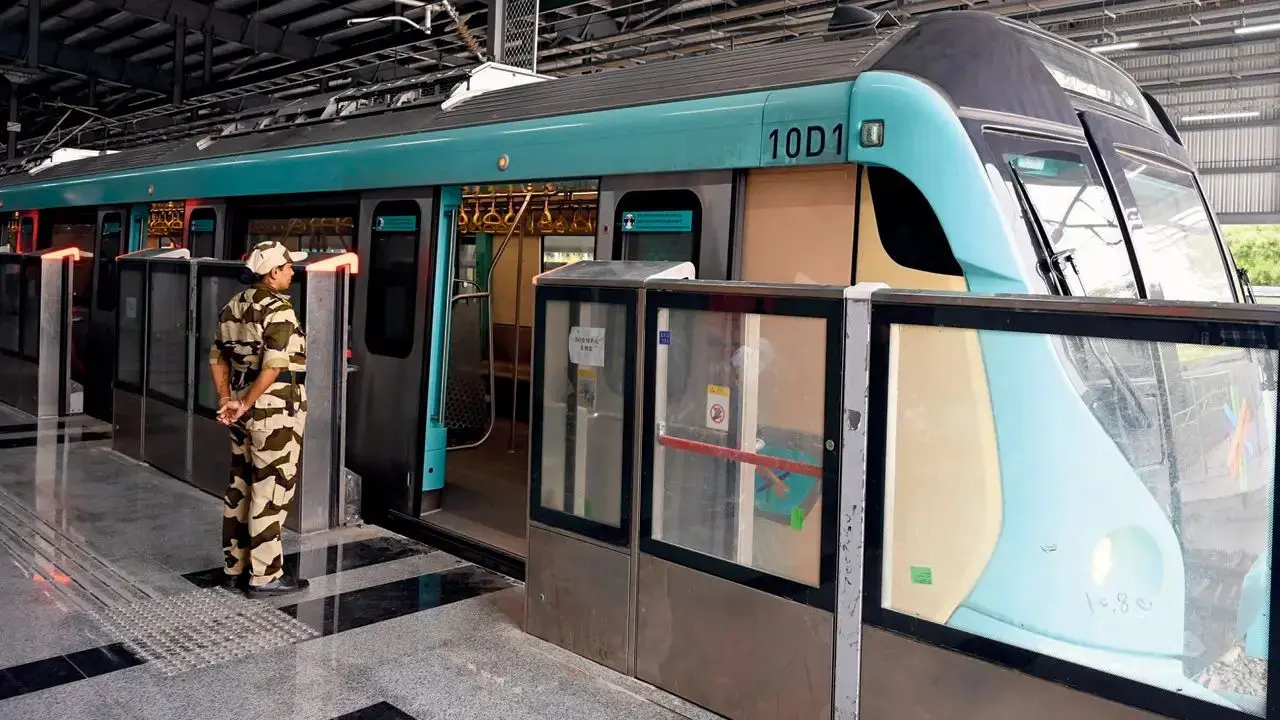
Mumbai Metro sells Nariman Point land to RBI for funding
Mumbai’s mass transit ambitions received a significant boost this week as the Mumbai Metro Rail Corporation finalised a land deal with the Reserve Bank of India, raising over Rs 3,471 crore to finance the Metro-3 project. The transaction underscores the city’s growing reliance on innovative funding models to push through large-scale, climate-friendly infrastructure projects.
The deal involves the transfer of a 16,842 square metre parcel at Nariman Point, one of south Mumbai’s most valuable commercial zones. The central bank agreed to pay Rs 2,871 crore for freehold rights, with an additional Rs 600 crore committed towards clearing rehabilitation obligations tied to the site. Officials confirmed the agreement was executed on 5 September after receiving necessary approvals and valuation clearances.The land was originally allocated to the metro authority by the state government, with a mandate to raise Rs 1,000 crore for project funding through real estate monetisation. Instead, the sale has exceeded projections by more than threefold, enabling faster mobilisation of resources for the Colaba–Bandra–SEEPZ corridor, popularly known as Metro-3 or the Aqua Line.
The 33-kilometre underground corridor is one of Mumbai’s most ambitious transport undertakings, designed to reduce vehicular traffic and significantly cut carbon emissions. Two phases of the Aqua Line are already operational, while the final stretch connecting south Mumbai to the city’s western and northern suburbs is expected to conclude shortly. Once complete, the corridor is projected to carry over 17 lakh passengers daily, offering a sustainable alternative to road-based commuting.Urban planners view the RBI transaction as a model for future financing of sustainable transport. “Large metro systems are highly capital-intensive. Land monetisation allows agencies to reduce dependence on debt and direct subsidies while maintaining affordability for users,” explained a senior transport expert. This aligns with global best practices where land value capture mechanisms are deployed to fund public infrastructure.
The deal also highlights a broader policy push to ensure India’s cities build climate-resilient transport systems. By shifting commuters from private vehicles to mass rapid transit, the Metro-3 corridor is expected to reduce air pollution, save fuel, and improve overall liveability in a city long burdened by congestion.While the funding milestone signals progress, challenges remain in ensuring timely project completion and seamless integration with other metro lines. Observers stress that equitable urban development will require not only financial innovation but also accountability in execution, transparent rehabilitation processes, and attention to gender and accessibility in design.For Mumbai, the land sale is more than just a financial transaction. It represents a strategic step towards shaping a future-ready city where sustainable mobility takes precedence, and where urban space is harnessed to drive inclusive growth and environmental responsibility.