


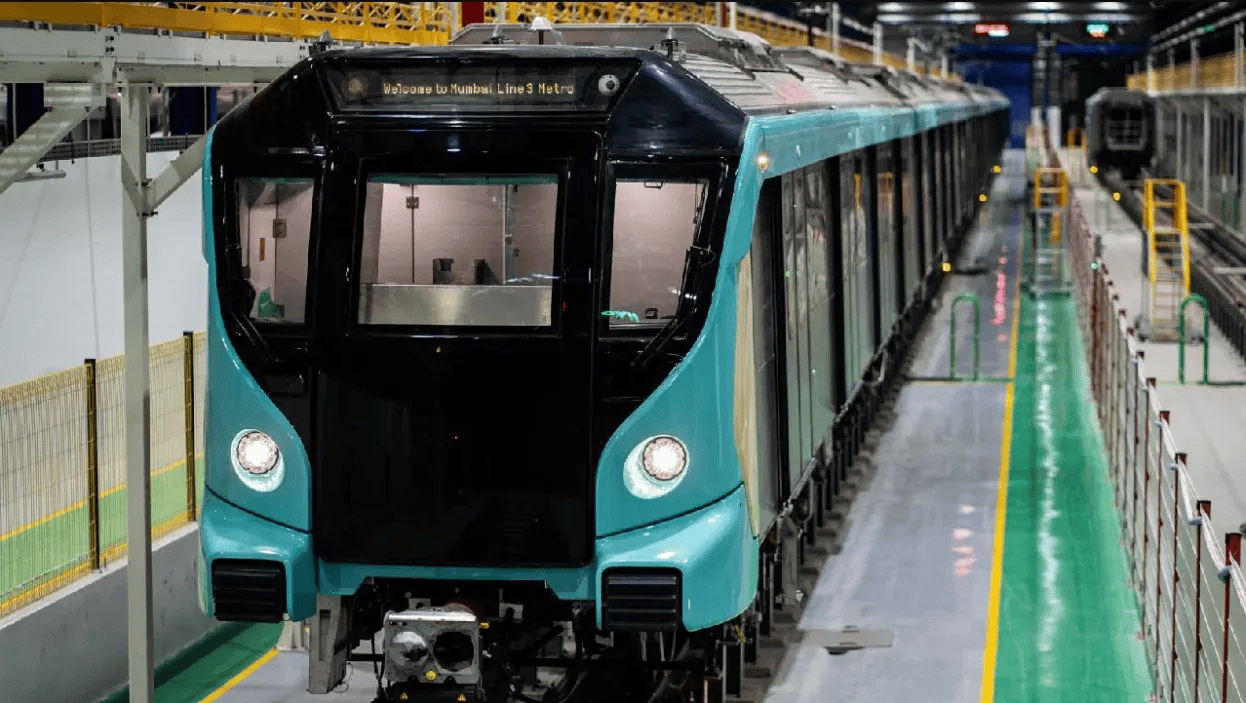
Mumbai’s urban landscape is on the cusp of a significant transformation as the pathway linking the Chhatrapati Shivaji Maharaj Terminus (CSMT) subway with the upcoming Metro Aqua Line 3 station nears completion. This crucial infrastructure development, anticipated to be fully operational by December 2025, promises seamless multi-modal connectivity for an estimated 1.7 million daily passengers. The integration is set to enhance sustainable urban mobility and foster a more accessible, equitable city.
The integration of the Mumbai Metro Aqua Line 3 with the iconic Chhatrapati Shivaji Maharaj Terminus (CSMT) is rapidly progressing, with the direct pathway connecting the under-construction Metro station to the Brihanmumbai Municipal Corporation (BMC) subway now visibly taking shape. This vital link marks a pivotal moment in the city’s commitment to modernising its public transport infrastructure. The strategic positioning of the CSMT Metro station, directly across from the BMC headquarters at Azad Maidan, facilitates this seamless underground connectivity, ensuring commuters can transition effortlessly between the suburban railway network and the new Metro line. This direct access point is one of several entry and exit points designed to maximise convenience and reduce surface traffic congestion around a bustling urban node.
The Aqua Line 3, spanning an impressive 33.5 kilometres from Colaba to SEEPZ, is poised to become a transformative artery for Mumbai’s daily commuters. With 26 of its 27 stations located underground, the line is engineered for high-capacity transit, aiming to serve an estimated 1.7 million passengers each day upon full operationalisation. This substantial shift from private vehicles to efficient, electric public transport is a critical step towards achieving Mumbai’s zero net carbon aspirations. By significantly reducing vehicular emissions and fuel consumption, the Metro line directly contributes to cleaner air and a healthier urban environment, aligning with the broader agenda of eco-friendly and sustainable city development.
Beyond its direct route, the Aqua Line 3 is designed as a cornerstone of Mumbai’s multi-modal integration strategy. It will establish crucial connections with eight existing railway stations, the Maharashtra State Road Transport Corporation (MSRTC) bus depot, Metro Yellow Line 2B, and Metro Blue Line 1. This comprehensive network of interconnections is fundamental to creating a truly integrated public transport system, allowing commuters unparalleled flexibility and choice in their daily journeys. Such seamless transfers are vital for reducing the overall travel burden on citizens, promoting a more equitable access to employment hubs, educational institutions, and healthcare facilities across the sprawling metropolis.
The emphasis on seamless connectivity and high-capacity public transport directly underpins the vision for a gender-neutral and equitable city. Well-lit, secure, and easily navigable underground pathways, like the one nearing completion at CSMT, enhance safety and accessibility for all commuters, including women, children, and persons with disabilities. By providing reliable and efficient public transit, the Metro empowers individuals from all socio-economic strata to participate fully in the city’s economic and social life, fostering inclusivity and reducing disparities in access to urban opportunities. This infrastructure development is not just about moving people; it is about fostering social cohesion and enhancing human dignity.
As the final preparations for the Aqua Line 3 corridor’s opening proceed, the focus remains on delivering a world-class transit experience that is both efficient and environmentally responsible. The project’s meticulous planning, from its underground design to its extensive interconnections, reflects a commitment to long-term urban sustainability. The reduction in surface traffic and associated noise pollution, coupled with the shift towards electric propulsion, will contribute significantly to improving the overall quality of life for Mumbai’s residents. This Metro line is set to become a vital component of Mumbai’s journey towards becoming a truly smart, green, and resilient global city, setting a benchmark for future urban infrastructure projects across the nation.
Also Read :Mumbai Plans Direct Metro Connection To BKC Bullet Train Station
