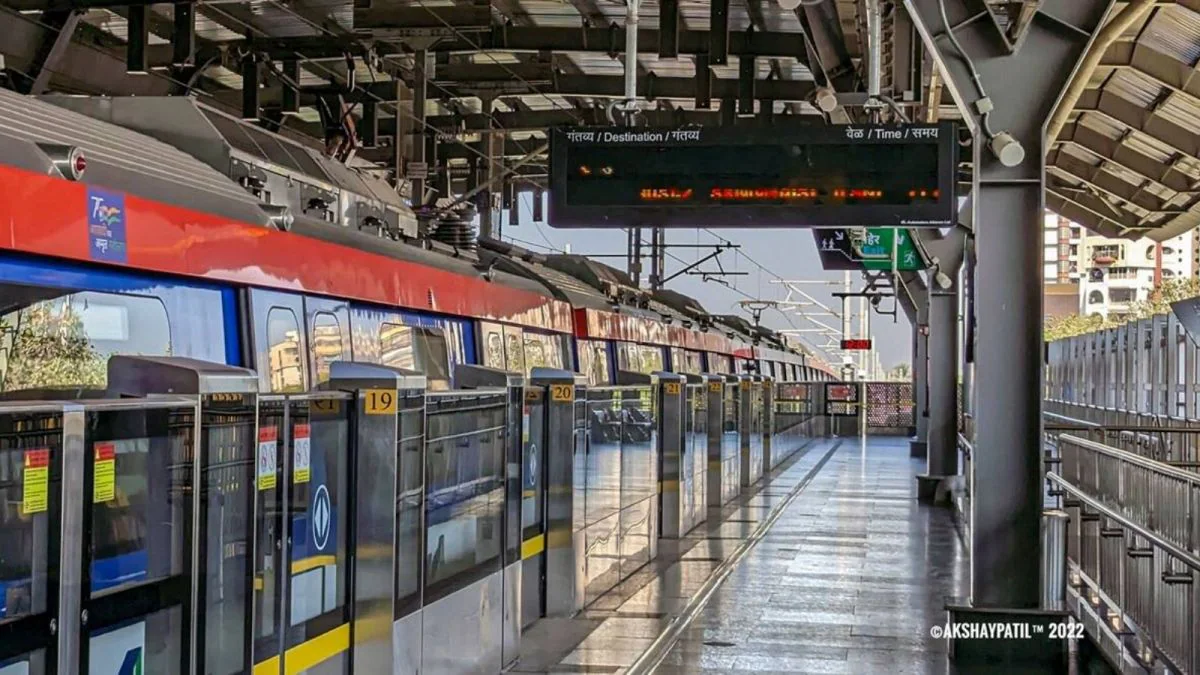
In an innovative intersection of urban infrastructure and creative industries, the Maha Mumbai Metro has begun officially allowing film, advertising and media shoots inside its trains and stations, offering a controlled, iconic backdrop for storytelling and commercial production. The initiative — aimed at filmmakers, content creators, students and agencies — signals a strategic effort to leverage public transit spaces as shared civic assets while generating new revenue streams and enhancing cityplace visibility.
Authorities say the move will open access to a range of metro assets, including platforms, concourses, concourse areas, depot exteriors and even actual metro trains, subject to safety and scheduling requirements. Applicants must register at least 15 days in advance through Maha Metro’s online portal, detailing their crew size, equipment, shooting concept and location preferences. Fees start at a modest application charge, with additional hourly booking and refundable security deposits for larger sets or longer use periods.Urban planners see this as a forward‑looking approach to how city infrastructure can support creative economies. Mumbai’s metro network — with its sleek architecture, modern design elements and daily rhythms of commuters — offers diverse visual contexts that are hard to replicate on studio lots, making it an attractive canvas for filmmakers and advertisers alike. By formalising access, officials are also responding to long‑standing industry demands to reduce logistical hurdles and production costs when shooting authentic urban scenes.
In broader terms, this policy reflects inclusive, people‑first urban planning: public assets not only serve mobility needs but also enrich civic life by supporting arts, documentation and storytelling that capture the city’s spirit. Mumbai’s trains and stations have already featured in major films and media projects — albeit often with ad hoc permissions or set recreations — and this new framework aims to standardise such activities under clear safety, cost and scheduling norms.Safety is central to the initiative. Metro authorities emphasise that shoots must be coordinated to avoid disruption to commuter flows, especially during peak hours, and must comply with all operational protocols. This includes spectator control, equipment placement, and adherence to security guidelines that ensure both crew and public safety in active transit zones. By structuring requirements well ahead of time, planners hope to prevent overcrowding or unintended interference with service.
Economists note that this strategy could diversify revenue for the metro system, which traditionally relies on fares and state funding. Fees from film and media shoots, especially during off‑peak hours or in off‑service areas, can help underwrite station maintenance or community programming without burdening daily commuters. It also positions the metro as a cultural collaborator, not just a transport operator.Creative industries, for their part, are likely to welcome the policy. Real urban environments add authenticity that resonates with both local and global audiences. Students and independent creators — often constrained by tight budgets — now gain a formal pathway to capture real transit interiors and exteriors, potentially elevating the quality of documentaries, narratives and public‑interest projects.
As more cities look to integrate infrastructure with cultural and economic life, Mumbai’s move may set an example of how transit systems can be reimagined as multi‑use civic stages — supporting movement, storytelling and the broader rhythms of urban society in a shared, sustainable framework.