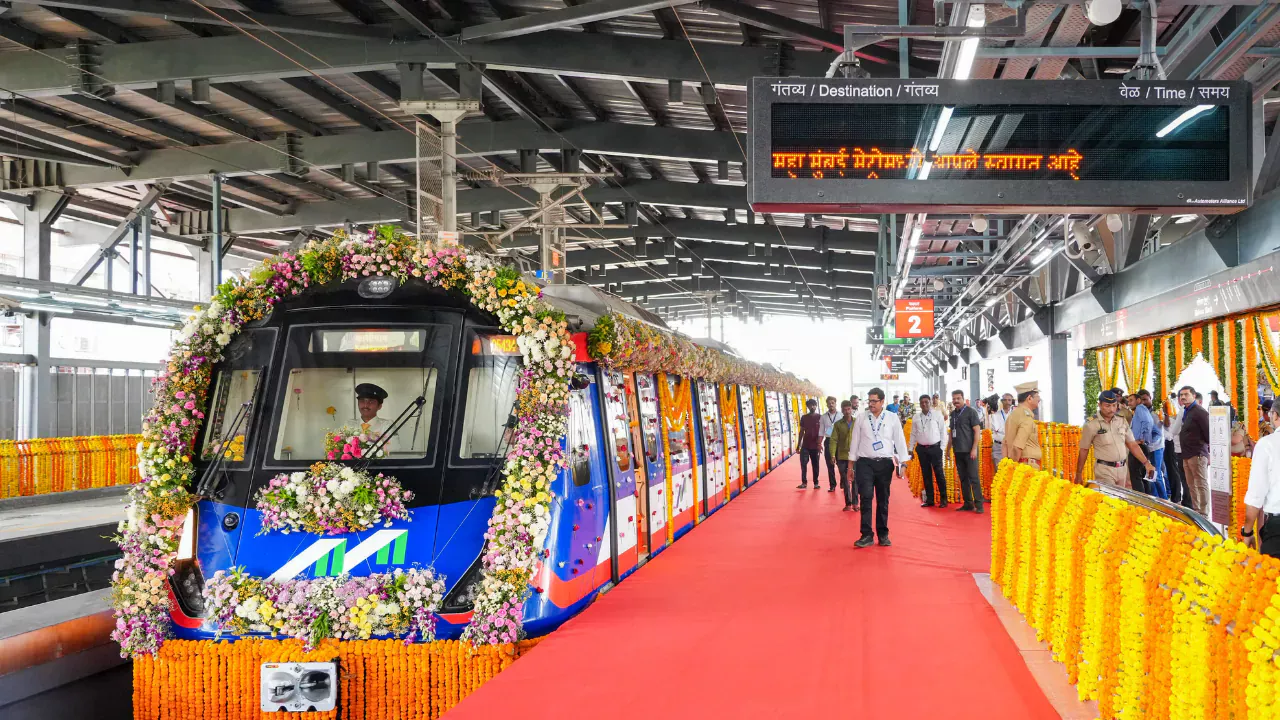
Mumbai’s expanding metro network is beginning to reshape commuting economics across the metropolitan region, with the launch of a new corridor linking the western suburbs to Mira-Bhayandar significantly reducing travel costs. The latest fare structure on the Mumbai Metro Line 9 corridor highlights a shift towards more affordable and predictable public transport options for daily commuters.
The newly operational stretch, now integrated with an existing east-west metro line, enables direct connectivity between Andheri and Kashigaon—two locations previously connected largely through congested road routes. For many commuters, this corridor has long meant extended travel times and high costs, especially during peak hours when fares for taxis and auto-rickshaws can surge considerably. With the introduction of metro services, the same journey can now be completed at a fraction of the cost, with fares structured to remain accessible across different distance slabs. Urban mobility experts point out that such pricing strategies are essential to encouraging a modal shift away from private and intermediate public transport, particularly in high-density corridors where road congestion remains a persistent challenge.
The integration of Mumbai Metro Line 9 with existing lines has also improved network efficiency by enabling seamless transfers within station premises. Key interchange points are emerging as critical nodes, allowing passengers to switch routes without exiting the paid area. While some journeys may require interchanges depending on the direction of travel, the system is designed to minimise inconvenience and maintain continuity. Operationally, the corridor is expected to run high-frequency services throughout the day, catering to both peak-hour demand and off-peak travel. Regular service intervals are likely to reduce waiting times and enhance reliability, a factor that often determines commuter preference in urban transport systems.
Beyond cost savings, the expansion has broader implications for urban development. Improved connectivity between Mumbai and its peripheral regions can influence residential and commercial patterns, making areas such as Mira-Bhayandar more accessible to the city’s workforce. Real estate analysts suggest that such connectivity upgrades often lead to increased demand in newly linked zones, while also easing pressure on central urban areas. From a sustainability perspective, the growth of metro infrastructure aligns with efforts to reduce vehicular emissions and promote cleaner modes of transport. By offering a viable alternative to road-based travel, metro systems can contribute to lower congestion and improved air quality over time.
However, experts caution that the success of the Mumbai Metro Line 9 corridor will depend on effective last-mile connectivity and integration with other transport modes. Feeder services, pedestrian access, and station area planning will play a key role in ensuring that the benefits of the metro network are fully realised. As Mumbai continues to expand its metro footprint, the focus is gradually shifting from infrastructure creation to user experience and affordability. The latest fare revisions signal an intent to make public transport not just faster, but also more inclusive and economically viable for the city’s diverse commuter base.
Mumbai Metro Offers Rs 50 Fare From Andheri To Kashigaon