


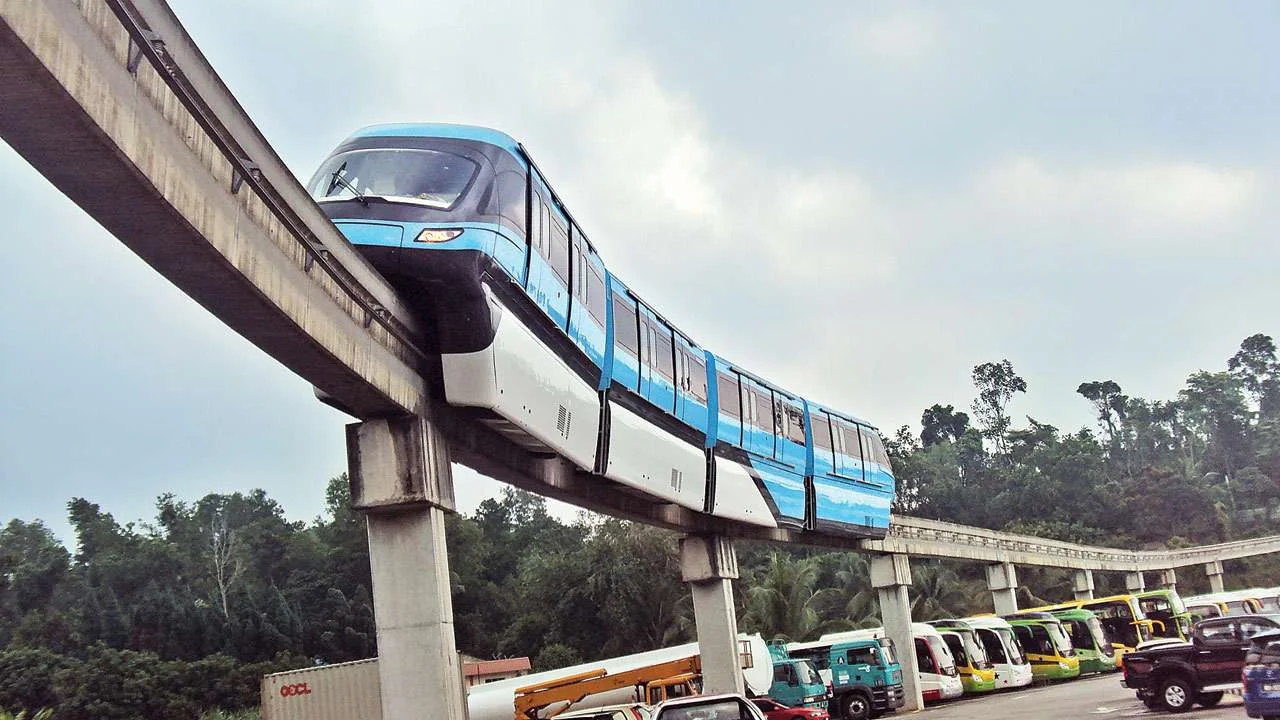
Mumbai’s elevated Metro corridors have reported a marked improvement in operational efficiency, with the operator of Lines 2A and 7 confirming a 13% reduction in energy consumption over a six-month period. The performance, recorded between April and September 2025, reflects the city’s broader push towards cleaner, cost-efficient public transport systems that support a more sustainable and equitable urban future.
According to internal assessments, the network used 40.49 million kilovolt-ampere hours during the review period, compared with 46.63 million units over the same months last year. This reduction delivered substantial financial relief, with electricity expenditure falling from ₹37.14 crore in 2024 to ₹24.34 crore in 2025—a drop that officials described as both operationally significant and environmentally meaningful. The improvement occurred despite the metro clocking more train-kilometres than the previous year, indicating that efficiency, rather than reduced service, drove the decline in energy use. Metro officials said the results demonstrate the value of sustained investment in smart technologies that reduce wastage without compromising passenger comfort. A senior operations specialist explained that upgraded lighting systems, automated escalators and demand-responsive air-conditioning have been central to the energy savings. Onboard regenerative braking—where trains recover kinetic energy during deceleration—further strengthened the network’s low-carbon performance, reducing the amount of electricity required for daily operations.
Energy consumption per kilometre has also dropped sharply, falling from 29.73 units to 23.99 units. Urban mobility experts note that such gains are critical for dense cities like Mumbai, where public transport must continuously absorb more users while keeping emissions and operating costs in check. They added that energy-efficient metro systems are essential for cities aiming to reduce dependence on fossil-fuel-driven mobility and shift towards net-zero pathways. Officials also emphasised the role of commuters in strengthening the network’s sustainability profile. Increased patronage, they said, validates ongoing investment in mass transit and helps accelerate the transition to cleaner mobility. “Every passenger who chooses the metro over private vehicles contributes to lower emissions and reduced energy intensity,” an official noted, describing sustainability as a joint effort between the operator and the city’s residents.
Industry observers view the corporation’s progress as part of a larger trend in Indian transit systems adopting greener, digitally optimised technologies. They suggest that such improvements not only support climate goals but also free up financial resources that can be redirected to service upgrades, accessibility improvements, and the expansion of inclusive mobility infrastructure. As Mumbai continues to densify, the ability of its transport systems to deliver high-quality service with lower environmental impact remains central to the city’s future. The metro’s latest performance signals that operational efficiency and sustainability can advance together—laying the groundwork for cleaner, more resilient urban mobility in the years ahead.
Also Read : ESIC Metro Station To Be Renamed Hare Ram Hare Krishna Amid Expansion Timelines
