


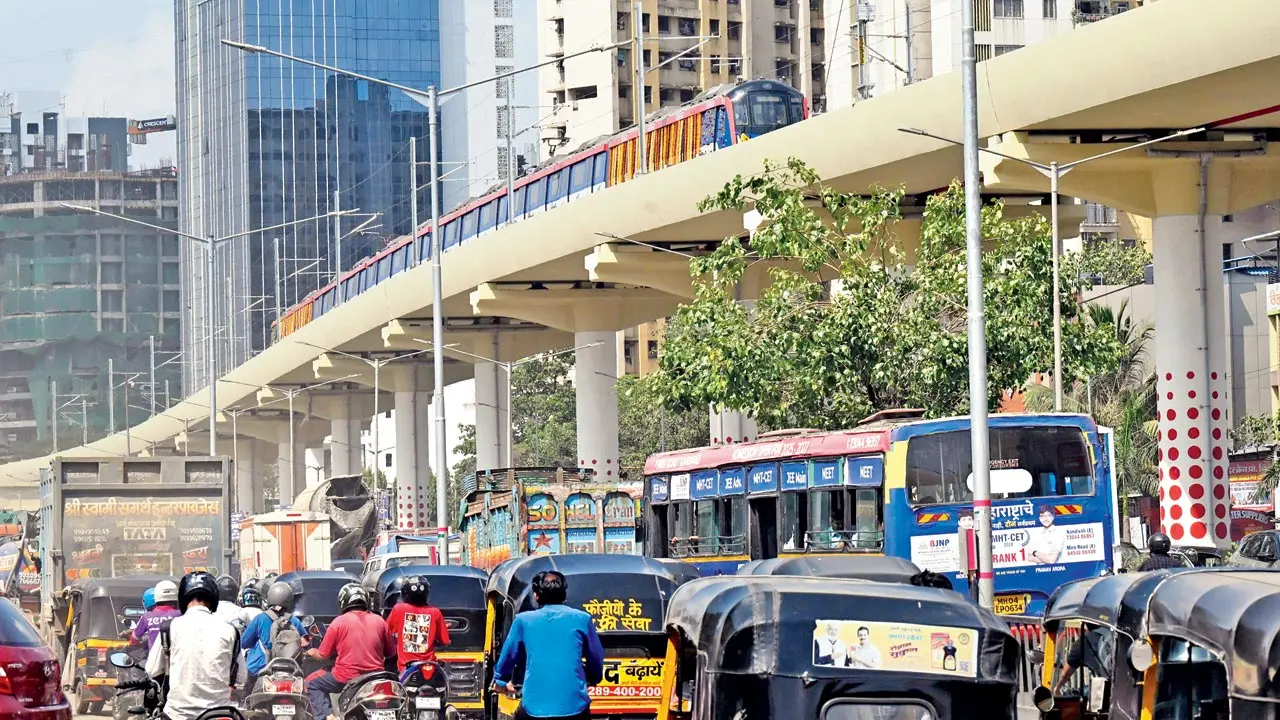
Mumbai’s mass transit system is set for a significant operational transformation as the Metro’s Red and Yellow lines prepare to function independently, marking the next phase in the city’s sustainable mobility plan. The move is expected to streamline services, enhance connectivity across key business and residential zones, and bolster Mumbai’s ambition to build a low-carbon, equitable transport ecosystem.
In the coming weeks, Metro Line 7 (Red Line) trains will run from Gundavli to Mira Road, while Line 2A (Yellow Line) services from DN Nagar will terminate at Dahisar East. This strategic separation aims to optimise frequency, reduce congestion, and create seamless interchange points for passengers traversing both corridors. Transport officials have confirmed that preparations and trial runs are underway at both ends of the network.
The city’s Metro system is witnessing simultaneous readiness on two fronts. At the western end, integration trials are in progress along the Red Line near Mira Road, while in the east, safety and system approvals for the Yellow Line 2B linking Mankhurd to Chembur are nearing completion. Once operational, the synchronised expansion will connect the eastern suburbs to the western corridor, offering commuters a continuous route from Mandale near Mankhurd to Mira Road via Dahisar.
A crucial part of this expansion lies in the creation of world-class depots to support the network’s long-term sustainability. The Red Line 7 will continue to be maintained at the Charkop depot in Malad, accommodating 22 rakes. Meanwhile, the Yellow Line 2A and 2B will operate from the newly developed Mandale depot, a 32-hectare state-of-the-art facility in the eastern suburbs designed to hold up to 72 trainsets. The Mandale depot incorporates energy-efficient systems, driver training simulators, and advanced maintenance infrastructure to ensure operational resilience and reduced carbon output.
According to officials, the Mandale facility is a vital step in creating a zero-emission public transport system, integrating modern technology with efficient land use. Built as a double-deck structure, it maximises urban space and reduces the city’s transport carbon footprint. The depot also includes a simulator centre for operator training, underscoring the Metro’s focus on safety, gender-neutral employment, and skill development.This Metro overhaul is not merely an engineering achievement it represents a strategic shift towards sustainable urban mobility. As Mumbai continues to battle road congestion and vehicular emissions, the expansion of its Metro network offers a practical, scalable solution for greener commuting. By synchronising east–west operations and decentralising depots, the system is poised to serve millions while supporting India’s broader climate goals. With the new lines nearing readiness, Mumbai is on the brink of a new transport era one that promises not only faster travel but also a cleaner, more equitable cityscape for all.
Also Read : Mumbai Pune Launches India First Electric Highway With Battery Swap Trucks
Mumbai Metro Lines 7 and 2A to Operate Separately for Expansion
