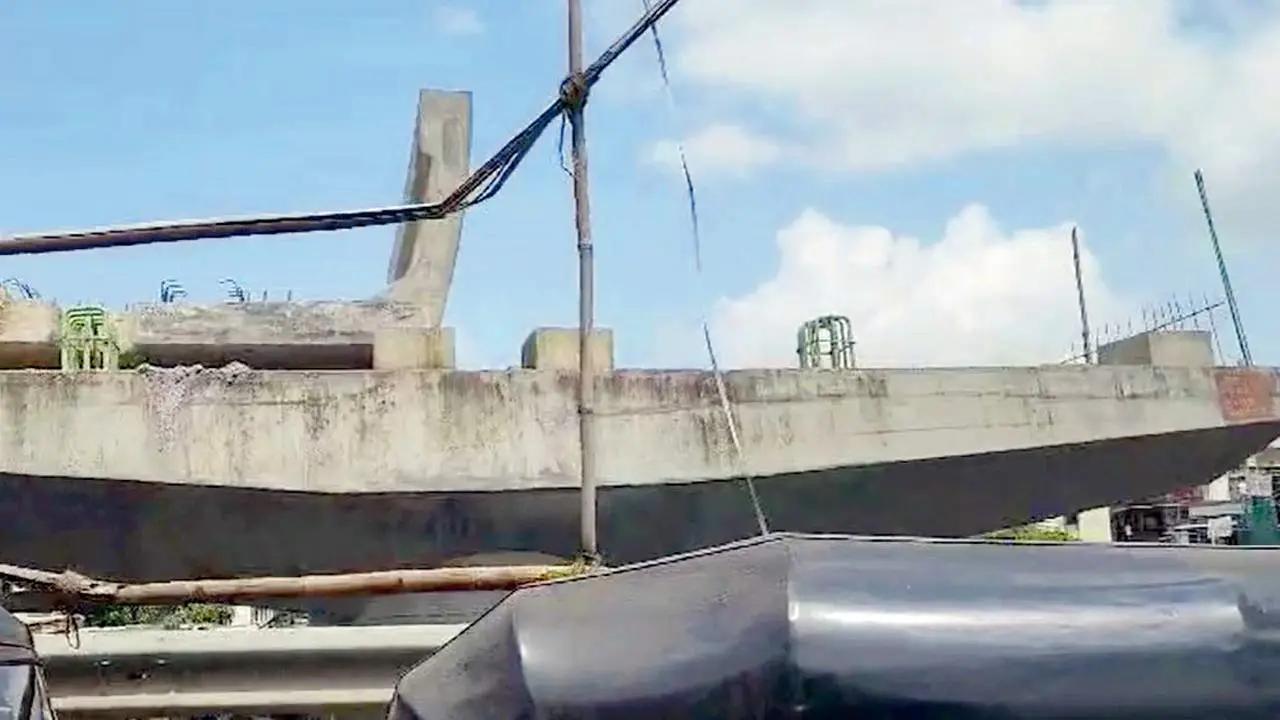
Construction on the east–west rapid transit corridor in Mumbai has crossed a critical engineering threshold, as a key viaduct segment was successfully positioned over a congested road-rail junction in Kurla. The milestone marks tangible progress on Mumbai Metro Line 2B, a project seen as central to easing pressure on some of the city’s most overcrowded travel corridors while supporting longer-term low-emission mobility goals.
The operation involved placing large precast concrete girders above the Halav Bridge, a location known for heavy traffic movement and constrained working conditions. Infrastructure experts say such launches are among the most complex stages of elevated metro construction, requiring night-time execution, temporary traffic management, and precise coordination to minimise disruption in dense urban settings. Line 2B is designed to create a continuous east–west connection between Mumbai’s western suburbs and its eastern employment hubs, including commercial districts, industrial zones, and residential clusters. Urban planners point out that this corridor has long lacked a reliable mass transit option, forcing commuters to depend on road-based travel that contributes to congestion, travel-time volatility, and transport-related emissions.
What makes the Kurla section particularly challenging is its proximity to aviation-sensitive zones and existing transport infrastructure. The limited vertical clearance between the metro viaduct and the road bridge below required customised structural solutions and tighter tolerances than typically seen on elevated corridors. According to engineers involved in similar projects, these constraints often dictate station design, pier height, and construction sequencing, increasing both technical risk and planning complexity. The project is being implemented by the Mumbai Metropolitan Region Development Authority, which has prioritised completing structurally complex sections before accelerating system-wide works. With foundations, piers, and adjoining viaduct spans now in place, the corridor is expected to move into track installation, power systems, and signalling phases in the coming months.
Beyond transport efficiency, Line 2B is also expected to influence land use and real estate patterns along its alignment. Connectivity improvements across Kurla, Chembur, and adjoining areas are likely to support more balanced job–housing distribution, reducing the need for long daily commutes. Urban economists note that such corridors can unlock economic opportunity in under-served neighbourhoods when paired with pedestrian access, feeder services, and last-mile planning. Local area improvements planned alongside the metro—including road widening and junction upgrades—are intended to manage transitional traffic pressures and enhance safety during peak periods and festivals. These complementary works, planners argue, are essential to ensure that large transit investments deliver benefits even before full commissioning.
Once operational, Mumbai Metro Line 2B is expected to significantly cut cross-city travel times, offering a dependable alternative to road travel for lakhs of daily commuters. As Mumbai continues to expand its rail-based transport network, the successful execution of complex sections like Kurla will be closely watched as a measure of the city’s ability to deliver resilient, people-first infrastructure at scale.
Mumbai Metro Line Two B Marks Key Construction Breakthrough