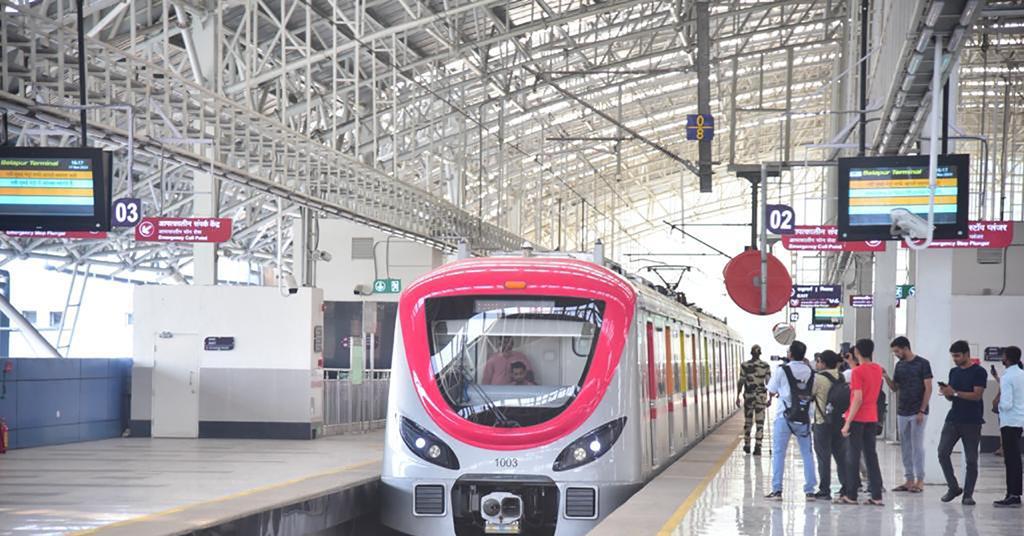
Mumbai Metro Line 8 Set to Transform Airport Access
Mumbai is set to transform its urban mobility landscape with the introduction of Metro Line 8, also known as the Gold Line. This ambitious project aims to seamlessly connect Chhatrapati Shivaji Maharaj International Airport (CSMIA) in Andheri to the upcoming Navi Mumbai International Airport (NMIA), spanning approximately 35 to 40 kilometres.
The initiative is poised to significantly enhance connectivity between Mumbai and Navi Mumbai, facilitating smoother travel for commuters and bolstering the region’s economic integration.
Strategic Importance and Development Model
The Maharashtra government has approved the construction of Metro Line 8 under the Public-Private Partnership (PPP) model, reflecting a strategic approach to infrastructure development. The City and Industrial Development Corporation (CIDCO) has been designated as the nodal agency responsible for preparing the Detailed Project Report (DPR), while the Mumbai Metropolitan Region Development Authority (MMRDA) will oversee the project’s implementation. This collaborative effort underscores the commitment to creating a world-class transit system that meets the needs of a rapidly growing metropolis.
Route, Design, and Stations
Metro Line 8 is designed to offer a blend of underground and elevated tracks, ensuring minimal disruption to existing urban structures. The route will commence at CSMIA Terminal 2 in Andheri, proceed underground to Chhedanagar in Chembur, and continue as an elevated line towards NMIA. The alignment will pass through key urban locations, including Kurla, Lokmanya Tilak Terminus (LTT), Mankhurd, Vashi, Nerul, and Belapur, integrating seamlessly with existing and proposed metro lines to provide comprehensive connectivity across the region.
The line is expected to feature approximately 20 stations, comprising both elevated and underground stops, strategically located to serve high-density areas and facilitate easy transfers to other modes of public transport. This extensive network will cater to an estimated daily ridership of up to 9 lakh passengers, reflecting the growing demand for efficient urban transit solutions.
Speed, Frequency, and Environmental Considerations
With a target operational speed of 90 km/h, Metro Line 8 is set to be faster than many existing metro services, offering reduced travel times between the two airports. The line will operate with a frequency of one train every 15 minutes, ensuring timely services for commuters. This high-frequency operation is expected to alleviate road congestion, reduce carbon emissions, and contribute to the city’s sustainability goals.
The project is estimated to cost around ₹15,000 crore, with completion anticipated by 2029. The development of Metro Line 8 aligns with Mumbai’s broader vision of creating zero-net carbon, eco-friendly, sustainable, gender-neutral, and equitable urban spaces, promoting inclusive growth and enhancing the quality of life for its residents.
Integration with Existing and Future Infrastructure
Metro Line 8 is designed to integrate seamlessly with Mumbai’s existing metro network and the proposed Navi Mumbai Metro, facilitating smooth transfers and enhancing the overall efficiency of the public transport system. The line will connect with Metro Line 7A at Andheri East, Metro Line 1 at Airport Road, and Metro Line 9 at Dahisar, providing comprehensive connectivity across the city and its suburbs.
Additionally, CIDCO plans to extend the operational Navi Mumbai Metro Line 1A from Belapur to NMIA, further enhancing connectivity and providing passengers with multiple transit options. The integration of these metro lines is expected to streamline travel across the Mumbai Metropolitan Region, reduce dependence on private vehicles, and contribute to the city’s sustainability objectives.