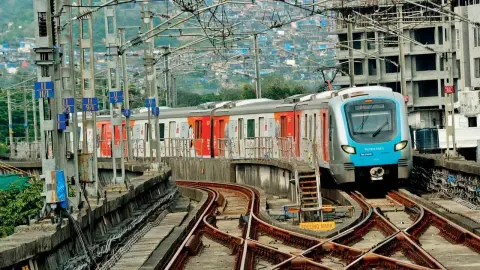
Mumbai’s Metro Line 7A — a key east‑west transit corridor to Chhatrapati Shivaji Maharaj International Airport — has achieved a pivotal engineering breakthrough with the successful diversion of a 2,400 mm Upper Vaitarana water pipeline, clearing a major utility constraint and accelerating construction progress. This strategic shift removes a longstanding obstruction along the airport alignment, enabling the project to maintain its delivery schedule and enhance connectivity for commuters and businesses alike.
The diversion, executed under the supervision of the Mumbai Metropolitan Region Development Authority (MMRDA), involved meticulous coordination across several civic departments, including the Brihanmumbai Municipal Corporation’s planning and hydraulic engineering divisions. Engineers worked within a limited shutdown window to reroute the crucial water main — which supplies significant parts of the city — restoring supply on time and without widespread disruption. Line 7A is designed as a 3.4 km extension of the existing Red Line metro corridor from Andheri (East) to the airport, combining elevated and underground sections that run alongside major road arteries such as the Western Express Highway and Sahar Elevated Road. Once complete, it will offer direct access to the international airport, currently served by a combination of local trains, taxis and feeder buses that contend with heavy traffic congestion.
Infrastructure planners say overcoming such utility challenges is intrinsic to delivering complex urban transit projects in dense metropolitan contexts. Water mains, sewage lines and power ducts often intersect with proposed alignments, necessitating careful rerouting to protect essential services while preventing costly delays. For Metro 7A, earlier utility relocations — including a significant sewer realignment through micro‑tunnelling — laid the groundwork for uninterrupted progress. Beyond engineering logistics, the utility diversion underscores the importance of cross‑agency collaboration in delivering transport infrastructure that meets both operational and civic priorities. Mumbai’s urban fabric — with intertwined transport networks, utilities and residential zones — demands such integrated planning to ensure public services remain stable during large‑scale construction.
Completion of Line 7A is expected to reshape mobility patterns for daily commuters and airport travellers. By plugging directly into the city’s broader metro network, it will reduce reliance on road‑based travel and ease surface congestion. Analysts also note potential environmental benefits, as shifting trips from road to rail can lower emissions and support climate‑aligned urban transit goals. However, experts caution that progress must be tempered with sustained attention to environmental compliance and construction impacts. Recent notices from civic authorities on air quality norms at some Metro 7A sites highlight the need for robust mitigation measures during earthworks and tunnelling phases.
As MMRDA moves toward subsequent milestones — including station finishes and systems integration testing — the focus will be on synchronising engineering achievements with clear operational timelines. For Mumbai’s commuters and businesses, the real payoff will come when the corridor opens and delivers seamless, resilient access to one of the city’s busiest transport gateways.