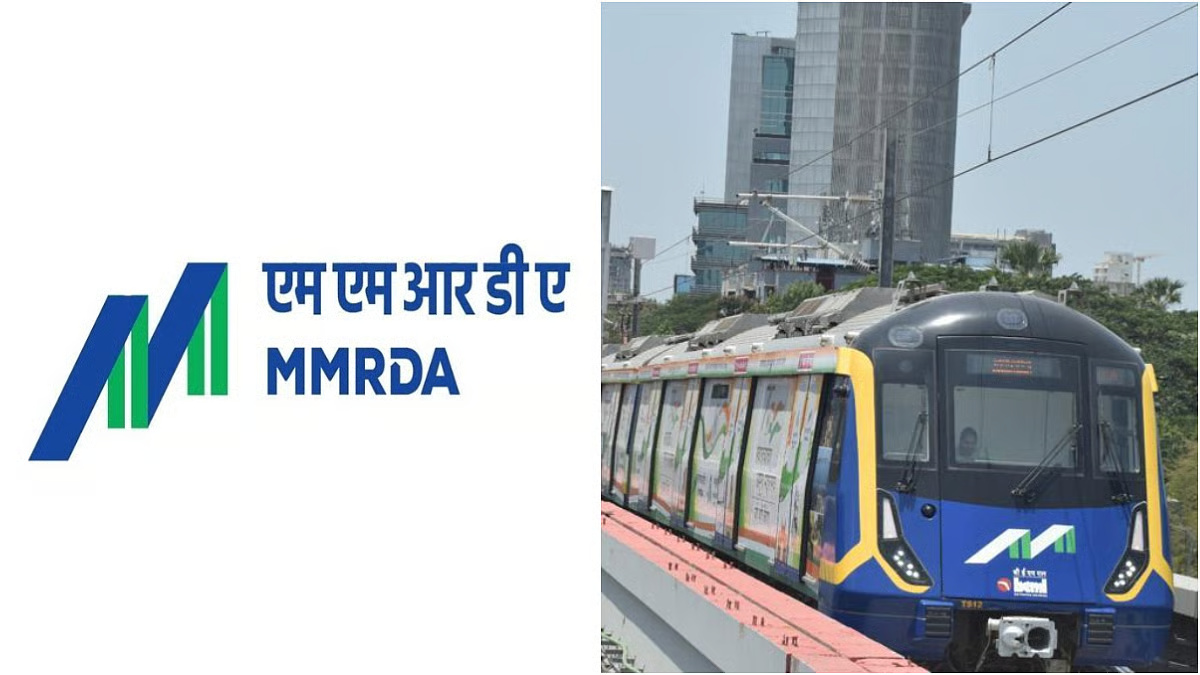
Mumbai’s long-awaited Metro Line 6 is now being positioned for a public launch in the second half of 2026, signalling a pragmatic shift in how large urban rail projects are delivered amid land and approval constraints. The east–west corridor, which will link Andheri’s western neighbourhoods with Vikhroli in the eastern suburbs, is expected to begin operations without a permanent car depot—an uncommon but increasingly discussed approach in dense global cities.
Officials overseeing the project confirmed that an interim maintenance solution is being developed near the Vikhroli end of the corridor. Instead of waiting for a full-scale depot, an elevated maintenance deck with multiple pit lines is under construction alongside a major arterial road. This facility will allow daily inspections, light servicing, and routine upkeep of metro trains, enabling operations to commence on schedule. Metro Line 6 spans over 15 kilometres and is designed to bridge a long-standing connectivity gap between Mumbai’s eastern and western suburbs. Urban mobility experts note that the corridor has the potential to significantly reduce travel time for commuters who currently depend on congested road networks or indirect rail routes. By enabling faster cross-city movement, the line is expected to support more balanced employment access and reduce pressure on the city’s north–south transport spine.
The decision to operate without a dedicated depot in the initial years stems from prolonged delays in securing land at a proposed site in the eastern suburbs. The land parcel, classified under environmentally sensitive categories, remains subject to multiple layers of regulatory clearance. Even after approvals, construction timelines would extend several years beyond the targeted operational date for the metro line. According to transport planners, the interim model reflects a broader rethinking of metro infrastructure in land-scarce cities. Smaller, decentralised maintenance facilities—combined with periodic access to an existing full-service depot elsewhere in the network—can reduce land consumption while maintaining operational safety. In this case, trains requiring heavy overhauls will be routed to an established depot on another line until the permanent facility is ready.
Sufficient rolling stock has already been planned to support initial services, with moderate train frequencies expected during the early phase of operations. Ridership demand is projected to rise steadily as feeder services, station-area development, and last-mile connectivity improve along the corridor. From a sustainability perspective, Metro Line 6 is seen as a key contributor to Mumbai’s climate resilience goals. By shifting daily trips from private vehicles to electric mass transit, the line could help cut local air pollution and transport-related emissions, particularly in densely populated neighbourhoods along its alignment.
As construction of stations, viaducts, and systems progresses, the success of this interim maintenance strategy will be closely watched. If executed effectively, it could offer a replicable model for accelerating metro launches in cities where land acquisition remains the single biggest bottleneck to public transport expansion.
Mumbai Metro Line 6 Advances With Interim Maintenance Plan