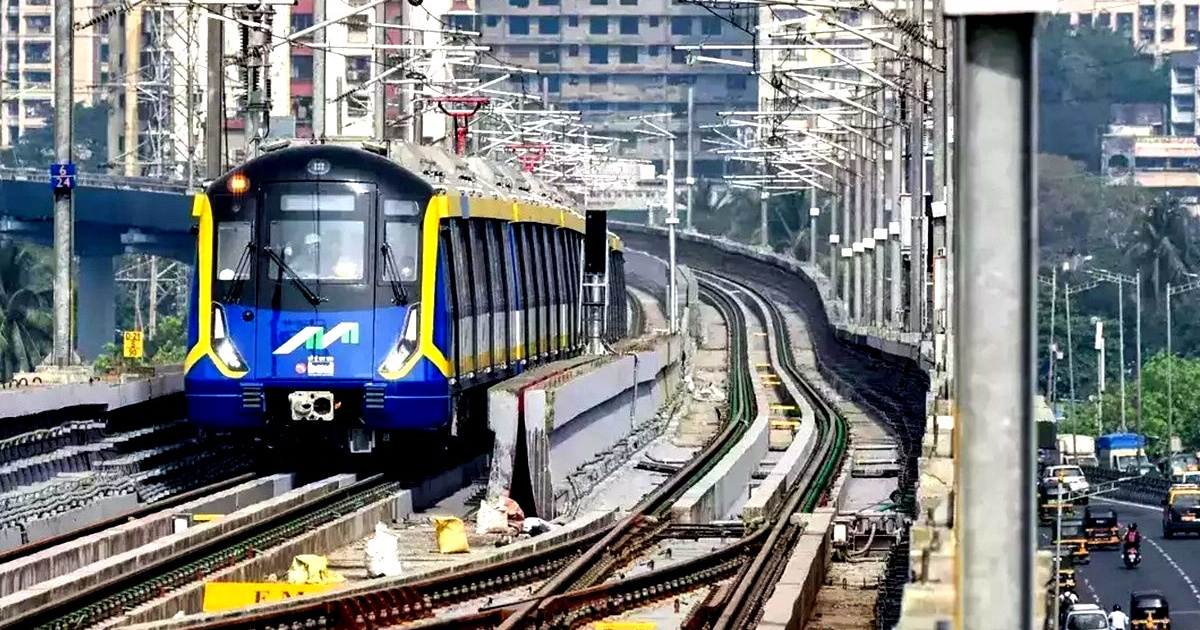
Mumbai Metro Line 4 Safety Audit Ordered After Mulund Collapse
A portion of the under-construction elevated structure for Mumbai Metro Line 4 unexpectedly collapsed onto one of the city’s busiest arterial roads in Mulund on February 14, killing one commuter and injuring several others — prompting the Mumbai Metropolitan Region Development Authority to initiate a comprehensive safety inspection across the entire metro corridor. The incident has reignited concerns about construction safety standards in one of India’s fastest expanding urban transit networks.
The section of elevated viaduct that failed was part of the Wadala–Kasarvadavali Metro Line 4 corridor, a major infrastructure project designed to enhance east-west connectivity across Mumbai’s suburbs and alleviate chronic road congestion. Early investigations suggest that a precast parapet segment had not been secured sufficiently after installation, leading to its dislodgement during daytime traffic.In response to the tragedy, the authority has directed a “special intensive safety inspection” that will examine structural and quality aspects of the entire Metro Line 4 alignment. This corridor-wide audit, expected to last three to four days, is significantly broader than the routine probe confined to the accident location. Teams of engineers and safety specialists will scrutinise parapets, edge beams, crash barriers, temporary supports, reinforcement detailing and other critical elements for compliance with design drawings, safety protocols and construction method statements.
The Mumbai Metropolitan Region Development Authority has also empowered inspection teams to take immediate action on the ground — including securing, removing or rectifying any component found to be unsafe, and restricting or temporarily halting work at risk-prone sites pending written clearance.Local police have registered a first information report for negligence, as preliminary findings indicate lapses by the contractor and the general consultant overseeing quality and supervision. Five individuals linked to the project have been arrested, and financial penalties have been levied by the authority to signal accountability for the failure.Urban transit analysts say the incident underlines the tensions between advancing rapid infrastructure expansion and maintaining rigorous safety and quality standards. Mumbai’s metro network — already in various stages of construction across multiple corridors — is central to the city’s long-term sustainable mobility plan, which aims to reduce emissions, ease congestion and connect underserved communities. Any erosion of public confidence in construction safety can have cascading effects on ridership uptake and broader support for future phases.
Community groups and commuters have also pointed to social media posts and local observations that indicated visible cracks and construction concerns prior to the collapse, raising serious questions about oversight effectiveness and early warning responses.For policymakers and project authorities, the next few weeks will be critical: the corridor inspection’s findings and corrective actions will not only determine when construction resumes safely but also shape future governance practices around urban transit infrastructure delivery. Enhanced transparency, independent quality assurance and community engagement may emerge as key priorities in rebalancing speed with safety for India’s megacity infrastructure programmes.