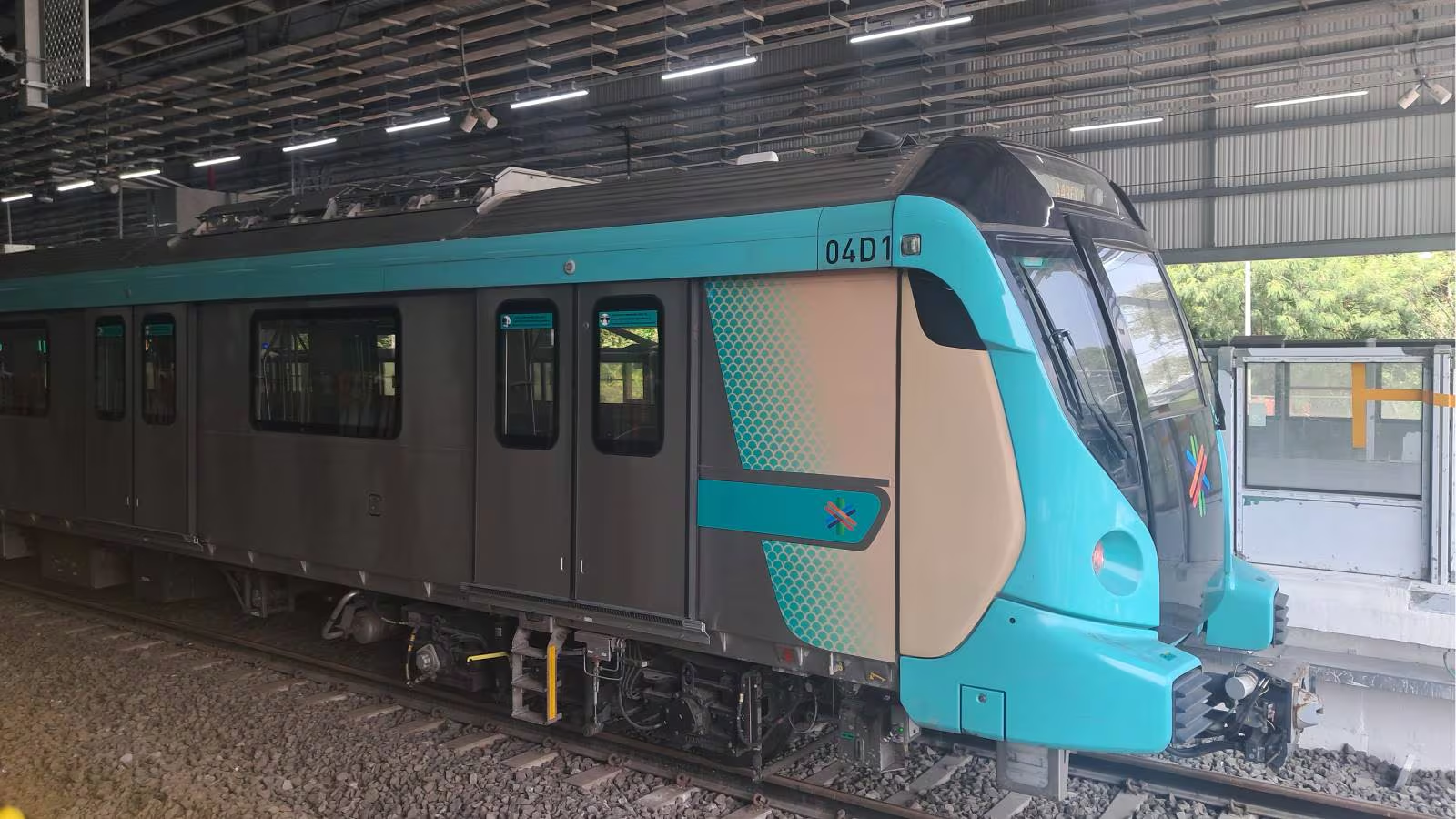
"Vision into Velocity": Aqua Line Success Redefines Mumbai's Urban Mobility Through Major Underground Projects
Mumbai’s ambitious underground Metro Line 3, stretching from Aarey’s JVLR to Cuffe Parade, is fast emerging as a lifeline for the city’s daily commuters. With over 1.5 lakh passengers travelling on the newly inaugurated corridor on its first day, the project has been hailed as a symbol of Mumbai’s modern mobility ambitions. However, a key missing link lack of internet connectivity inside the trains has sparked concern among commuters.
Despite the state-of-the-art infrastructure, passengers travelling on the 33.5-kilometre Aqua Line have found themselves disconnected once the train enters the underground section. While the internet works smoothly in the concourse areas across all 27 stations, there remains a complete signal blackout inside the moving coaches. This blackout has disrupted essential tasks such as making UPI payments, online ticket bookings, and even basic communication during emergencies, leading to widespread dissatisfaction.
Officials associated with the Mumbai Metro Rail Corporation Limited (MMRCL) confirmed that the issue lies in the integration between service providers and the existing fibre network laid along the route. They indicated that talks are in the final phase to ensure seamless data connectivity throughout the line. According to a senior MMRCL official, the technical adjustments and approvals are underway, and the service is expected to commence soon, restoring passenger confidence in the network’s efficiency.
The Mumbai Metro Line 3 project, built to decongest road traffic and reduce vehicular emissions, has been receiving an encouraging response from citizens. The fully underground design, connecting critical business and residential hubs, is considered a crucial step towards building a zero-carbon public transport system for the financial capital. Urban mobility experts have noted that digital connectivity within public transport is no longer a luxury but a basic requirement in a tech-driven city like Mumbai.
Transport analysts believe that ensuring stable mobile and internet access will enhance passenger convenience and operational efficiency. They emphasise that such advancements align with the city’s broader goal of fostering sustainable, equitable, and smart urban infrastructure. Improved connectivity is expected not only to boost ridership but also to promote cashless commuting and real-time travel updates, integral to future-ready transport systems.As the city prepares for the complete rollout of internet services along Metro Line 3, the move is expected to bridge the last-mile gap in passenger experience. For a metropolis striving to build inclusive, eco-friendly mobility, seamless digital access in the underground corridors will symbolise Mumbai’s growing commitment to a connected, sustainable urban future.