


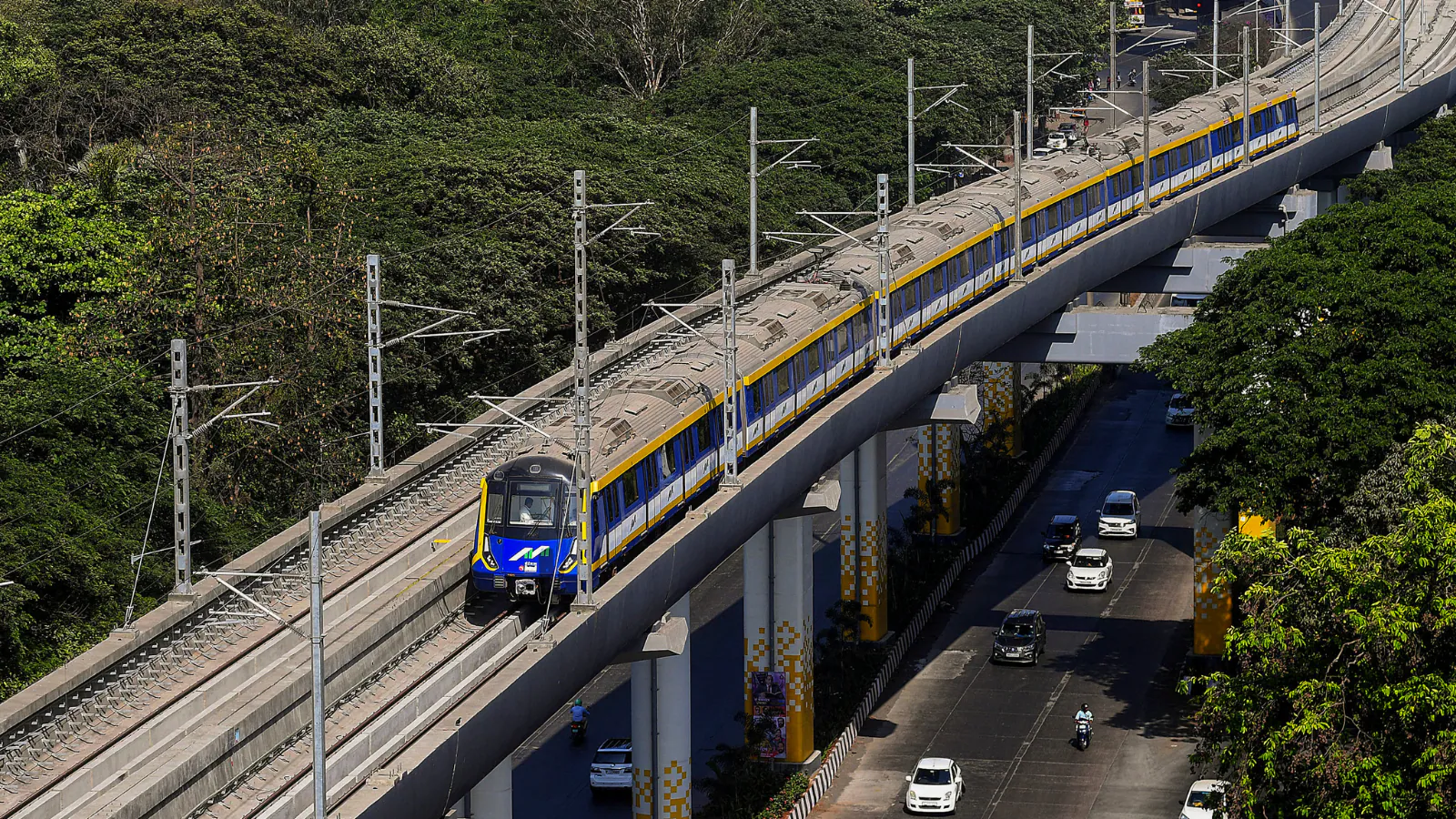
Mumbai is preparing for a landmark shift in urban mobility as Metro Line 3, the city’s first fully underground metro corridor, nears inauguration in October 2025. Spanning 34 kilometres from Aarey to Cuffe Parade with 27 stations, the project promises to redefine commuting by cutting travel time and offering safe, reliable, and eco-friendly transportation.
The Mumbai Metro Rail Corporation Limited (MMRCL) is spearheading the project with financial and technical backing from the Japan International Cooperation Agency (JICA). A loan of nearly USD 4.53 billion under Japan’s Official Development Assistance (ODA) reflects both the ambition and international collaboration behind this massive infrastructure initiative. Officials describe the line as one of the most complex urban transport projects undertaken in India. The all-underground line will allow commuters to bypass Mumbai’s traffic-congested roads, travelling from Cuffe Parade to the Domestic Airport in just 45 minutes. Compared with road travel, this saves more than an hour. The design of the corridor also ensures uninterrupted service during heavy monsoons, a recurring challenge for surface transport in the city.
The project carries a strong social inclusion agenda. Trains will have dedicated coaches for women, priority seating, and advanced CCTV surveillance to strengthen passenger safety. By encouraging public transit use, Line 3 is expected to reduce road congestion, cut vehicular emissions, and improve air quality across some of the most densely populated areas of Mumbai. Officials who recently inspected key stations, including Kalbadevi, Girgaon, and Vidhan Bhavan, stated that civil works are in their final phase and system integration will soon be tested. The opening of the Aqua Line, as it will be branded, is scheduled for October 8, 2025.
The significance of Line 3 extends beyond mobility. It represents a deepening of Indo–Japanese cooperation in infrastructure, building on earlier collaborations such as the Delhi–Mumbai Industrial Corridor and projects in the northeast. Experts highlight that the metro project demonstrates how financial partnerships and technology transfer can address urban India’s growing transport challenges while aligning with sustainability goals. By shifting thousands of commuters from private vehicles to mass rapid transit, Metro Line 3 is expected to substantially lower carbon emissions. This supports India’s broader climate targets while easing the pressure on Mumbai’s overburdened roads. Urban planners point out that integrating such metro systems is crucial for creating equitable, low-carbon cities where clean mobility is accessible to all.
When inaugurated, the line will symbolise more than an engineering achievement. It will mark Mumbai’s entry into a new era of underground, high-capacity, and climate-conscious transportation—one that blends international cooperation with local urban needs. For millions of commuters, it is set to redefine the daily rhythm of the city.
Also Read: Lucknow To Mumbai Rail Journey Eases With New Sleeper Vande Bharat Express Service
