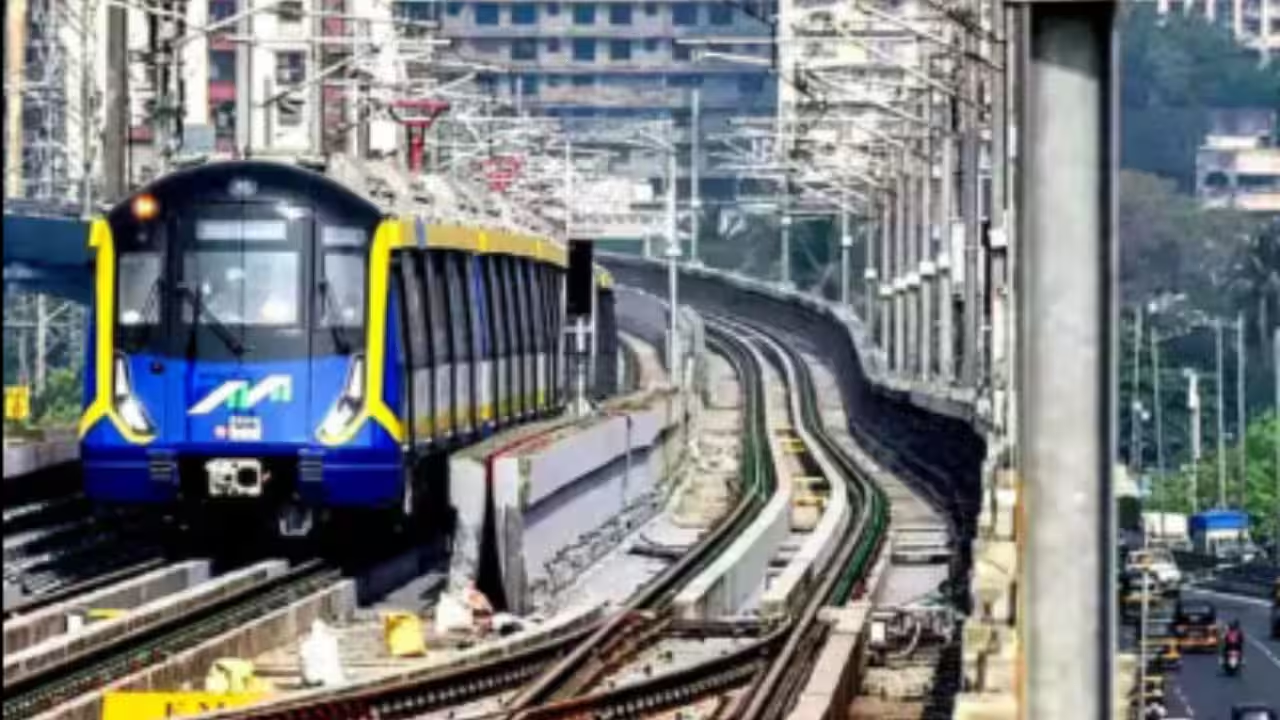
Mumbai Metro Line 3 Records Over 38 Lakh Commuters In October Month
Mumbai’s first underground metro corridor, the Aqua Line (Metro Line 3), recorded an impressive ridership of over 38 lakh passengers in October, signalling growing commuter trust and a shift toward more sustainable modes of urban transport.
According to data shared by the Mumbai Metro Rail Corporation (MMRC), the 33.5-kilometre corridor stretching from Cuffe Parade in South Mumbai to Aarey JVLR in the western suburbs registered a total footfall of 38.63 lakh passengers last month. Of this, 33.33 lakh commuters travelled in the 22 days following the line’s full opening on October 9, when it was inaugurated by the Prime Minister.
The rising usage underscores a crucial transformation in Mumbai’s public transport landscape. The Aqua Line, built entirely underground, links key business districts and residential zones, reducing surface congestion and improving travel reliability. “The consistent ridership growth reflects the corridor’s importance as a mass-transit backbone,” said an MMRC official.
The Aqua Line’s success is particularly noteworthy given Mumbai’s chronic road congestion and air pollution challenges. With journey times now significantly shorter between Cuffe Parade and Aarey, many commuters are beginning to prefer the metro over private vehicles or road-based transit. Experts note that if the current trend continues, the line could soon reach pre-pandemic suburban rail passenger volumes in specific sections.
Transport planners suggest that the metro’s popularity also mirrors a gradual shift toward low-carbon urban mobility. “Every additional metro rider means one fewer private vehicle on the road,” said a senior urban mobility expert. “This not only cuts emissions but also helps reclaim road space and improve air quality key components of a sustainable city strategy.” The MMRC is now focusing on improving last-mile connectivity around major interchange stations such as CSMT, Worli, and BKC, through partnerships with private bus aggregators and shared mobility operators. The aim is to make metro travel seamless across residential and business districts, aligning with Mumbai’s broader net-zero mobility goals.
While ridership has surged, the system’s integration with suburban rail, bus, and e-mobility networks is still evolving. Experts emphasise the need for unified ticketing, pedestrian-friendly station design, and reliable feeder services to ensure long-term commuter retention.Still, the early ridership success offers optimism. As Mumbai continues expanding its metro network eventually targeting a citywide grid of over 300 kilometres Metro Line 3 stands as a model for how sustainable infrastructure can reshape urban life in India’s financial capital.