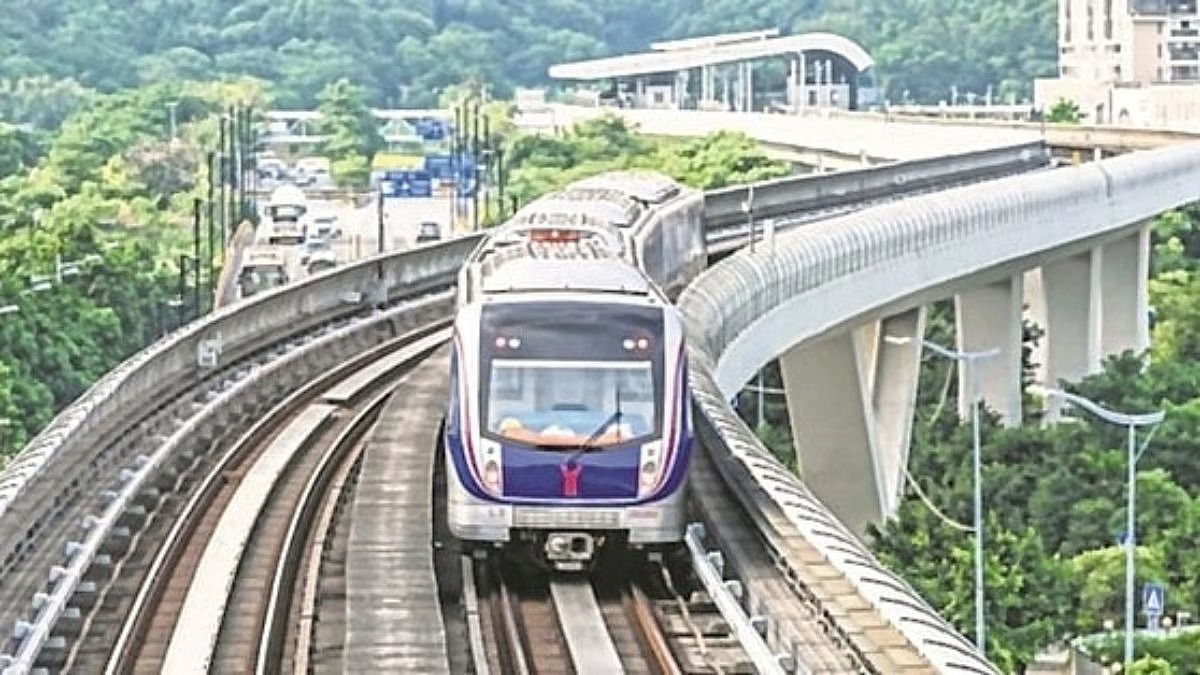
Mumbai Metro Line 11 is set for a major extension, with authorities approving a 6.9-kilometre addition from Dharavi to Bandra along the Wadala–Gateway corridor. The move, part of the 2026–27 state infrastructure budget, is projected to cost approximately ₹23,487 crore and aims to enhance east-west and north-south connectivity across Mumbai, linking residential suburbs to key commercial and historical districts.
The expanded line will now feature 19 stations, up from the originally planned 14, including new stops at Chunabhatti, Sion, central Dharavi, Bandra West, and Bandra Terminus. Transport officials highlight that this expansion will significantly reduce travel times for commuters from eastern Mumbai and Thane, enabling smoother access to South Mumbai, the Gateway of India precinct, and major business hubs. Urban planners note that the Dharavi interchange with Mumbai Metro Line 3 will create a seamless link for passengers travelling to Bandra-Kurla Complex and SEEPZ, while the Bandra West station will connect with Line 2B, further integrating the metro network. According to a senior transport official, such interconnections are crucial for easing pressure on existing road infrastructure and reducing private vehicle dependency, contributing to a lower carbon footprint for daily urban mobility.
The corridor extension reflects a broader strategy to modernise Mumbai’s mass transit system and accommodate rapid urbanisation. Experts indicate that incorporating Dharavi—a high-density residential and redevelopment zone—demonstrates a commitment to inclusive mobility planning, ensuring underserved communities gain improved access to efficient public transport. Economists also note potential uplift in local real estate markets, as enhanced connectivity often stimulates commercial activity and residential development along metro corridors. Environmental planners emphasise the benefits of underground metro expansion in reducing surface congestion, vehicular emissions, and associated air pollution. With Mumbai facing chronic traffic congestion, high population density, and environmental stress, integrated transit corridors like Line 11 are seen as critical components of a climate-resilient urban strategy.
Once completed, Metro Line 11 will directly connect the city’s eastern and southern districts, easing commuter flow, improving transport efficiency, and reinforcing Mumbai’s urban mobility infrastructure. Officials underscore that timely execution and careful planning, including adherence to safety and sustainability norms, will be essential to maximise the corridor’s long-term civic and environmental benefits.
Mumbai Metro Line 11 Expanded With New Dharavi Bandra Link