


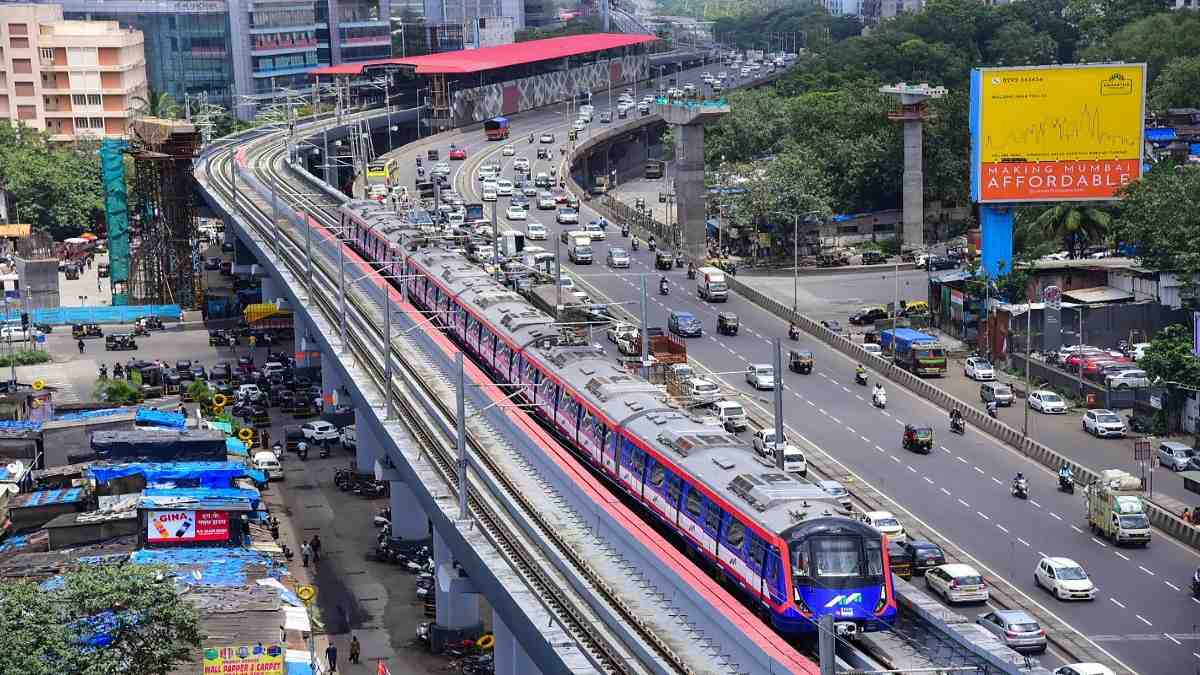
The Mumbai Metro Rail Corporation Ltd (MMRCL), in partnership with private operator Cityflo, has introduced special feeder bus services for commuters along the newly launched Metro Line 3, linking major stations such as CSMT, BKC, and Worli. The initiative aims to improve last-mile connectivity across dense urban corridors, but it has also reignited debate over the role of public versus private operators in Mumbai’s mobility ecosystem.
The feeder buses began operating this week to connect metro passengers to key business and residential districts. However, citizen groups and transport activists have questioned why the Brihanmumbai Electric Supply and Transport (BEST) undertaking—the city’s principal public bus operator—has not yet introduced parallel feeder routes. They argue that relying on private mobility providers risks creating a two-tier system that caters primarily to office commuters while overlooking lower- and middle-income riders. A senior official from BEST confirmed that a detailed week-long assessment is currently under way to study passenger movement patterns near Metro Line 3 stations. The data, the official said, will help the agency determine whether to introduce new feeder routes or extend existing ones to integrate better with the metro network. “We are reviewing demand points and will plan services that ensure both affordability and coverage,” the official added.
Urban transport experts note that seamless integration between metro and bus services remains a key challenge in Mumbai’s public mobility transition. While the Metro offers speed and comfort, its potential for large-scale adoption depends heavily on efficient, affordable, and well-coordinated last-mile solutions. Citizen representatives from groups advocating public transport equity criticised the growing dependence on private firms for urban mobility. They argued that BEST’s fleet should be central to feeder operations, ensuring fare parity and universal access. According to one expert, “A sustainable mobility system cannot rely solely on private operators. Public agencies must lead integration to guarantee inclusivity, environmental responsibility, and long-term affordability.”
BEST had previously experimented with a feeder route between Bandra East and the Bandra Kurla Complex (BKC), but it was discontinued due to low ridership. Officials now believe that commuter numbers may rise after the festive season as more office-goers return to workplaces, strengthening the case for a publicly managed feeder network. The ongoing discussion underscores the need for a coordinated, citizen-focused transport strategy that aligns Mumbai’s expanding metro system with its established bus infrastructure—ensuring that the city’s mobility future remains both sustainable and socially inclusive.
Also Read: Patel Retail Opens 47th Store in Palghar as Part of its MMR Expansion Strategy
