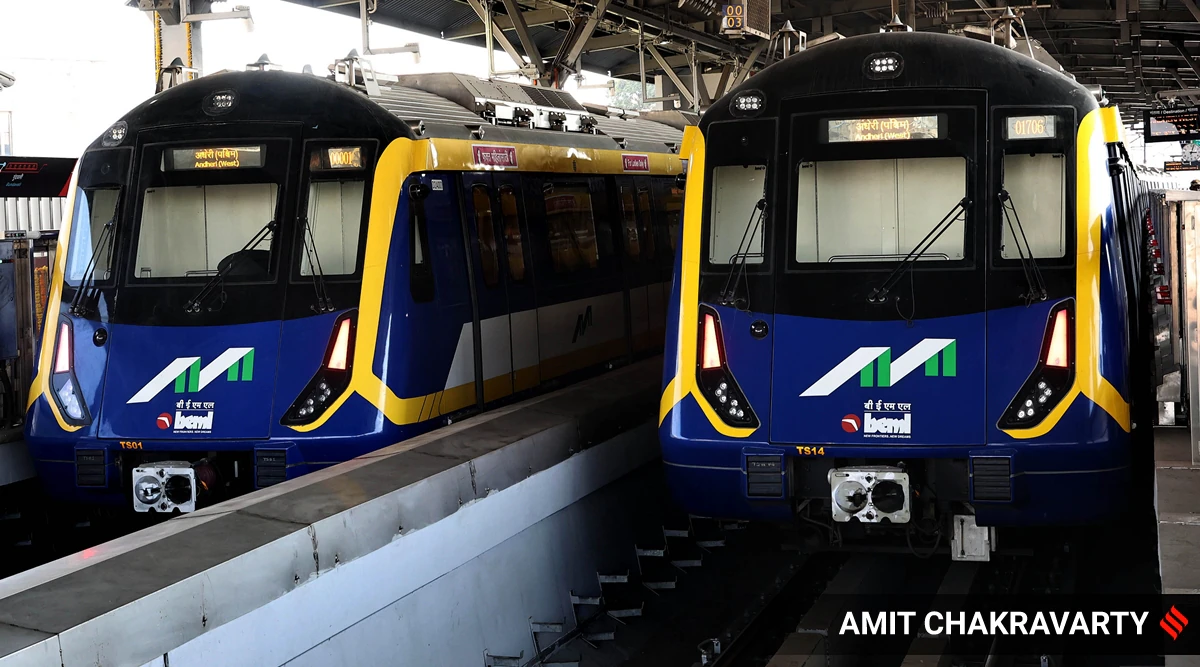
Mumbai Metro Extends Line 2A And 7 Services Till Midnight
The city’s metro services are preparing for a surge in festive travel with extended operations on Line 2A and Line 7 during the upcoming Ganpati celebrations. From 27 August to 6 September, both corridors will remain open until midnight, an hour later than the usual closing time, to support the massive commuter inflow expected during the 10-day festival.
Line 2A, popularly called the Yellow Line, links Dahisar East to Andheri West, while Line 7, or the Red Line, connects Dahisar East to Gundavali in Andheri East. Together, the two corridors form a lifeline for commuters navigating the city’s north-western belt, cutting through some of the most congested road stretches in Mumbai.
Officials from the metropolitan transport authority said the decision was prompted by the need to ease festival travel pressure, especially as millions of devotees move across the metropolis to visit pandals and participate in community gatherings. The last trains will now leave Andheri West and Gundavali at midnight, providing a critical mobility buffer for late-night commuters. During weekdays, the metro operator runs 317 services, maintaining peak-hour intervals of under six minutes, while weekend operations stand at 256 services with slightly longer gaps. For the festival period, trains will operate with increased frequency during peak hours and a uniform 10-minute headway on Sundays, ensuring smoother dispersal of large crowds.
Transport experts describe the move as a step towards sustainable mobility planning for mega-cities. By keeping the metro open longer, authorities aim to reduce dependence on private vehicles and taxis, thereby cutting traffic congestion and lowering carbon emissions at a time when air quality in the city tends to dip. The metro’s energy-efficient electric operations are seen as a more environmentally conscious alternative compared to additional fuel consumption by cars and two-wheelers. Officials have also underlined the safety dimension of the decision. With festival crowds often spilling late into the night, a reliable mass transit option is expected to minimise the risks associated with overcrowded roads, unregulated parking, and informal transport options. More importantly, it supports gender-sensitive travel by giving women and senior citizens a safer way home during late hours.
Urban planners note that the extended services reflect the city’s growing transition towards inclusive public mobility. By accommodating cultural and religious events within its transit planning, Mumbai is gradually shaping itself into a metropolis where civic infrastructure is synchronised with social needs. The upcoming extension is more than a logistical arrangement. It signals a long-term shift in how Indian cities are rethinking transport — focusing not only on convenience but also on sustainability, inclusivity, and resilience in urban life. For Mumbai, the late-night metro may well become a recurring feature, redefining the rhythm of a city that never sleeps.