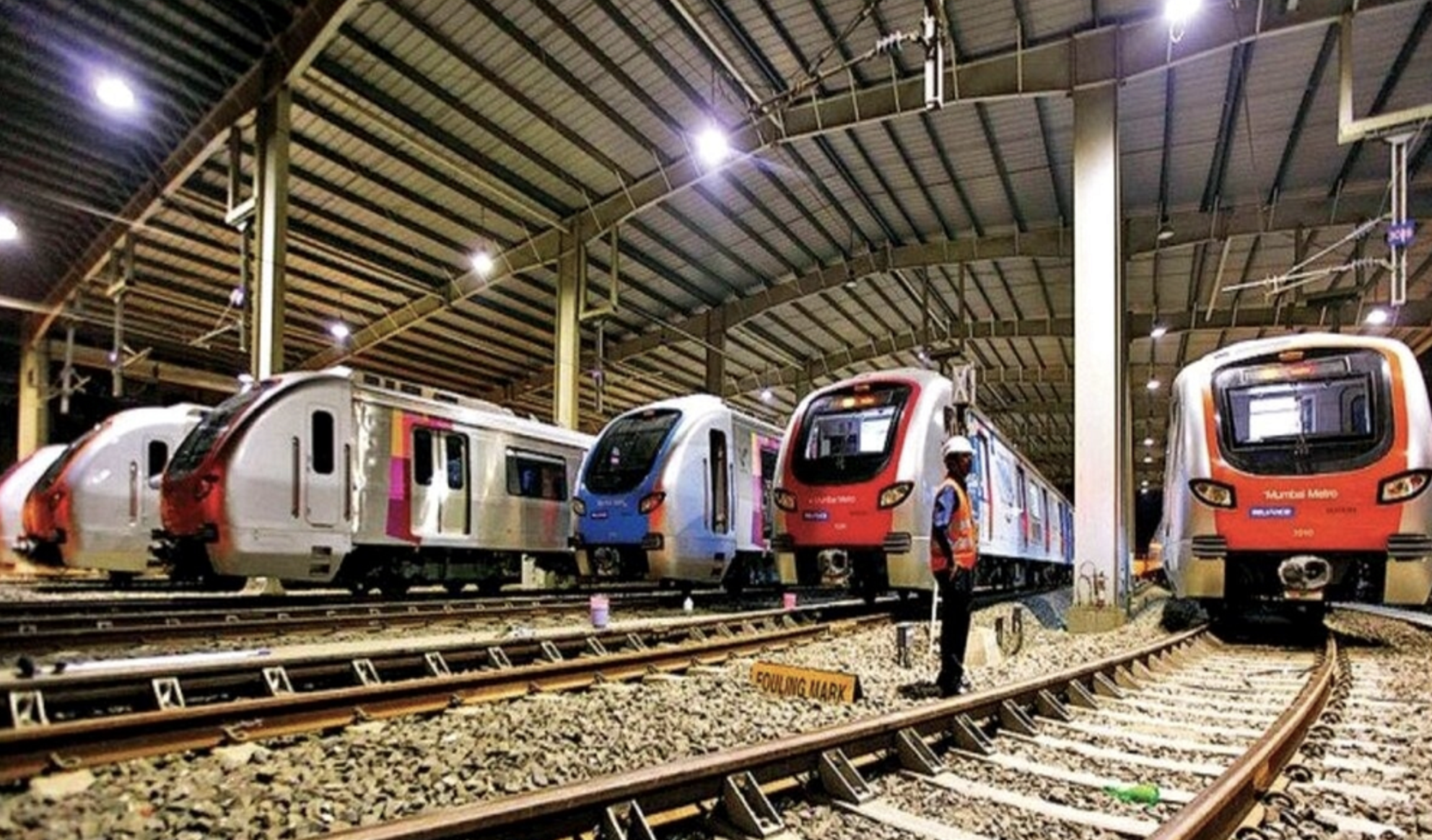
Mumbai’s rapid transit network is entering a decisive phase of expansion, with multiple metro corridors nearing readiness across the western suburbs and the Thane belt. The latest developments signal a coordinated push to address long-standing mobility gaps between peripheral residential clusters and employment hubs, an issue that has shaped travel behaviour, housing choices, and economic participation across the Mumbai Metropolitan Region.
One of the most consequential additions is Mumbai Metro Line 9, designed to extend rail-based mass transit into Mira Bhayandar, a fast-growing suburban zone with limited access to high-capacity public transport. The initial stretch, now undergoing safety validation and systems integration, will introduce several stations over a short but strategic distance. Urban transport planners say this link will significantly reduce dependency on road-based travel for residents who currently rely on overcrowded arterial routes to reach western Mumbai. Mumbai Metro Line 9 is also expected to improve network efficiency by enabling smoother interchanges with existing north–south corridors. Integration with other operational lines will allow commuters to transfer across routes without re-entering surface traffic, reducing overall travel time and improving predictability. For daily commuters, this shift could translate into more consistent access to jobs, education, and healthcare facilities.
Parallel progress is being made along the Thane–Mumbai corridor through the rollout of Mumbai Metro Lines 4 and 4A. These corridors are designed to serve densely populated eastern suburbs and emerging residential zones near Thane, areas that have seen rapid real estate growth without proportional public transport capacity. A phased opening plan is being pursued, with authorities prioritising segments that can immediately relieve pressure on road corridors connecting Thane and central Mumbai. Industry experts note that delays linked to station design complexity have highlighted the engineering challenges of building elevated metro infrastructure in tightly packed urban environments. However, the long-term impact of these corridors is expected to be substantial, particularly once the network extends deeper into eastern Mumbai. Improved east–west and north–south connectivity could rebalance travel patterns and reduce stress on suburban rail lines that currently carry the bulk of daily commuters.
Another critical link in Mumbai’s metro roadmap is Mumbai Metro Line 6, an east–west corridor intended to connect employment clusters in Andheri, Powai, and Kanjurmarg. By linking residential neighbourhoods with business districts and interchange hubs, the line is expected to support decentralised employment growth while cutting cross-city travel times. Urban planners emphasise that metro expansion is not just a transport story but a climate and equity intervention. High-capacity electric rail systems can lower per-capita emissions, reduce fuel consumption, and improve air quality if supported by last-mile connectivity and transit-oriented development. The coming years will test whether Mumbai can align its expanding metro footprint with walkable access, inclusive station design, and resilient infrastructure.
As new sections open incrementally, the focus will shift to operational reliability, network integration, and commuter adoption—factors that will ultimately determine whether Mumbai’s metro expansion delivers lasting urban transformation.
Mumbai Metro Expansion Reshapes Suburban Commutes