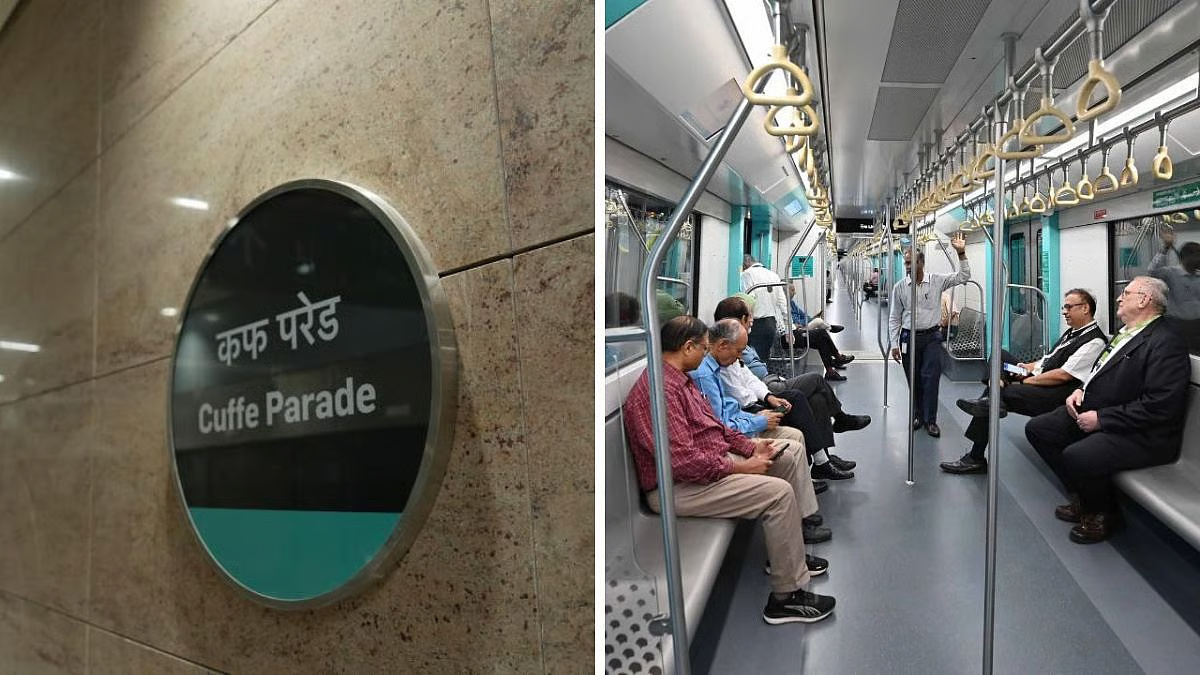
Mumbai’s Metro Aqua Line experienced a brief operational disruption on Tuesday morning after a train developed a technical fault at the Siddhivinayak station, slowing peak-hour movement on one of the city’s most crucial north–south corridors. Services were halted for around ten minutes before engineering teams rectified the issue, with operations returning gradually to the timetable. Although delays of five to ten minutes persisted for a short period, officials emphasised that the incident had minimal long-term impact on the wider network.
According to a senior official from the metro operator, the glitch emerged from an onboard system fault that triggered an automatic safety halt. While such interruptions are uncommon, they are built into metro operations to prevent any risk to passengers. The official noted that the response team “acted within protocol, isolated the fault, and cleared the section,” enabling trains to resume movement. The event underscores the importance of real-time monitoring systems that modern metro networks rely on for reliability and safety. The brief delay also highlighted the growing dependence on the Mumbai Metro Aqua Line as commuters increasingly choose mass transit over private vehicles. Transport planners argue that recurring congestion across Mumbai’s arterial roads makes rapid transit crucial for lowering emissions, reducing travel stress, and supporting the city’s long-term shift towards low-carbon mobility. Incidents like these, they say, reinforce the need for continuous investments in maintenance, digital diagnostics, and redundancy systems.
Even as the service disruption garnered attention, the metro operator recently rolled out a significant passenger-centric initiative: a 25 per cent fare concession for differently-abled commuters. Available through the MetroConnect-3 mobile application, the discounted digital passes can currently be accessed by iOS users, with the Android version awaiting platform approval. A senior spokesperson said the feature is part of a broader inclusion strategy aimed at making metro travel more accessible and affordable for those with mobility or sensory challenges. Once activated across platforms, the concession is expected to benefit thousands of commuters who rely on the Mumbai Metro Aqua Line for daily travel to work, education, and healthcare. Urban mobility experts note that fare inclusivity is a critical element of building equitable public transport networks, particularly in dense cities where physical and economic barriers often limit access for marginalised groups.
While the technical snag was temporary, it has sparked renewed discussion on the need for resilient infrastructure as Mumbai transitions to a metro-driven urban mobility system. Officials said additional diagnostic checks would be carried out across the fleet to ensure stability. The operator has also urged passengers to keep their apps updated for new features and notifications related to service conditions. The incident, though minor, is a reminder of the complexities of running a modern high-capacity transport system. As Mumbai expands its metro footprint, such events help refine operational protocols and reinforce the need for robust, inclusive, and sustainable mobility planning.
Mumbai Metro Aqua Line 3 Services Halted Briefly Following Sudden Technical Snag Today