


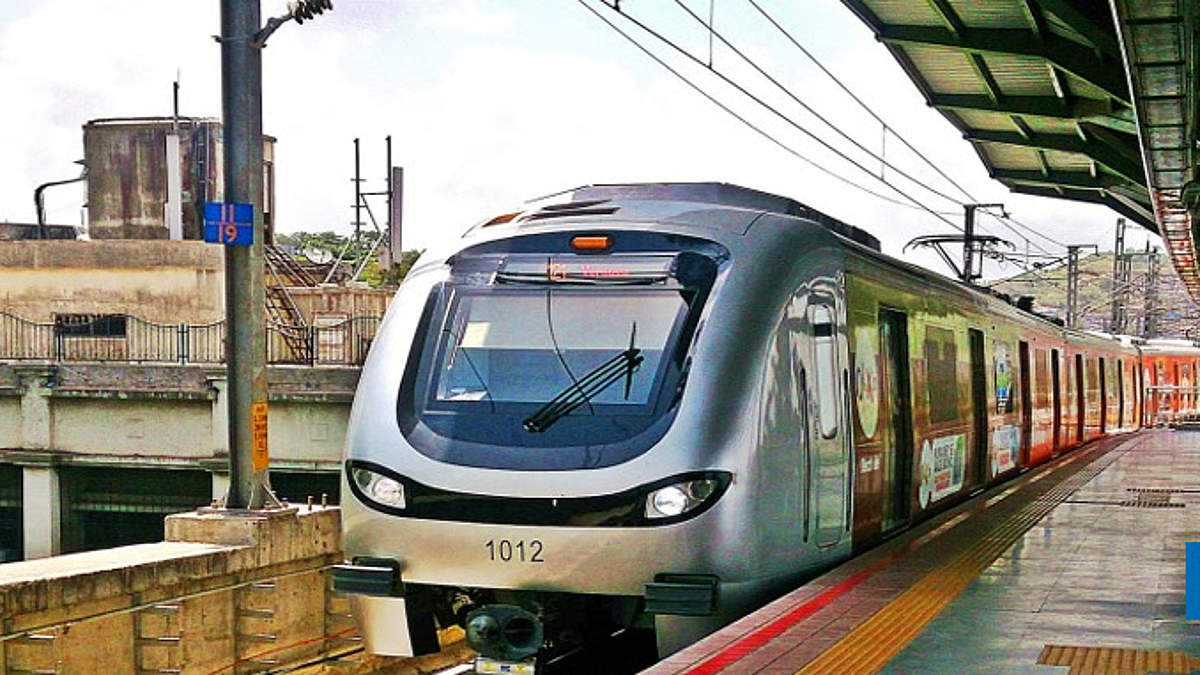
Mumbai’s northern suburban corridor is on the brink of a significant mobility upgrade, with the first operational stretch of Metro Line 9 nearing launch. The upcoming metro service is expected to alter daily travel patterns between Dahisar and Mira-Bhayandar, while triggering fresh momentum in residential and mixed-use real estate markets across the extended western edge of the Mumbai Metropolitan Region.
Metro Line 9, designed as a northward extension of the existing Red Line, is poised to introduce rapid transit access to neighbourhoods that have long depended on congested arterial roads and an overstretched suburban rail system. Transport officials have recently cleared the initial phase for passenger operations, setting the stage for services to begin on a limited section linking Dahisar with parts of Mira Road. Urban transport planners view the development as more than a mobility upgrade. Even partial metro connectivity in this belt is expected to compress commute times and reduce dependence on private vehicles, easing pressure on the Western Express Highway and feeder roads that routinely face peak-hour gridlock. For residents in northern suburbs, the metro offers predictability a critical factor shaping housing decisions in a region known for long-distance daily travel. The real estate sector has been quick to factor in the impact. Market observers report rising enquiry levels for projects located near proposed and operational stations, particularly in micro-markets that previously lacked direct mass rapid transit access. Developers are increasingly aligning new supply around walkable station zones, anticipating stronger buyer preference for transit-linked housing.
Industry representatives say the metro’s arrival strengthens confidence in the long-term viability of these suburbs as self-sustaining residential hubs rather than dormitory towns. Improved connectivity is expected to support denser, more compact development patterns, encouraging a mix of housing, retail and office spaces around transport nodes. Such transit-oriented development can reduce travel distances while supporting local employment generation. However, urban economists caution that infrastructure-led growth must be managed carefully. Without parallel investments in social infrastructure, water management and climate-resilient construction, rapid real estate expansion risks straining local systems. The Dahisar–Mira-Bhayandar belt is already facing challenges related to drainage, open space availability and last-mile connectivity issues that require coordinated planning alongside metro expansion. While the initial operational stretch represents only a fraction of the planned corridor, it marks a psychological turning point for the region. Each successive phase is expected to deepen integration with Mumbai’s wider metro grid, improving access to employment centres further south.
As Mumbai accelerates its shift towards rail-based urban mobility, Metro Line 9 will serve as a test case for how infrastructure investment reshapes peripheral growth. Its success will depend not just on ridership numbers, but on whether improved connectivity translates into more balanced, liveable and climate-conscious suburban development.
Also Read: Mumbai Kandivali Cluster Redevelopment Nears Takeoff
Mumbai Metro 9 Sparks Realty Shift North
