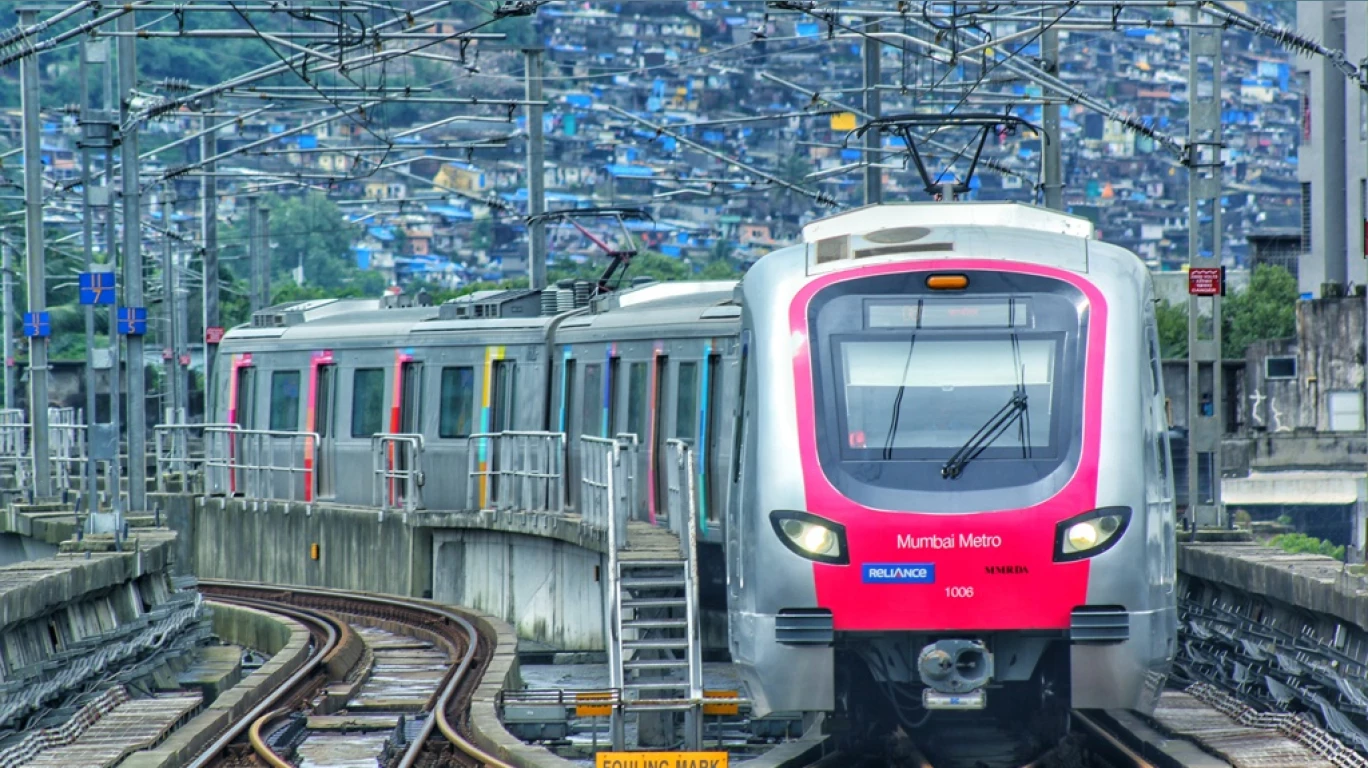
Mumbai Metro 9 First Phase Nears Clearance To Ease Congestion
Mumbai’s expanding rapid transit network is poised to deliver a critical boost to suburban mobility as the first phase of Metro 9, connecting Dahisar to Kashigaon on the northwestern fringe of the Mumbai Metropolitan Region, advances toward final safety clearance ahead of full operational rollout. The move, announced by the Mumbai Metropolitan Region Development Authority (MMRDA), comes after nearly seven years of construction and extensive trial runs, underscoring both the complexity of urban rail delivery and the pressing need for diversified commuter options in one of India’s most congested corridors.
Metro 9, part of the city’s broader metro expansion strategy, will eventually stretch from Dahisar to Mira-Bhayandar, threading the northern suburbs into Mumbai’s rapid transit fabric. The first operational stretch — Dahisar to Kashigaon — has completed most construction milestones, and trial runs have been conducted under the supervision of the Commissioner of Metro Rail Safety (CMRS), which has recommended minor technical adjustments prior to opening. Officials have reportedly begun implementing these enhancements while preparations for a formal inauguration advance.Once operational, this first phase will link seamlessly with Mumbai Metro Line 7 at Dahisar East, creating onward connectivity to major employment and residential hubs including Andheri and beyond. This integrated network design reflects a long-standing objective of Mumbai’s transport planners: to reduce dependency on congested highways — particularly the Western Express Highway (WEH), which serves as a lifeline for commuters between the northern suburbs and the city centre but suffers chronic traffic load.
Experts in urban mobility point out that metro corridors such as Line 9 not only expand travel choices but also help modulate travel times and reduce road traffic emissions. Reliable metro services are widely seen as key to encouraging commuters to shift away from private vehicles — a shift that would alleviate air pollution in fast-growing suburbs and support climate-responsive urban growth. The expectation that Metro 9 will take pressure off the WEH aligns with this broader planning objective.While the first phase’s progress is welcome, transport analysts note that full system benefits will only accrue when the second phase — extending from Kashigaon to Subhash Chandra Bose Maidan (Bhayandar West) — is completed. Integrated with planned interchange points for future lines such as Metro 10 and Metro 13, the corridor has the potential to knit peripheral zones into a cohesive transit grid that spans the MMR.
The line’s strategic significance is underscored by the years of preparatory work and infrastructure complexity. Metro 9 will be fully elevated along its corridor, with stations designed to facilitate interchange with other lines and promote a flexible, multi-modal transport network — a critical feature for megacities facing rapid population growth and intensifying mobility demands.For daily commuters based in Mira-Bhayandar and neighbouring communities, the opening of Metro 9’s first phase could trim travel times and broaden access to jobs, education and services across the metropolitan region. Yet achieving these gains will depend on efficient integration with last-mile networks and feeder services, complementing the core rail infrastructure that the MMRDA has been building incrementally over the past decade.