


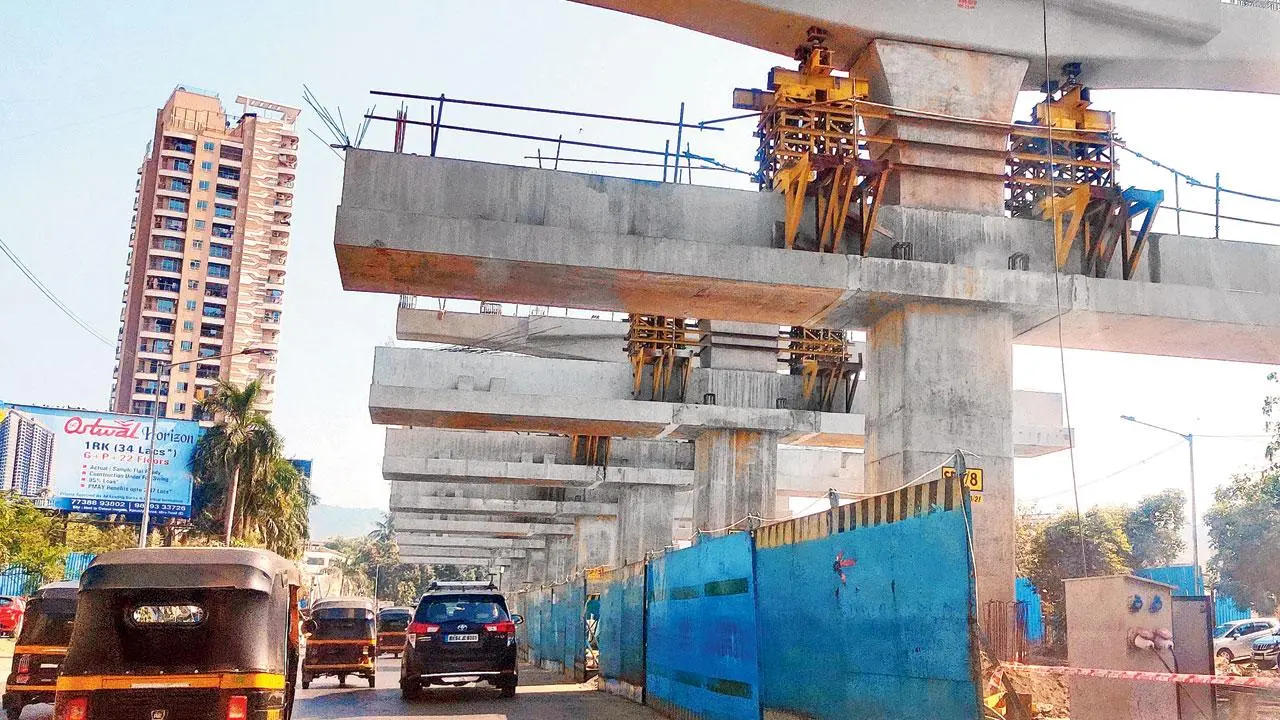
Thane’s ambitious Metro 4 and Ghodbunder Highway widening projects have come under scrutiny as transport experts and civic activists warn that recent design modifications could inflate costs and push back the metro’s scheduled launch. The concerns, raised during public discussions, focus on potential overlaps in planning and execution that may undermine the very goals of these high-investment urban infrastructure initiatives.
According to officials, the proposed changes involve creating a dedicated transport hub beneath eight metro stations along the Kapurbawdi–Gaimukh corridor, with the two extreme left lanes of the expanded highway reserved solely for public transport vehicles. While the idea aims to enhance connectivity and prioritise sustainable commuting, experts caution that it risks undoing key aspects of the Rs 600-crore highway project — which has already required extensive tree felling and the merging of service lanes.
Also Watch: An Exclusive Interview with Sanjeev Jaiswal (IAS), CEO MHADA
Urban transport specialists point to a critical planning lapse: the stairways of elevated metro stations are now set to land in the middle of the expanded highway, following the removal of medians and realignment of lanes. This, they say, reflects a lack of coordination between the agencies executing the metro and highway works, raising questions about design oversight and resource management. Environmental advocates have also criticised the potential wastage of public money and green cover, questioning why large-scale tree removal was approved if service lanes are to be reinstated. They argue that reversing completed works at this stage is both environmentally and economically unsound, particularly in a city already struggling to balance infrastructure growth with ecological preservation.
The transport ministry has defended the modifications as necessary to improve long-term commuter experience, suggesting that integrating highway and metro operations could reduce congestion and promote public transport use. However, professionals within the urban planning community warn that any such late-stage changes could derail timelines and add to costs, given the need to rework structural alignments and possibly acquire additional land. Civic voices have also expressed concern over transparency, urging greater public consultation before executing alterations that affect both urban mobility and environmental resources. They stress that sustainable infrastructure must prioritise efficiency, minimal ecological disruption, and clear cost accountability from the outset.
With Metro 4 envisioned as a key link in Mumbai Metropolitan Region’s public transport network, any delay could have ripple effects on regional connectivity and commuter patterns. For Ghodbunder Highway, already a critical arterial route, further construction disruptions risk aggravating traffic congestion in one of Thane’s busiest corridors. As these flagship projects progress, the debate underscores a familiar challenge in Indian urban development — balancing visionary transport goals with disciplined execution, ecological sensitivity, and public trust. The coming months will reveal whether coordination between agencies can bridge the current planning gaps without compromising timelines, budgets, or sustainability commitments.
Also Read: HC Orders Expert Committee To Review BMC Ban On Pigeon Feeding
Mumbai Metro 4 Launch May Be Pushed Due To Highway Modifications
