


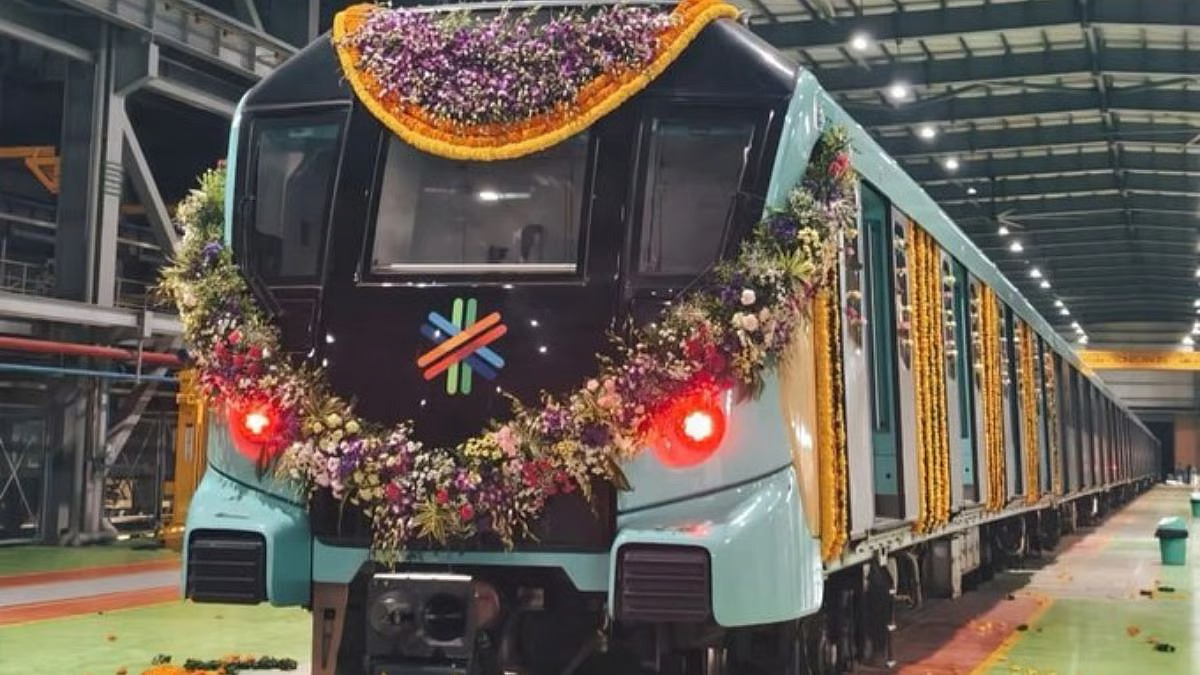
The Mumbai Metro Line 3, also known as the Aqua Line, is preparing to introduce a 25 percent fare discount on monthly trip passes for differently-abled passengers — a move described by officials as a step toward making the city’s urban mobility network more inclusive and accessible. The facility is expected to become operational within ten days, following essential updates to the metro’s digital ticketing system.
According to officials from the Mumbai Metro Rail Corporation (MMRC), this initiative reinforces the corporation’s broader strategy of promoting equitable public transport systems that ensure accessibility for all sections of society. The scheme aims to reduce the financial burden on differently-abled commuters while fostering inclusivity in Mumbai’s rapidly expanding metro network. The move follows the recent inauguration of the final phase of the 33.5 km Line 3 corridor, linking Aarey in the north to Cuffe Parade in south Mumbai. This fully underground line is being viewed as a transformative addition to Mumbai’s transit landscape, connecting key business districts, residential hubs, and transport nodes. The line is also equipped with accessibility-focused infrastructure, including lifts, ramps, tactile flooring, and audio-visual guidance systems.
Officials said the MMRC’s focus now extends beyond physical infrastructure to policies that enhance commuter equality. “This discount is not just a fare relief; it is a statement of inclusion. The MMRC intends to create a network where mobility is equitable, not exclusive,” an official said. However, the announcement has also sparked conversations among commuters about broader fare reforms. Many citizens have welcomed the move but suggested extending similar concessions to senior citizens, students, and regular office commuters. “The city’s transport policy must evolve to recognise different commuter needs,” said a transport expert, adding that inclusive fare structures are integral to achieving sustainable and equitable public mobility.
Some passengers have also flagged operational challenges on the new route, particularly around connectivity and accessibility. Commuters from the JVLR stretch and Marol Naka have pointed out the lack of seamless access routes and inconsistent lift operations at certain stations. Transport planners have acknowledged these gaps, stating that last-mile connectivity is one of the key priorities for the next phase of Metro 3’s integration plan. The MMRC has maintained that regular system upgrades, passenger feedback, and accessibility audits will continue as part of its inclusive mobility initiative. The fare structure — ranging from ₹10 to ₹70 per trip — will remain unchanged for regular commuters, with this new concession tailored specifically for differently-abled passengers using the monthly pass option.
With train services operating from 5:55 am to 10:30 pm at five to eight-minute intervals, Line 3 has significantly eased north–south travel, reducing journey times and offering a reliable, eco-friendly alternative to road transport. The upcoming concession for differently-abled passengers aligns with Mumbai’s vision of building a sustainable, inclusive, and human-centred public transport ecosystem.
Also Read: Mumbai Central Railway To Extend Thane Platforms For 15 Coach Locals By 2025
