


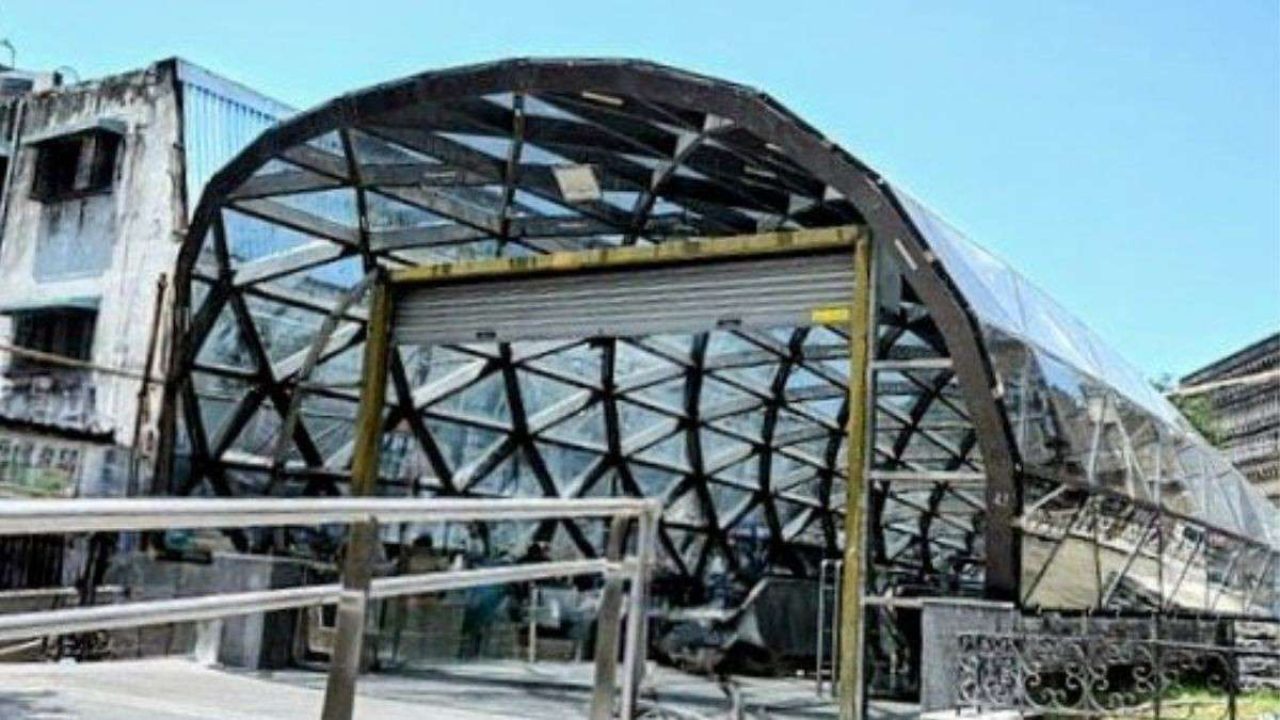
Mumbai is inching closer to a transformative mobility upgrade as the final stretch of Metro Line 3, also known as the Aqua Line, moves towards completion. Designed as a fully underground network, the line will connect the city’s most critical business, residential, and transport hubs, promising to halve travel times while providing a cleaner, more sustainable commuting option for millions.
The project, one of India’s most ambitious metro undertakings, has been executed in three phases. The first, from Aarey Colony to Bandra-Kurla Complex (BKC), was inaugurated in October 2024 with ten stations including airport terminals, Andheri, SEEPZ, and BKC. The second phase, opened in May 2025, added a 9.8-kilometre stretch linking BKC to Worli with six stations strategically placed to serve major employment and cultural centres. Together, these two sections have already reshaped urban travel for a significant portion of commuters. The final phase, extending from Worli to Cuffe Parade, is now in advanced stages of construction and is expected to be operational by August 2025. This segment includes some of Mumbai’s busiest transit interchanges and commercial hotspots such as Mahalaxmi, Mumbai Central, Churchgate, and CSMT. Once commissioned, the 33.5-kilometre line will offer uninterrupted travel from Aarey to Cuffe Parade in just 60 minutes, compared to the two to three hours often endured on congested roads.
Transport experts underline that Metro Line 3 is not merely a mobility project but also a climate-conscious investment. Its underground design avoids the challenges of surface congestion and monsoon flooding while significantly reducing vehicular dependence. Officials project that with trains operating every six to seven minutes during peak hours, the system will offer both reliability and predictability—two factors that Mumbai’s daily commuters have long been deprived of. For officegoers, the benefits are immediate and tangible. A trip from BKC to Worli, which currently takes up to an hour by road during peak traffic, will be cut down to just 15 minutes. Similarly, travel from Andheri to Cuffe Parade will be completed in under 50 minutes—nearly half the time taken by road. Direct access to airport terminals and major railway interchanges ensures that the metro is seamlessly integrated with the city’s broader transport network.
Urban planners emphasise that Metro Line 3 goes beyond easing congestion. By providing a reliable, affordable, and eco-friendly alternative, it brings inclusivity to public transport. Students, professionals, and service workers across the city will now be able to travel efficiently without depending on multiple modes of transport. This democratisation of mobility aligns closely with Mumbai’s goals of becoming a more equitable and sustainable metropolis. As the city prepares for the final commissioning of the Aqua Line, expectations are high that the project will serve as a blueprint for integrating sustainable mobility with economic growth. For a city that has long struggled with overcrowded roads and overburdened suburban trains, Metro Line 3 stands out as a critical step in redefining how Mumbai moves.
Also Read : Navi Mumbai Metro Records 43 Lakh Journeys Strengthening Smart Urban Connectivity
