


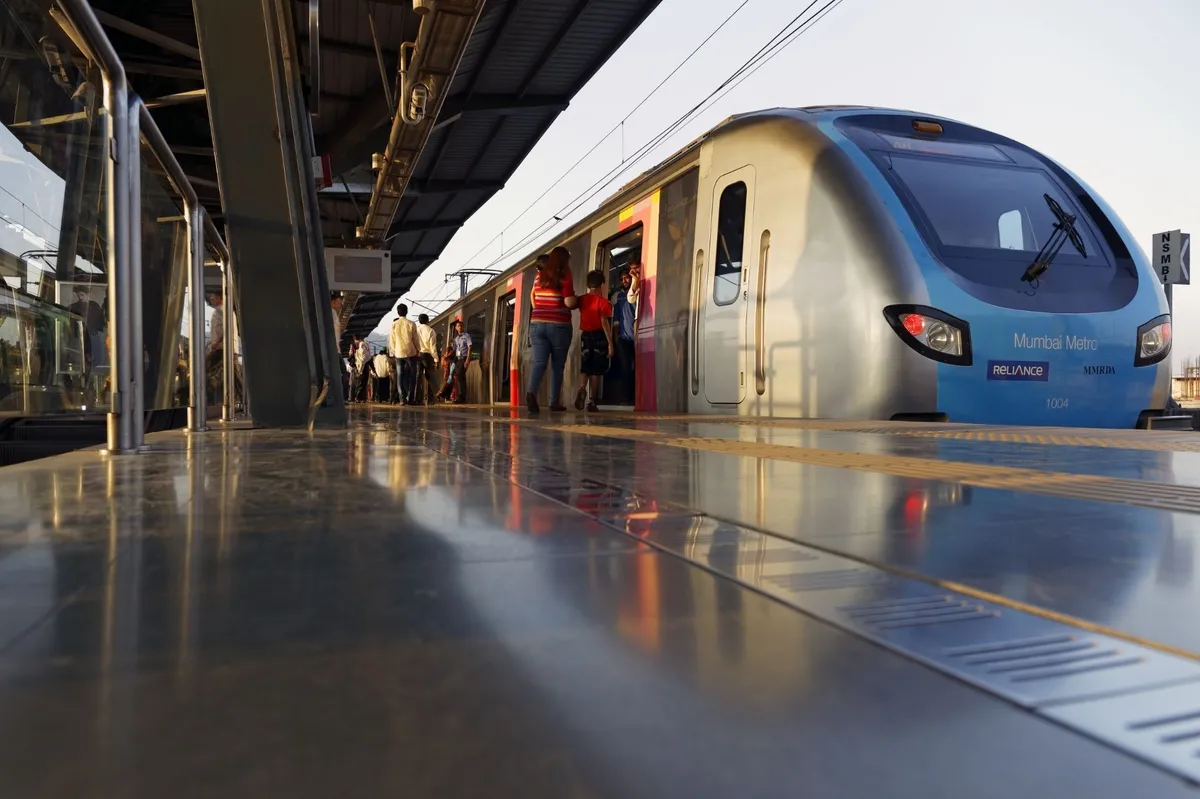
Mumbai is set to redefine the commuter experience on its underground transit system with the upcoming addition of retail outlets, restaurants, lounges, and workspaces at two key Metro 3 stations—Kotak-BKC and CSMIA-T2. As passenger volumes increase significantly along this newly operational section, the Mumbai Metro Rail Corporation Limited (MMRCL) is adopting an integrated approach to station development that combines convenience, commerce, and commuter engagement.
The initiative follows a strategic partnership between MMRCL and India Retail Hub Private Limited (IRHPL), a retail development firm with a proven track record in airport and travel hub commercialisation. The partnership will see the deployment of over 32,000 square feet of commercial space across 35 locations within the two metro stations, transforming these high-traffic hubs into dynamic lifestyle destinations. This commercial push comes at a pivotal moment. Since the BKC to Acharya Atre Chowk stretch of Metro 3 was inaugurated on May 10, weekday ridership has jumped by 114%. Daily footfall figures have surged from an average of 24,500 commuters to over 52,600, with recent days reporting passenger flows between 54,000 and 60,000. The growth demonstrates the increasing reliance on metro infrastructure in Mumbai and the opportunity for enhancing non-fare revenue sources.
Officials from MMRCL described the commercial expansion as a “turning point in urban transit,” noting that the presence of food zones, brand outlets, lounges, and offices within stations will not only boost revenues but improve the overall passenger journey. The goal is to replicate the seamless experience offered by world-class metro systems and airports across major global cities. IRHPL, known for managing retail operations in eight major Indian airports, will leverage its dual strategy of partnering with global brands and building in-house labels. Global names such as US Polo, Samsonite, Skechers, and Hidesign are expected to set up shop, alongside IRHPL’s own concepts like Artport, Toycraft, and Neo Travel. Popular food brands like KFC and Pizza Hut are also slated to be part of the offerings, alongside curated lounge services that elevate the station experience beyond mere transit.
Urban transport analysts point to a broader trend: transport hubs evolving into holistic urban ecosystems. By blending transit with lifestyle and commerce, metro stations become more than entry and exit points; they become vibrant community spaces. This model has been successfully implemented in cities such as Hong Kong, Singapore, and London, and now finds a place in Mumbai’s growing infrastructure strategy. The move is also expected to unlock significant non-fare revenue potential for MMRCL, a critical aspect for long-term operational sustainability. Traditionally, metro systems have struggled with revenue generation, often relying heavily on ticket sales and government subsidies. Commercial leasing within stations opens up a viable secondary stream of income, one that grows with ridership and improves resilience against fare-dependent fluctuations.
Infrastructure experts also emphasise the importance of smart station planning in supporting sustainable urban development. With Mumbai facing persistent space constraints, utilising underground and transit-adjacent spaces for retail and services ensures that the urban core remains accessible and efficient. The decision to activate commercial zones within transit corridors helps decentralise shopping and workspaces, reducing the burden on congested surface roads. According to officials, the commercial rollout is being calibrated to enhance, not obstruct, commuter movement. Layouts have been designed to preserve the smooth flow of foot traffic while offering commuters easy access to daily essentials, dining, and waiting lounges. Additionally, the rollout is expected to prioritise inclusive access, with a focus on gender-neutral facilities, accessibility for people with disabilities, and environmentally sustainable retail design.
This development aligns with Mumbai’s broader vision of creating low-carbon, resilient urban infrastructure. By promoting metro travel through improved convenience and lifestyle offerings, city planners aim to shift more daily commuters from private vehicles to public transport. The inclusion of amenities is expected to increase dwell time at stations, making public transit not just a necessity but a preferred mode of city travel. The Metro 3 corridor, which connects key commercial and transport hubs including the airport and BKC, is emerging as a critical lifeline for south-north connectivity in Mumbai. The stations selected for retail integration were chosen based on their potential footfall, nodal importance, and surrounding economic activity. Both stations are anticipated to serve thousands of commuters daily, with retail functioning as a complement to the essential mobility services provided.
As MMRCL and IRHPL progress with the rollout, both entities are expected to adopt a phased implementation strategy, refining commercial plans based on commuter behaviour and operational feedback. Stakeholder engagement, feedback loops, and environmental monitoring will be part of the ongoing process to ensure the development remains adaptive and commuter-first. Mumbai’s Metro 3 stations are poised to become not only efficient transport nodes but also hubs of activity, interaction, and revenue generation. As the line grows and ridership surges, the synergy between infrastructure and commerce is set to redefine what metro travel means in India’s financial capital.
Also Read : Pune Metro to Expand Fleet with 15 New Trainsets for Better Service
