


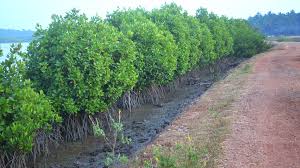
A recent scientific study has unveiled a troubling reality for Mumbai’s vital mangrove ecosystems: each kilogram of dry sediment in these critical zones harbours an average of 6,730 microplastic particles. This alarming finding underscores a significant environmental challenge for the city, highlighting the urgent need for robust waste management strategies and a decisive shift towards a zero net carbon, eco-friendly, and sustainable urban model to protect these invaluable natural assets.
The research, which analysed sediment samples from six diverse mangrove regions across the Mumbai metropolitan area, revealed that over half of the detected microplastics were in the form of fibres, with other prevalent types including translucent particles and those smaller than 100 micrometres – approximately the diameter of a human hair. The pervasive presence of these microscopic plastic fragments in benthic organisms, which directly inhabit the sediment, presents a grave concern for the food chain. There is a palpable risk that these particles could bioaccumulate, potentially reaching human consumers through seafood, thus impacting public health and further compromising the principles of equitable urban living.
Also Watch: “Mumbai will rock, shine and always be India’s best city to live.” In an exclusive, MHADA CEO Sanjeev Jaiswal (IAS) talks about Mumbai’s enduring charm, livability, and the government’s focus on making it affordable for all
The study, led by scientists from the Indian Council of Agricultural Research-Central Institute of Fisheries Education in Mumbai, collected 30 surface sediment samples between October and December 2021. These samples spanned areas with varying degrees of anthropogenic influence, from heavily urbanised zones like Versova, Gorai, and Bandstand to comparatively less urbanised regions such as Sewri, Vikhroli, and Elephanta Island. Strikingly, Versova’s mangroves exhibited the highest average microplastic concentration, exceeding 7,800 particles per kilogram, a stark indicator of the profound impact of local urban runoff and inadequate waste management practices.
This new data provides a critical estimate of microplastic abundance within Mumbai’s crucial mangrove sediments, surpassing concentrations found in previous studies conducted in other Indian coastal areas like Tamil Nadu and Kerala. The findings emphatically call for immediate and comprehensive management plans and policy reforms to curb the production and release of microplastics into coastal waters. Given that over three-quarters of the world’s mangroves are currently under threat, as highlighted by UNESCO, protecting these unique “blue carbon” ecosystems is paramount. They serve as natural barriers against coastal erosion, absorb significant amounts of carbon dioxide, and support rich biodiversity. The pervasive microplastic pollution undermines these ecological services, posing a direct threat to Mumbai’s environmental resilience and its long-term vision for a truly sustainable and healthy urban future.
Also Read : Air India Flight AI 2744 Skids Off Mumbai Runway Amid Rain Today
