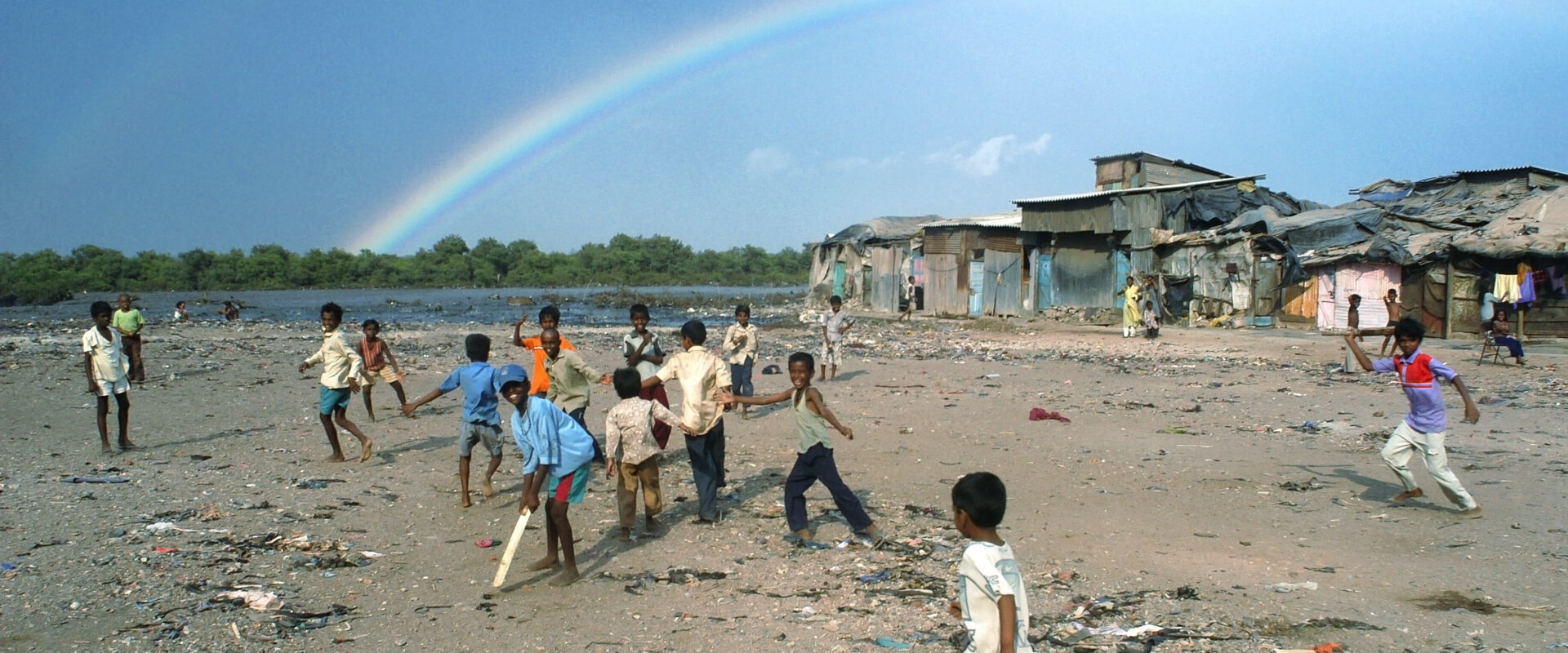
Mumbai’s M East Ward, one of the city’s largest administrative zones, continues to reflect some of the starkest urban inequalities in India’s financial capital, despite decades of economic expansion elsewhere in the metropolis. Home to an estimated population exceeding one million, the ward spans neighbourhoods such as Mankhurd, Govandi, Shivaji Nagar and Cheeta Camp, where informal housing dominates the urban landscape and basic civic services remain under severe strain.
Urban development data and academic studies consistently rank M East at the bottom of Mumbai’s human development indicators. Dense settlements, limited public infrastructure and the continued operation of the Deonar dumping ground have combined to create a long-term environmental and public health burden. Urban planners note that the ward’s proximity to waste-processing facilities has entrenched structural disadvantage, exposing residents to persistent air, water and soil contamination. Health outcomes in M East reveal the depth of this crisis. Longitudinal studies tracking household conditions and public health indicators show disproportionately high infant mortality, widespread child malnutrition and a sharp rise in both communicable and lifestyle-related diseases compared to citywide averages. Urban health experts attribute these outcomes to overcrowded living conditions, limited access to preventive healthcare and chronic exposure to pollution.
Public healthcare infrastructure has failed to keep pace with population growth. Despite having a population comparable to a mid-sized Indian city, the ward relies on a single major municipal hospital, while smaller clinics struggle with staffing shortages and non-functional diagnostic equipment. As a result, residents often travel long distances for treatment or incur out-of-pocket expenses at private facilities, reinforcing cycles of poverty. Educational access presents another structural gap. Government-run schools and higher education institutions remain insufficient, forcing students to commute across the city. This adds financial pressure on families and raises safety concerns, particularly for women and children. Urban education specialists argue that inadequate local access to schooling undermines long-term economic mobility in already marginalised communities.
Civic challenges further compound daily hardship. Broken roads, unreliable water supply, clogged drainage systems and recurring monsoon flooding are routine. Environmental monitoring shows a disproportionate concentration of pollution-linked illnesses, underscoring how uneven infrastructure investment translates into unequal health outcomes. Proposed redevelopment and relocation projects in and around the ward have drawn concern from residents and urban policy observers. Experts caution that relocating vulnerable populations near active waste-processing zones risks deepening environmental injustice unless paired with robust health safeguards, infrastructure upgrades and community participation.
Yet, incremental progress is visible through citizen-led initiatives. Grassroots programmes have helped households secure legal water and electricity connections, access welfare documentation and engage more effectively with civic authorities. Partnerships between community organisations and the municipal corporation have also supported nutrition programmes, sanitation upgrades and localised infrastructure improvements. For Mumbai’s vision of inclusive, climate-resilient growth to hold credibility, M East Ward represents a critical test case. Addressing its challenges will require coordinated investment in public health, education, housing and environmental remediation—backed by transparent governance and long-term accountability.
Mumbai M East Reflects Failure Of Inclusive Urban Growth