Mumbai Luxury Redevelopment Reshapes Malabar Hill Skyline
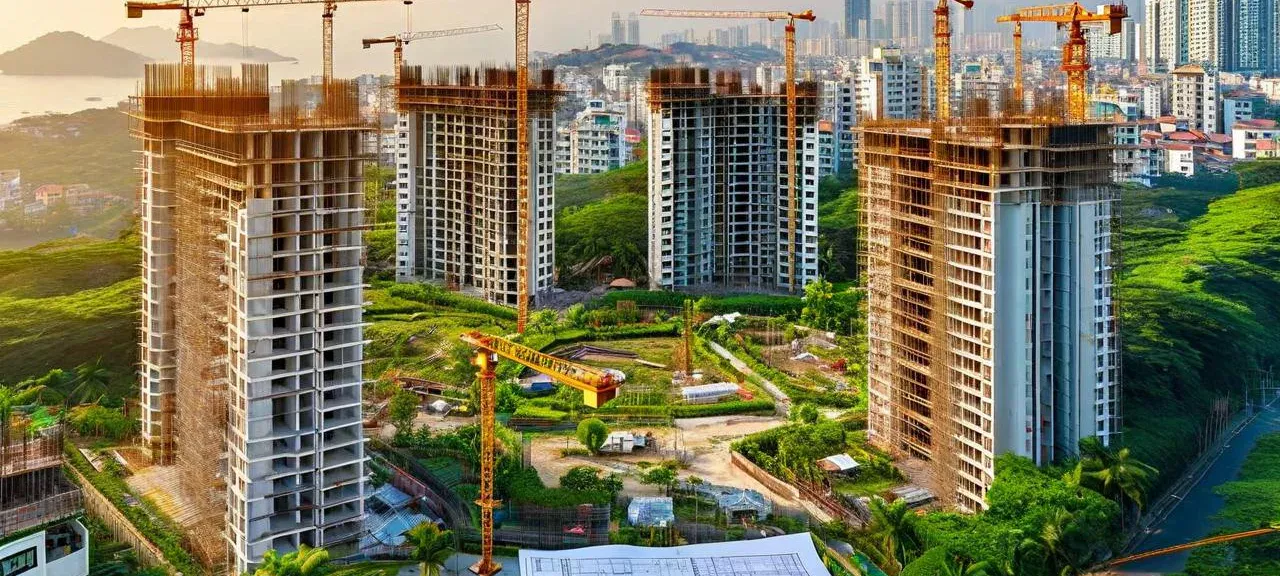
A prime residential plot in Mumbai’s Malabar Hill is set for a major transformation, as an ageing Art Deco structure is cleared to make way for a high-end residential tower. The move reflects a growing pattern in the city’s most valuable neighbourhoods, where low-rise heritage buildings are increasingly being replaced by vertical luxury developments, raising questions about urban identity and land use priorities.
The redevelopment, led by JSW Realty, will convert a decades-old residential property into a boutique tower featuring large-format homes, including full-floor apartments and premium duplex configurations. Industry estimates suggest the project could generate significant sales value, underlining the continued appetite for ultra-luxury housing in South Mumbai despite broader market fluctuations. Urban planners note that Malabar Hill, traditionally characterised by low-density housing and tree-lined streets, is undergoing a structural shift. As land parcels become scarce and property values escalate, redevelopment has emerged as the primary route for unlocking economic value. However, this trend often comes at the cost of architectural continuity, particularly in areas known for historic design styles such as Art Deco. Mumbai’s Art Deco buildings, many constructed in the early to mid-20th century, form one of the largest such collections globally.
While some precincts enjoy heritage protection, a significant number of privately owned buildings fall outside strict conservation frameworks, making them vulnerable to redevelopment pressures. Experts say this creates a fragmented preservation landscape, where iconic structures can be lost without regulatory intervention. Beyond heritage concerns, the shift also reflects changing residential preferences. Developers are increasingly targeting affluent buyers seeking privacy, security, and curated amenities features difficult to retrofit into older buildings. The new tower is expected to incorporate wellness-focused infrastructure and controlled-access living, aligning with post-pandemic demand for self-contained residential environments. At the same time, urban policy specialists argue that such projects highlight a broader imbalance in city planning. While luxury redevelopment boosts municipal revenues and supports construction activity, it does little to address Mumbai’s pressing housing shortages or infrastructure strain. High-end towers often house fewer residents than the buildings they replace, raising questions about efficient land utilisation in a city with acute space constraints.
There are also environmental implications. Demolition and reconstruction carry a significant carbon footprint, particularly when replacing structurally sound buildings. Some architects advocate adaptive reuse as a more sustainable alternative, though financial incentives for such approaches remain limited. As redevelopment accelerates across South Mumbai, the challenge for policymakers will be balancing economic growth with heritage conservation and climate-sensitive planning. The future of neighbourhoods like Malabar Hill may well depend on how cities reconcile these competing priorities while ensuring that redevelopment contributes meaningfully to a more inclusive and resilient urban fabric.