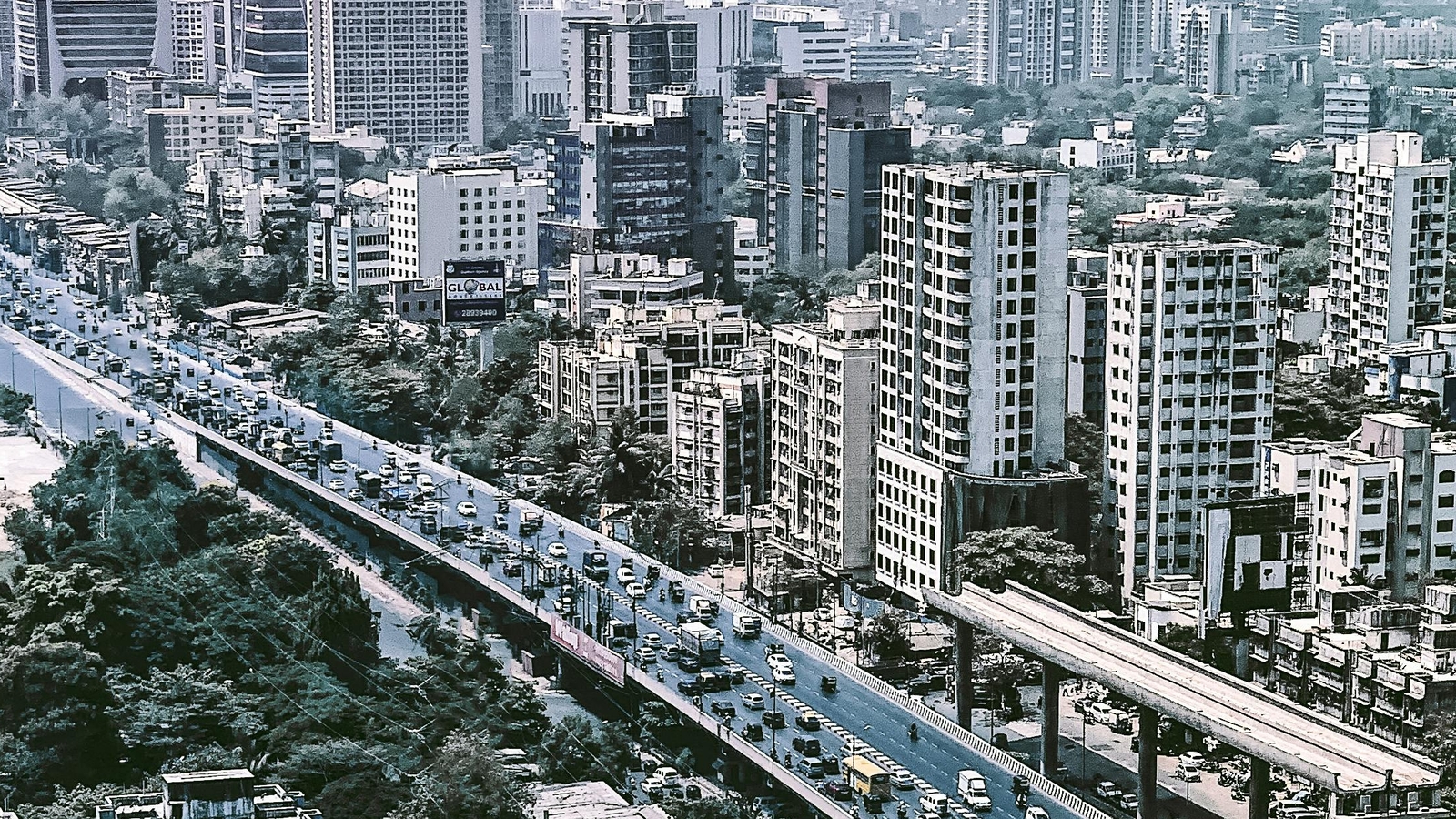
India’s luxury residential market reached an inflection point in 2025 as ultra-wealthy buyers drove unprecedented capital into premium homes, reshaping pricing benchmarks and investor expectations. Across the country’s top cities, more than fifty ultra-high-value residential transactions collectively crossed ₹7,000 crore, underscoring how wealth concentration and confidence in prime urban assets continue to deepen despite broader market volatility.
Mumbai emerged as the undisputed epicentre of this surge. The financial capital accounted for the majority of high-value transactions, cementing its position as India’s most expensive and liquid luxury housing market. Industry data reviewed by Urban Acres indicates that over two-thirds of the country’s biggest residential deals were concluded in Mumbai alone, pushing aggregate transaction values in the city beyond ₹5,000 crore during the year. What distinguished 2025 from previous cycles was not just deal size, but frequency. The number of homes transacting above the ₹100-crore threshold reached a historic high, reflecting both the expanding pool of ultra-high-net-worth individuals and a growing appetite for trophy residences as long-term stores of value. Market analysts say these buyers are increasingly insulated from interest rate cycles and view prime real estate as a hedge against global financial uncertainty.
Within Mumbai, premium micro-markets along the central waterfront dominated buyer interest. Worli, in particular, accounted for a significant share of the largest transactions, driven by limited land availability, proximity to business districts and access to upgraded coastal and transit infrastructure. Super-luxury high-rise developments offering privacy, sea views and bespoke amenities have become the preferred format for elite buyers, signalling a shift away from traditional standalone mansions within the city. Delhi NCR ranked a distant second, with high-value deals concentrated in heritage bungalow precincts. Unlike Mumbai’s vertical luxury, the capital region’s elite continued to favour low-density independent homes, highlighting how urban form and land policy shape luxury housing preferences. Together, the two regions absorbed the bulk of ultra-premium residential capital deployed in India during 2025.
Urban economists caution that while Mumbai luxury housing reflects economic strength and global investor confidence, it also sharpens questions around equitable urban growth. Rising land values in prime zones tend to spill over into surrounding neighbourhoods, influencing redevelopment intensity and infrastructure demand. Planners note that aligning luxury-led growth with investments in transit, public spaces and climate-resilient services is critical to avoid widening spatial inequality. Looking ahead, developers and policymakers expect the ultra-luxury segment to remain resilient, supported by domestic wealth creation and stable regulatory frameworks. However, the sustainability of this growth will depend on how effectively cities like Mumbai integrate premium real estate expansion with inclusive planning, environmental safeguards and infrastructure capacity — ensuring that record-breaking deals translate into broader urban value rather than isolated wealth enclaves.
Mumbai Luxury Housing Sets New National Records