


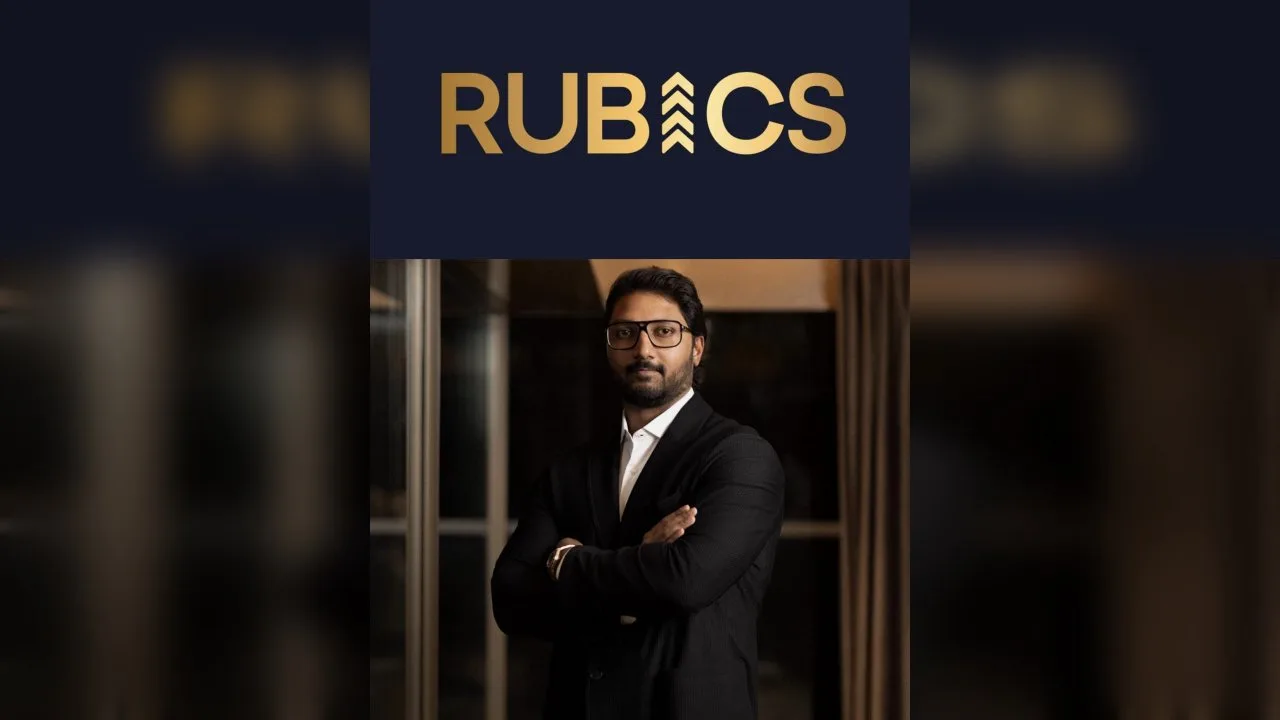
Mumbai’s premium housing market is witnessing a new form of brand-led entry as an emerging real estate developer makes its debut through a high-visibility cultural partnership, signalling a shift in how luxury housing is positioned and marketed in India’s financial capital. The move underlines how experiential branding and design-led development are becoming central to attracting affluent urban homebuyers in a competitive, mature market.
The developer’s entry was announced alongside a high-profile association with an international football tour that has drawn widespread public and media attention across major Indian cities. While celebrity-led sponsorships are not new to Indian real estate, industry observers note that the scale and timing of this collaboration mark a departure from conventional launch strategies focused solely on project announcements and price points. Urban branding specialists say such partnerships reflect a broader evolution in luxury housing demand. “Today’s buyers are not just investing in square footage. They are buying into identity, lifestyle and long-term cultural value,” said a senior real estate branding consultant. “Developers are responding by aligning themselves with moments that resonate emotionally and socially.” The visibility generated by the partnership extended beyond event venues into the city’s public realm. Landmark urban infrastructure was used as a canvas for temporary branding, creating a strong visual association between the city’s skyline and the new entrant. This was complemented by organic digital engagement, with the campaign gaining traction across social media platforms and sparking conversation well beyond traditional property audiences. Behind the marketing spectacle, the developer is positioning itself as a design-first player focused on boutique luxury projects in established neighbourhoods rather than large-scale suburban expansions. According to people familiar with the company’s plans, its initial projects are expected to come up in central Mumbai locations with strong historical character, where redevelopment and urban regeneration are increasingly reshaping residential supply.
Urban planners note that this approach aligns with a wider push towards compact, mixed-use and transit-connected neighbourhoods. “Luxury housing in dense cities like Mumbai must now respond to sustainability, walkability and community integration,” said an independent urban development expert. “Smaller, well-designed projects in legacy areas can support lower-carbon living while preserving local urban identity.” The developer has indicated that its upcoming projects will incorporate global design influences alongside environmentally conscious construction practices, reflecting growing expectations among premium buyers for energy efficiency, responsible materials and inclusive common spaces. While details remain limited, the emphasis on experiential living suggests a move away from purely status-driven luxury towards homes designed for long-term urban resilience. As Mumbai continues to grapple with affordability pressures, infrastructure strain and climate risks, such developments raise important questions about how luxury real estate can coexist with broader goals of inclusive and sustainable urban growth. If executed responsibly, analysts believe design-led premium housing can help set higher benchmarks for construction quality, environmental performance and neighbourhood regeneration.
For now, the city’s real estate market is watching closely to see whether experience-driven branding can translate into lasting value not just for buyers, but for Mumbai’s evolving urban fabric.
Also Read: India Housing Market Shines With Residential Real Estate Generating 15 Percent Returns
