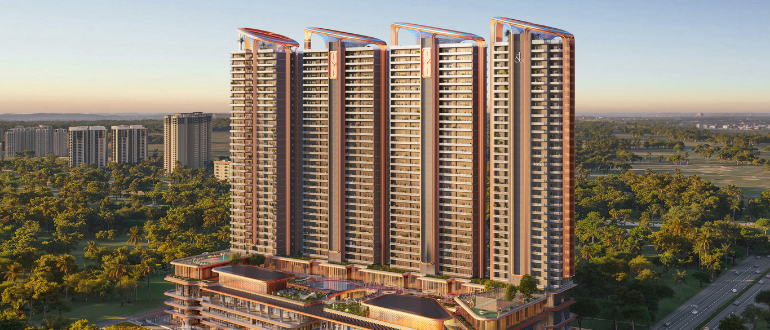
A high-value residential transaction in Goregaon East has drawn attention to Mumbai’s evolving luxury housing geography, as a leading real estate promoter group acquires a large-format apartment valued at nearly ₹60 crore within a premium development. The deal underscores a steady shift in high-net-worth housing demand towards the city’s western suburbs, where infrastructure upgrades and integrated developments are reshaping buyer preferences.
The apartment, spread across more than 8,500 sq. ft., represents a growing appetite for expansive, amenity-rich residences in locations once considered peripheral to South Mumbai’s traditional luxury clusters. With multiple parking allocations and access to a master-planned environment, such homes increasingly appeal to business families seeking scale, privacy, and proximity to commercial hubs. Industry experts say this Mumbai luxury housing deal reflects a broader recalibration in the city’s real estate dynamics. Over the past decade, Goregaon East has benefited from improved east–west connectivity, metro expansion, and the presence of corporate parks and retail infrastructure. These factors have reduced commute times while elevating the area’s liveability index, making it attractive for end-users rather than purely speculative investors.
Urban planners note that the rise of branded developments in suburban micro-markets is also tied to changing lifestyle expectations. Larger homes, access to open spaces, and integrated community features are becoming critical in a post-pandemic environment. However, they caution that such growth must be balanced with adequate civic infrastructure, including water management, mobility planning, and climate-resilient design, to ensure long-term sustainability. The transaction also highlights how India’s business-led wealth is increasingly being deployed into residential assets, particularly in projects backed by established developers. This trend provides liquidity to the market and supports the pipeline of high-quality construction, but it also raises questions around affordability and spatial equity in a city where housing shortages persist across income segments.
From a policy perspective, the concentration of capital in luxury assets signals confidence in Mumbai’s real estate fundamentals, even amid global economic uncertainty. Yet, experts emphasise the need for parallel investments in affordable and rental housing to maintain inclusive urban growth. As Goregaon and neighbouring suburbs continue to attract capital through deals like this Mumbai luxury housing deal, the focus is likely to shift towards how these micro-markets evolve. The challenge for city planners and developers will be to ensure that rapid premiumisation does not outpace infrastructure readiness, and that emerging urban clusters remain accessible, resilient, and responsive to the needs of a diverse population.