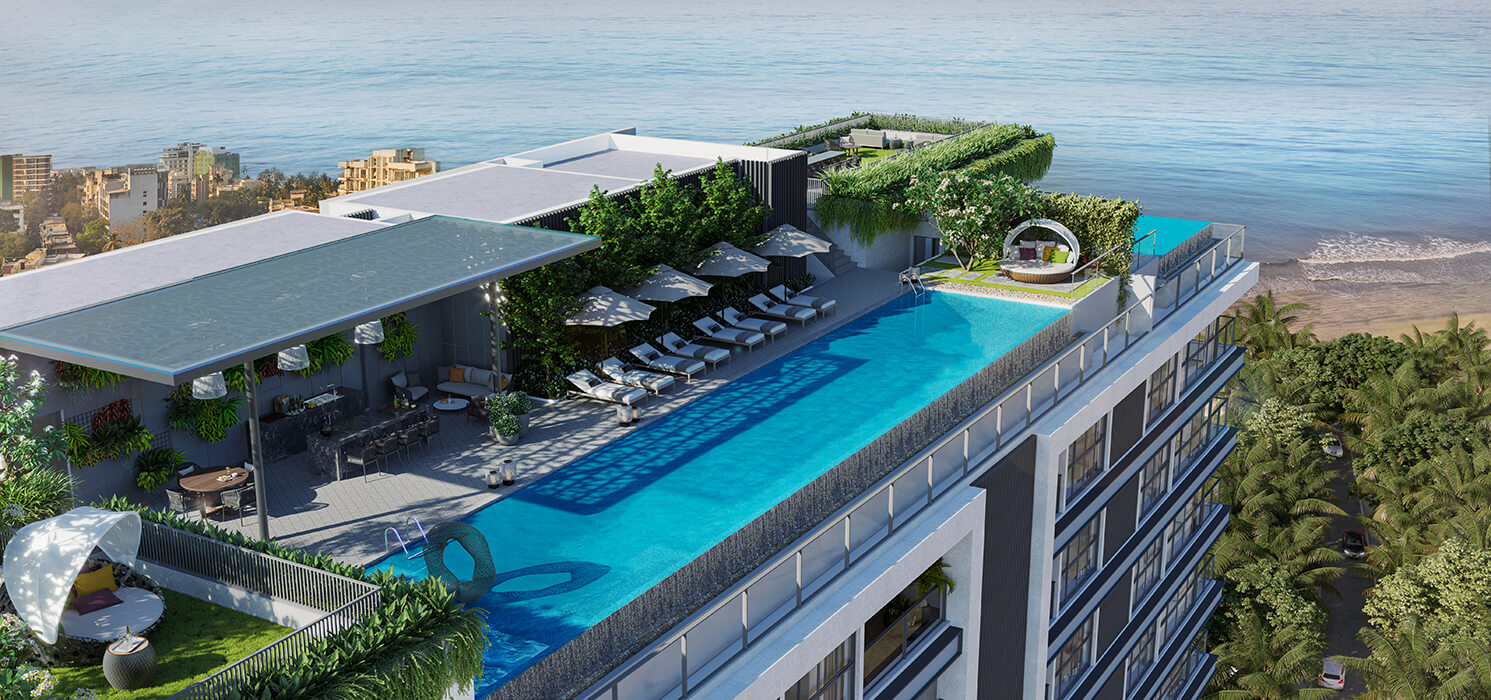
Mumbai Luxury Apartment Deal Highlights Juhu Demand
A high-value residential transaction in Mumbai’s Juhu neighbourhood has drawn attention to the continued momentum in the city’s premium housing segment, where full-floor residences and sea-facing properties are increasingly commanding top-tier valuations. The ₹20 crore-plus acquisition of a luxury apartment in an under-construction coastal development signals sustained investor confidence in Mumbai luxury apartment assets despite broader market uncertainties.
Located along the Juhu coastline, the project reflects a shift in buyer preference towards low-density living and enhanced privacy. The unit, spread across more than 3,300 sq ft, occupies an entire floor within the tower an increasingly sought-after configuration among high-net-worth individuals seeking exclusivity within dense urban environments. Industry observers note that such configurations also align with post-pandemic lifestyle expectations, where space, ventilation and reduced shared interfaces have gained prominence.Real estate analysts point out that the per square foot pricing in this micro-market remains among the highest in the country, driven by limited land availability and strict coastal regulation norms. Juhu, in particular, benefits from its proximity to key transport infrastructure, including the airport, and its long-standing association with high-profile residential ownership. This combination continues to support steady capital appreciation, especially for under-construction projects backed by established developers.
The development itself, scheduled for completion towards the end of the decade, underscores a broader pipeline of luxury housing projects entering Mumbai’s western suburbs. While demand remains resilient, urban planners caution that such growth must be balanced with infrastructure readiness. Increased density, even in premium segments, places additional pressure on local road networks, drainage systems and coastal resilience mechanisms especially in flood-prone zones.Experts also highlight the environmental dimension of Mumbai luxury apartment developments. Coastal projects face heightened scrutiny around climate risks, including sea-level rise and extreme weather events. Integrating sustainable building materials, energy-efficient systems and resilient design frameworks will be critical in ensuring long-term viability. Some developers are already incorporating green certifications and water management systems, though adoption remains uneven across the sector.
From an investment perspective, full-floor luxury units continue to attract buyers seeking both end-use and long-term value. Market data indicates that such properties often outperform standard configurations in resale markets due to their rarity and appeal. However, affordability remains a challenge, reinforcing the widening gap between premium and mid-income housing segments in the city. As Mumbai’s real estate market evolves, transactions of this scale reinforce the city’s position as a hub for high-value residential investment. Going forward, aligning luxury housing growth with sustainable urban planning and inclusive infrastructure development will be key to ensuring that such expansion contributes meaningfully to the city’s long-term resilience.