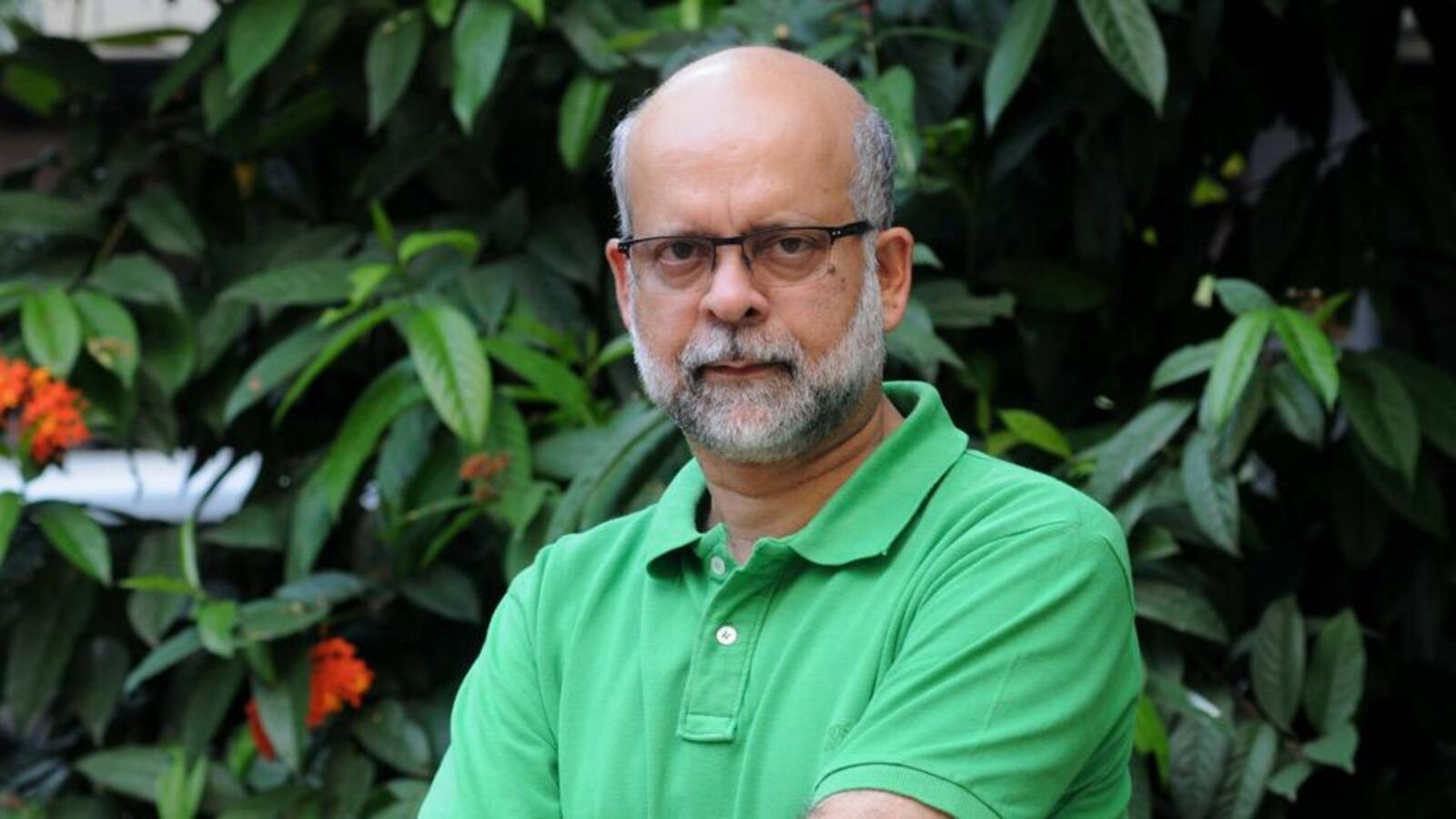
Mumbai’s skies grew quieter this week with the passing of one of its most passionate guardians of avian life. The city lost its celebrated “bird man”, a pioneering conservationist, nature writer, and award-winning wildlife photographer, who dedicated over four decades to documenting and defending urban biodiversity.
He passed away at the age of 63 after a prolonged battle with blood cancer, leaving behind a void in Mumbai’s naturalist community and a legacy that has shaped generations of bird lovers and environmental advocates. Known for his encyclopaedic knowledge of birds and a deep emotional connection with urban nature, the bird man of Mumbai wasn’t just an observer—he was a chronicler of Mumbai’s ecological pulse. His camera lens captured thousands of moments in the city’s mangroves, wetlands, and forest edges, where he often spotted not just birds but early signs of environmental distress. “Birds act as a barometer of the city’s health,” he had once said—an insight that defined his philosophy.
He was the founding force behind Mumbai’s annual bird race, an event that transformed casual curiosity into community action. Inspired by global bird-spotting events, the bird race began in 2005 and eventually spread to over 30 cities across India. In its inaugural edition, over 100 participants recorded sightings of 277 bird species in and around Mumbai. Today, the initiative continues to awaken interest in ornithology while building awareness around habitat loss and urban pollution. “He gave the city a reason to look up,” recalled an environmentalist who co-organised the bird race with him for over a decade. “He didn’t just teach us how to spot birds; he taught us to listen to the city in a way that few others could.”
In addition to leading the bird race, he authored several accessible books on birds and urban ecology—many of which filled a long-standing gap in nature writing for Indian audiences. Earlier generations had only a couple of field guides, but his work introduced new readers to the wonders of Indian avifauna with clarity, charm, and scientific precision. His influence wasn’t confined to books or binoculars. He served on the governing council of the Bombay Natural History Society (BNHS) and was actively involved in the Maharashtra Nature Park Society and the MMRDA’s Environment Improvement Society. His expertise was frequently sought for environmental planning and biodiversity assessments in the Mumbai Metropolitan Region.
Former colleagues at the BNHS remember him as a field mentor who led nature trails across the city’s fragmented green spaces—from Aarey Colony to wetlands in Uran. “He was among the first to warn about the ecological collapse of Uran,” said a conservation expert. “Back then, we saw 60–70 bird species in an hour. Today, it’s a fraction of that.” His connection with birds was more than academic. According to his family, he felt a profound kinship especially with owls—so much so that he collected owl figurines from around the world. Even in his final years, he would venture out to Lokhandwala Lake near his home, camera in hand, documenting the diminishing flocks with the same quiet enthusiasm he had in his youth.
From 1990 to 1994, he served as associate editor of India’s oldest wildlife magazine, where he played a critical role in shaping narratives on conservation and urban ecology. Editorial veterans from that time recall how his grounding in fieldwork and storytelling helped the publication navigate the nuanced science of wildlife conservation and communicate it effectively to readers. His legacy also includes ‘Young Rangers’, an environmental education programme he launched in 2007 to connect school children with the natural world. Though the initiative wrapped up years ago, it continues to be remembered fondly by its alumni—many of whom have grown up to become conservation professionals and researchers.
His deep-rooted environmentalism was always tied to Mumbai’s shifting urban landscape. From encroachments in Sanjay Gandhi National Park to vanishing mangroves along the coast, he was a consistent and vocal presence in civic debates around sustainable planning. His message remained clear: cities can no longer ignore nature. Conservation, he believed, wasn’t just about preserving distant forests—it had to start at home, in backyards, balconies, and neighbourhood lakes. On the day of his passing, he was scheduled to go birding in Lokhandwala—a ritual he never gave up. “It was a date he couldn’t keep,” said a close associate. “But in a way, he had already left us a guidebook, a trail, a call to listen.”
As Mumbai continues to grapple with climate risks, biodiversity loss, and unregulated development, the legacy of its bird man is more relevant than ever. His life is a reminder that urban sustainability isn’t just about carbon emissions or concrete—it is also about birdsong, wetlands, and the quiet resilience of life on the wing. He may have taken his final flight, but for those who knew him, his voice lives on—in every checklist, in every migratory season, in every effort to keep the skies of Mumbai alive with the sound of wings.
Mumbai loses its beloved bird man