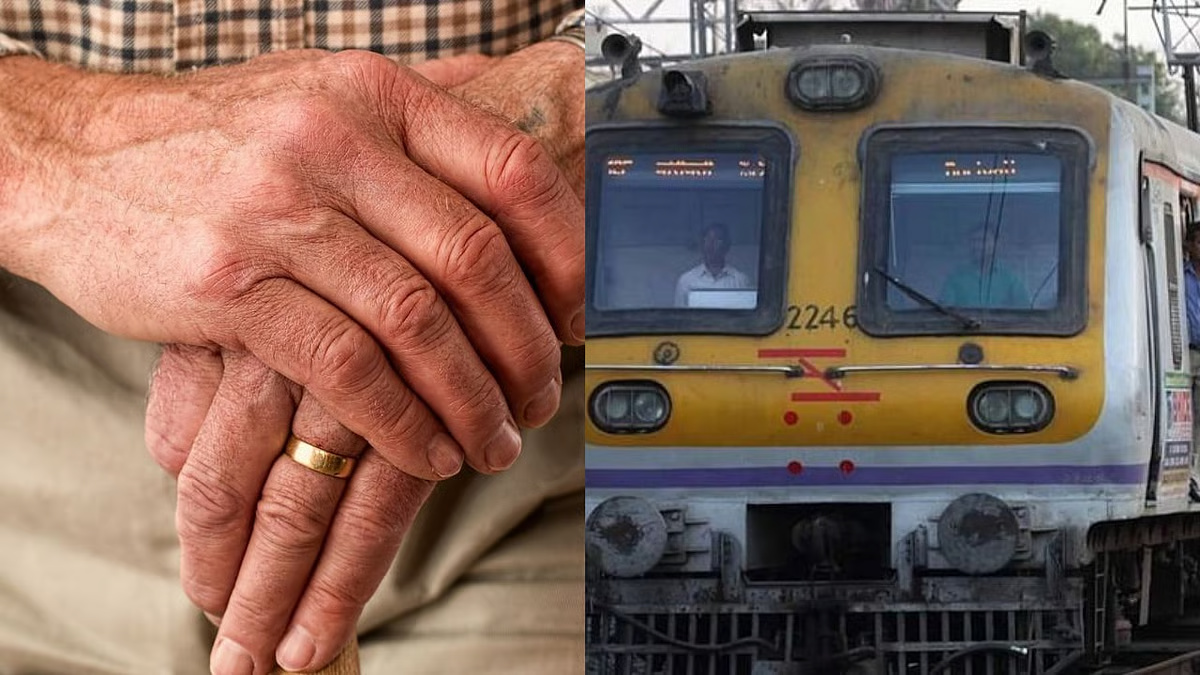
Mumbai’s suburban rail system, often described as the city’s economic lifeline, is set to undergo a targeted accessibility upgrade aimed at senior citizens. Western Railway has begun implementing a plan to introduce dedicated coaches for elderly commuters in select non-AC local trains, marking a structural shift in how inclusivity is addressed within India’s busiest urban transport network.
The initiative will be rolled out across 105 non-AC services operating on the Western Railway corridor. Existing luggage compartments will be reconfigured to create clearly designated spaces for senior passengers, responding to long-standing commuter demands and a judicial directive emphasising the need for safer travel conditions for older residents. Urban mobility experts note that Mumbai’s ageing population increasingly depends on suburban rail for access to healthcare, social networks and economic activity. With more than 50,000 senior citizens using local trains daily, overcrowding during peak hours has often translated into safety risks, limited seating and difficult boarding conditions. Dedicated coaches are expected to reduce these pressures while improving predictability and dignity in everyday travel.
According to railway officials, the senior citizen coach will be positioned consistently within train formations to simplify wayfinding. On services heading towards the city’s southern terminus, the compartment will be placed sixth from the front, allowing elderly commuters to align themselves more easily along platforms. Clear exterior signage will distinguish the coach from general compartments, reducing confusion during busy boarding windows. The interior layout has been redesigned to balance seating availability with standing space. Fixed benches are expected to accommodate a limited number of seated passengers, while open areas will allow additional users to travel without obstruction. Safety features include emergency evacuation ladders positioned near door frames, addressing concerns around response preparedness during service disruptions or accidents.
Transport planners say the decision reflects a broader recalibration of public transport design in dense cities. Rather than expanding capacity alone, authorities are increasingly being pushed to rethink how existing infrastructure serves diverse demographic groups. Senior citizens, children and persons with reduced mobility often experience urban transport very differently from working-age commuters. The move follows judicial observations that highlighted the absence of age-sensitive planning in Mumbai’s local trains, despite repeated policy discussions around inclusive mobility. The directive reinforced the principle that public transport systems must evolve alongside demographic realities, particularly in megacities where railways function as essential social infrastructure.
From a sustainability perspective, encouraging continued rail usage among elderly residents supports lower-carbon mobility patterns by reducing dependence on private vehicles or short-distance road transport. Urban economists also note that reliable access to public transport helps seniors remain active participants in city life, contributing to social cohesion and local economies. As the senior citizen coaches are gradually introduced, transport authorities are expected to monitor usage patterns, safety outcomes and commuter feedback. If successful, the model could inform similar interventions across other suburban rail networks, signalling a shift towards more people-first urban mobility planning in India’s rapidly ageing cities.
Mumbai Locals Introduce Dedicated Senior Citizen Coaches