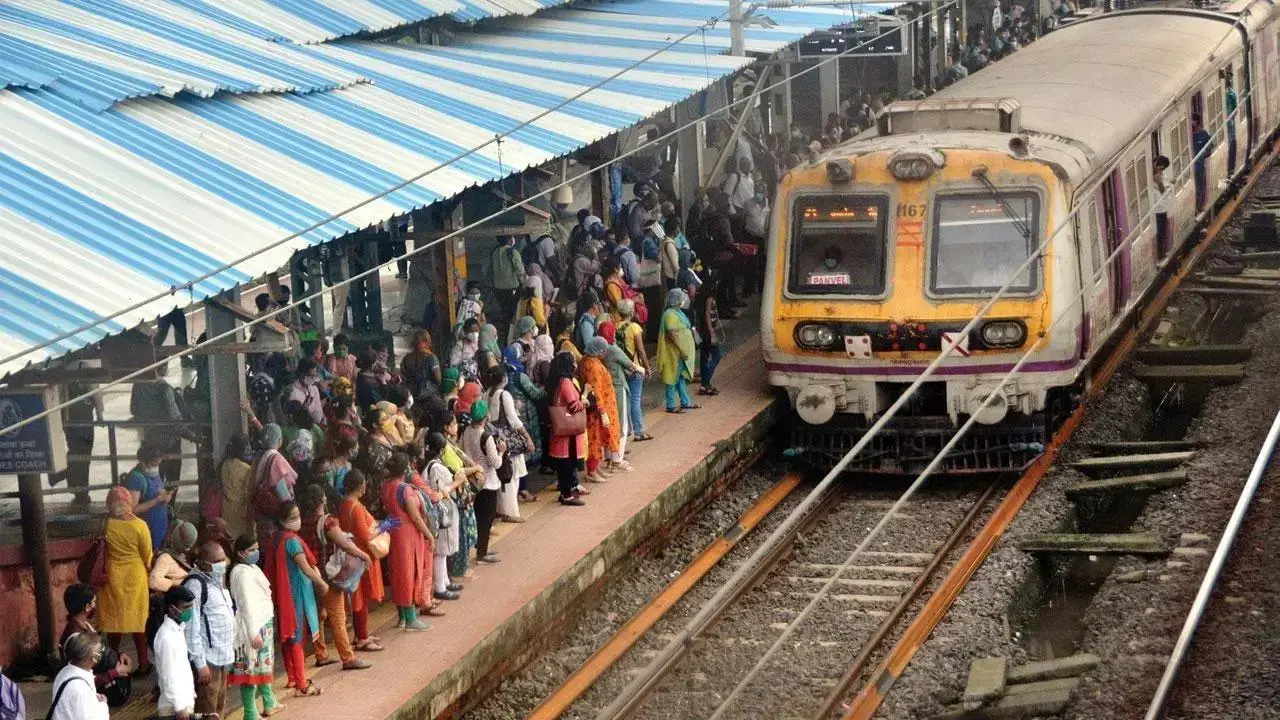
The suburban rail network that underpins daily life across the Mumbai metropolitan region is poised for a significant capacity upgrade, with plans underway to introduce 100 new train rakes to replace ageing commuter stock. This fleet expansion marks a concerted effort by Indian Railways and regional operators to address chronic overcrowding and improve reliability on one of the world’s busiest urban rail systems.
Mumbai’s suburban railway, operating across Western, Central and Harbour lines, carries millions of passengers every day and has struggled for decades with capacity pressures as the city’s population and job centres spread further into the periphery. Urban transport specialists say modern rolling stock is essential not just for commuter comfort but to support equitable urban growth and sustainable transit modal share.The proposed 100 new rakes will primarily replace older, non‑air‑conditioned trains that have limited capacity and lack modern safety and comfort features. The modernisation push dovetails with broader infrastructure work currently underway in the Mumbai Suburban Railway, including track expansions and signalling enhancements designed to increase service frequency and reduce bottlenecks at key junctions.
Rail planners highlight the importance of aligning this rolling stock upgrade with network capacity improvements. For example, Western Railway and Central Railway divisions are engaged in projects to extend overtaking tracks, refine scheduling, and support longer train sets — all of which are necessary to unlock the full potential of a refreshed fleet. Industry experts say new rakes feature improved acceleration and braking performance, which can enhance punctuality and reduce dwell times at crowded stations.The suburban network’s evolution comes amid rising demand for more comfortable and resilient rail options. In recent years, stakeholders have also introduced air‑conditioned local services and experimented with broader safety technologies like automatic door mechanisms and indigenous anti‑collision systems. These initiatives aim to make rail travel more attractive across socio‑economic groups, encouraging a shift away from high‑emission private modes and supporting Mumbai’s zero‑carbon transport goals.
Residents and commuters have long called for tangible improvements. Overcrowding during peak hours not only affects comfort but also raises safety concerns on platforms and in trains running beyond rated capacity. By scaling up modern rolling stock, authorities can ease this daily stress point while also creating new opportunities for job growth in rail operations, maintenance, and related services.However, success will depend on synchronising fleet upgrades with operational strategy, funding flows and network modernisation timelines. Urban planners note that incremental increases in service frequency alone are insufficient without a long‑term vision that integrates suburban rail upgrading with land use planning and first‑mile/last‑mile connectivity. Investments in feeder bus networks, pedestrian infrastructure, and station area development will be key to spreading benefits equitably across Mumbai’s diverse communities.
As procurement steps accelerate and delivery schedules firm up, the focus now shifts to implementation — balancing technical rollout with commuter expectations for reliability, comfort, and climate‑friendly mobility.