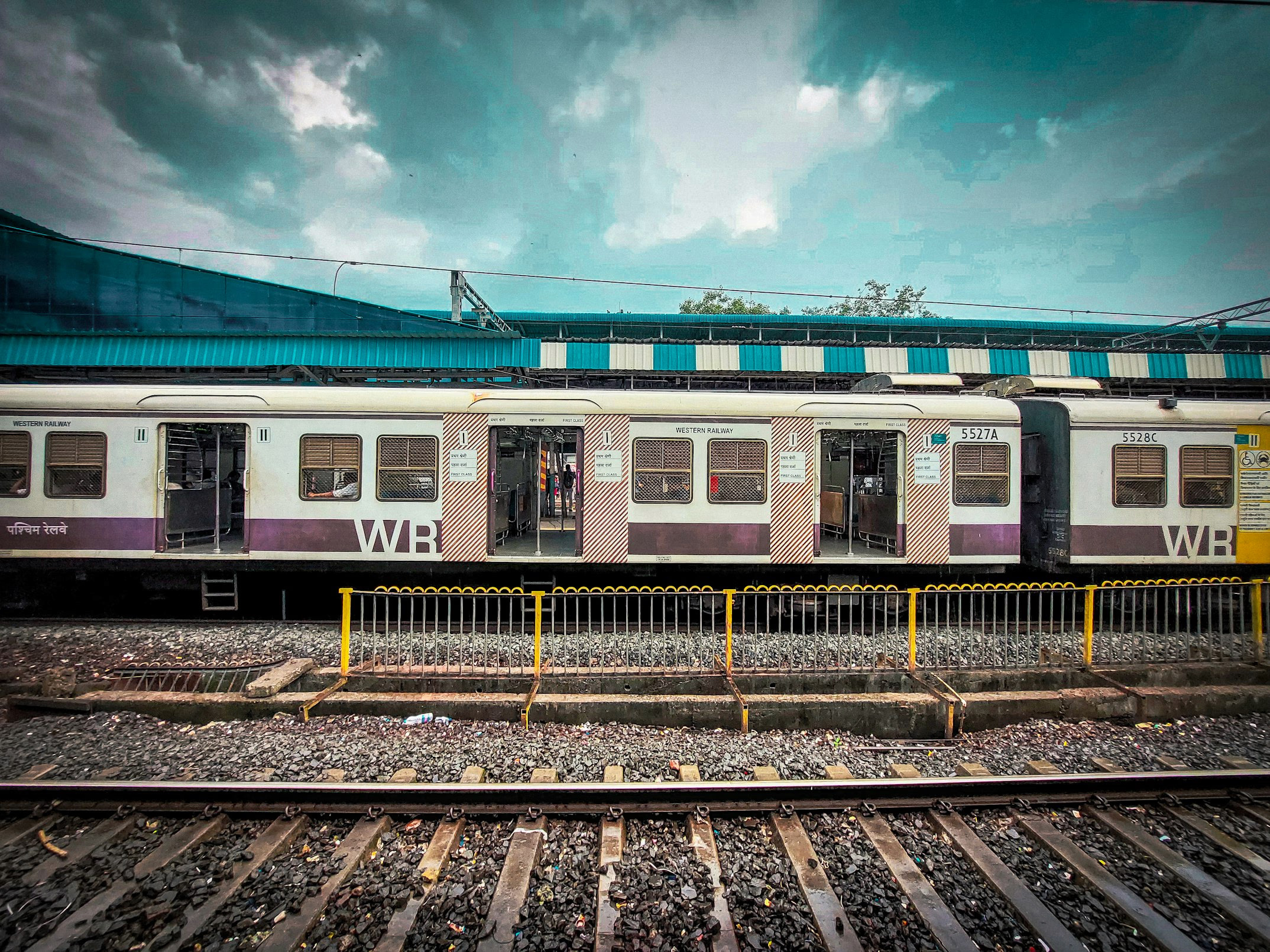
Mumbai’s Central suburban railway corridor witnessed significant service disruption on Thursday morning after a technical failure affected train operations during peak commuting hours, leaving thousands of daily commuters stranded or delayed. Services between key suburban nodes and the city’s business districts ran behind schedule by several minutes, triggering crowding at stations and raising fresh concerns over the reliability of Mumbai’s most heavily used public transport system.
The disruption occurred along one of the city’s most critical commuter arteries, which connects residential hubs such as Kalyan, Dombivli, Thane and Mumbra with employment centres in south Mumbai. Even minor operational delays along this corridor tend to cascade quickly, given the sheer passenger volume and limited recovery buffers during morning rush hours. Railway officials overseeing suburban operations confirmed that a technical malfunction affected train movement early in the day. While the fault was rectified by the afternoon, services remained irregular for several hours, resulting in uneven gaps between trains and overcrowded coaches. Platforms across multiple stations saw unusually high footfall as commuters waited longer than scheduled for services.
Urban transport experts point out that persistent delays on the Central line carry wider economic implications. The corridor supports a large share of Mumbai’s workforce, including industrial workers, service-sector employees, students and informal economy participants. Repeated uncertainty in arrival times disrupts work schedules, reduces productivity and disproportionately affects those with limited flexibility in working hours. Commuter groups have flagged that irregular operations have become increasingly frequent over the past year, eroding confidence in the suburban rail network. Women passengers, senior citizens and students were among the most affected during Thursday’s disruption, as packed trains reduced boarding safety and comfort. Several travellers reported missing work commitments due to extended wait times and overcrowding.
From a planning perspective, transport analysts argue that the incident highlights deeper structural stress on Mumbai’s rail infrastructure. High utilisation rates, ageing signalling systems, and limited redundancy mean that even isolated technical issues can paralyse large sections of the network. As the city continues to expand outward, dependence on suburban rail has intensified without a proportional increase in system resilience. Railway authorities have not provided detailed public clarification on the exact nature or location of the technical failure, a lack of transparency that commuter advocates say worsens public frustration. Experts suggest that real-time communication, predictive maintenance and coordinated integration with metro and bus services could help soften the impact of such disruptions.
Looking ahead, urban mobility specialists stress that improving reliability on the Central line is essential not only for commuter convenience but also for Mumbai’s economic efficiency and sustainability goals. As policymakers push for reduced private vehicle use and lower emissions, the dependability of mass transit systems will remain central to the city’s long-term urban resilience.
Mumbai Local Train Delays Impact Economic Mobility