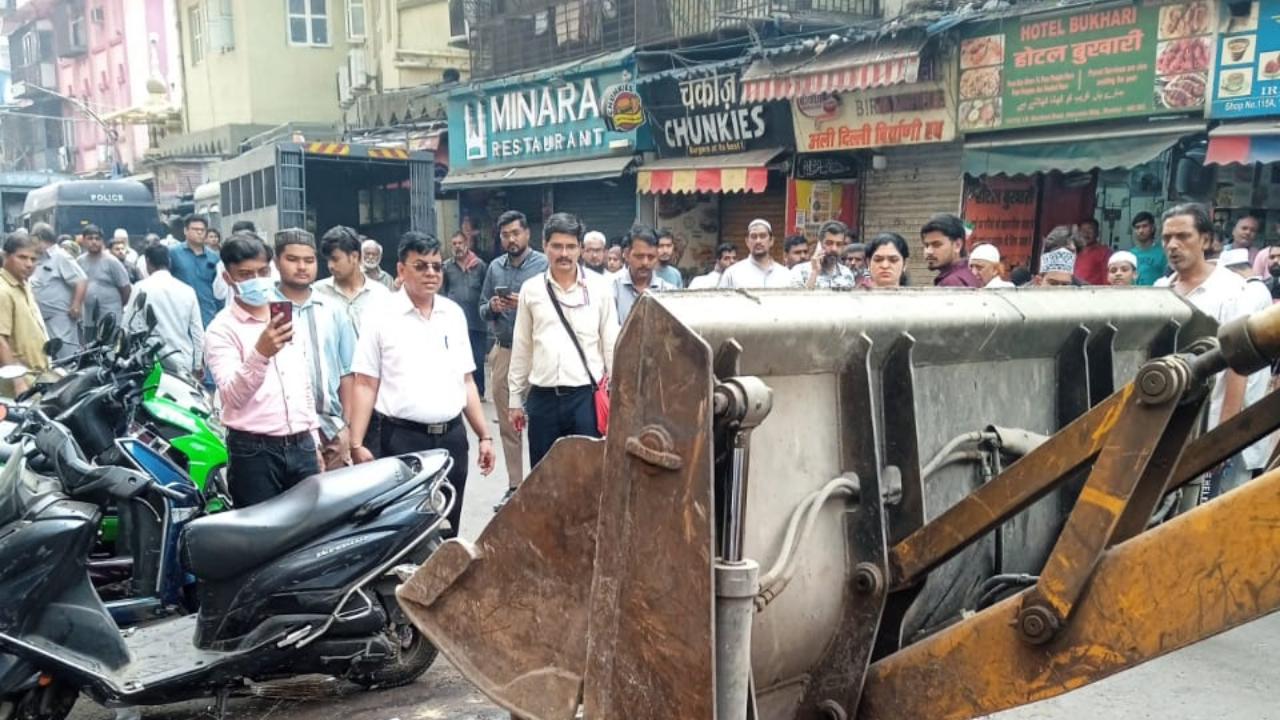
Mumbai has introduced stricter controls on the movement of heavy vehicles across the city, marking a significant shift in how India’s financial capital manages congestion, road safety, and competing demands on limited urban space. The revised traffic regime, which came into force on February 1, sharply limits the entry of trucks and other large vehicles during peak commuting hours, with even tighter restrictions imposed on South Mumbai and a complete ban on freight movement along the Eastern Freeway.
Under the new framework, heavy vehicles are barred from entering the city during morning and evening rush hours, when roads experience the highest commuter volumes. In South Mumbai — home to dense office districts, heritage precincts, transport hubs, and tourist destinations — freight movement is now confined to night-time hours only. Urban transport planners say the decision reflects a growing recognition that freight and commuter traffic cannot continue to compete for the same road space in already saturated corridors. Officials involved in traffic planning note that large vehicles occupy disproportionate road width and operate at slower speeds, amplifying bottlenecks during peak hours. With Mumbai also witnessing sustained growth in private vehicle ownership and simultaneous infrastructure works across corridors, the cumulative pressure has pushed authorities to prioritise passenger mobility, pedestrian safety, and emergency access during critical hours.
The restrictions extend beyond entry timings. Heavy vehicles are no longer permitted to park on public roads, with operators required to use private facilities or designated pay-and-park zones. Limited exemptions have been retained for essential services, including vehicles supplying food, fuel, drinking water, and emergency transport, ensuring that daily life and critical logistics remain unaffected. From an urban economy standpoint, the policy has implications for freight scheduling, wholesale markets, and last-mile logistics. Industry experts acknowledge that transporters may face higher operational costs due to rescheduled deliveries, but argue that predictable, congestion-free corridors could improve turnaround times over the long term. Similar freight time-window models are already in place in several global cities seeking to balance economic activity with liveability and emissions reduction.
The decision also aligns with broader sustainability and climate resilience goals. Reduced congestion during peak hours can lower fuel consumption, cut tailpipe emissions, and improve air quality in densely populated neighbourhoods. Safer, less chaotic streets are particularly beneficial for women, children, senior citizens, and people with disabilities, who are often most affected by traffic conflicts. Authorities have indicated that enforcement will be closely monitored through patrols and surveillance, with penalties including fines and vehicle impoundment for violations. Public communication efforts are also underway to help logistics operators and drivers adapt to the revised norms.
As Mumbai continues to expand its transit network and reconfigure street space, the effectiveness of these restrictions will depend on consistent enforcement and complementary measures such as better freight hubs, night-time logistics infrastructure, and improved public transport capacity. If managed well, the move could signal a decisive step toward a more efficient, people-first urban mobility system.
Mumbai Limits Heavy Vehicle Entry Daytime In South Mumbai