


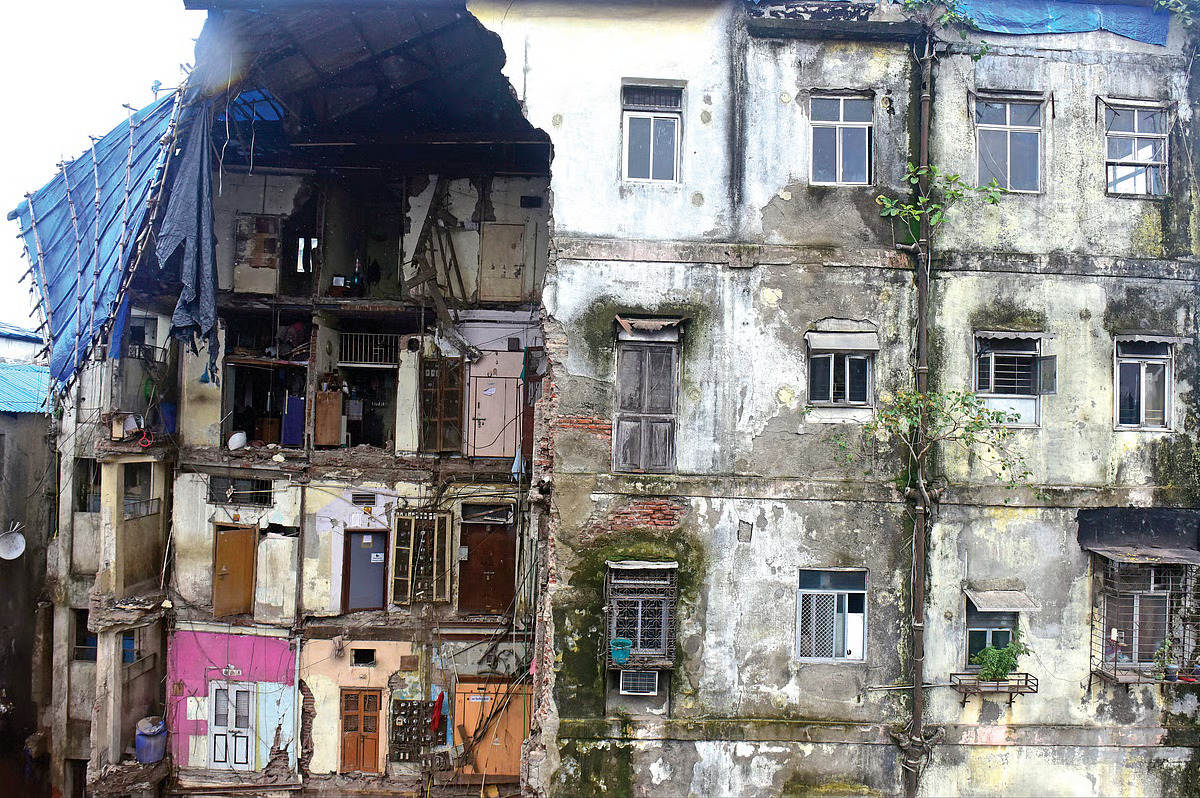
Mumbai civic administration has constituted a special task force targeting rampant violations in the city’s suburbs. The move comes after a survey revealed that nearly 40 per cent of illegal structures under the civic jurisdiction were concentrated in Diva and Mumbra, making them epicentres of unlawful housing activity.
According to senior officials, the assessment identified 151 unauthorised buildings across nine wards, with Diva recording the highest number at 40, followed by Mumbra at 20. These findings align with recent judicial concerns, where the Bombay High Court flagged the growing menace of land grabs and illegal construction in adjoining areas. The task force, comprising deputy municipal commissioners and ward-level officers, has been instructed to maintain round-the-clock vigilance in identified hotspots and to initiate immediate action against ongoing or newly detected violations. Officials have clarified that while demolition drives will continue, occupied structures will not be razed during the Ganesh festival, in view of public sentiment. However, constructions still underway will face prompt demolition. Enforcement records already indicate action against 227 unauthorised buildings and the filing of 24 criminal cases against those responsible.
The anti-encroachment wing will spearhead this crackdown, supported by police deployment to prevent resistance during field operations. The civic commissioner has emphasised that the campaign is not only about demolishing structures but also about disrupting the nexus between developers, local actors, and civic insiders alleged to be complicit in allowing such buildings to come up. Local activists and political observers argue that unchecked growth of unauthorised structures is symptomatic of systemic loopholes in urban governance. Many claim that land mafia networks exploit residents’ desperation for affordable housing, often allowing families to occupy lower floors of incomplete illegal buildings in order to delay demolition. This tactic has historically made enforcement difficult, with officials facing resistance from residents who are unaware of the legal violations.
Experts stress that beyond punitive measures, the city must focus on creating equitable housing frameworks that address affordability without compromising safety or sustainability. Illegal constructions, they note, not only strain basic services but also undermine efforts to build eco-friendly and resilient urban spaces. Poorly built and unregulated structures often worsen flood risks, increase carbon footprint, and erode public trust in city planning. As Mumbai prepares for yet another cycle of rapid urbanisation, the task force’s success will likely depend on whether it can dismantle the entrenched networks sustaining illegal housing. The move signals a more assertive civic stance, but it also underscores the urgent need for long-term reforms in planning, housing supply, and governance accountability to prevent a repeat of such crises.
Also Read : Mumbai Authorities Confirm Trucks To Continue Paying Toll At All City Entry Points
