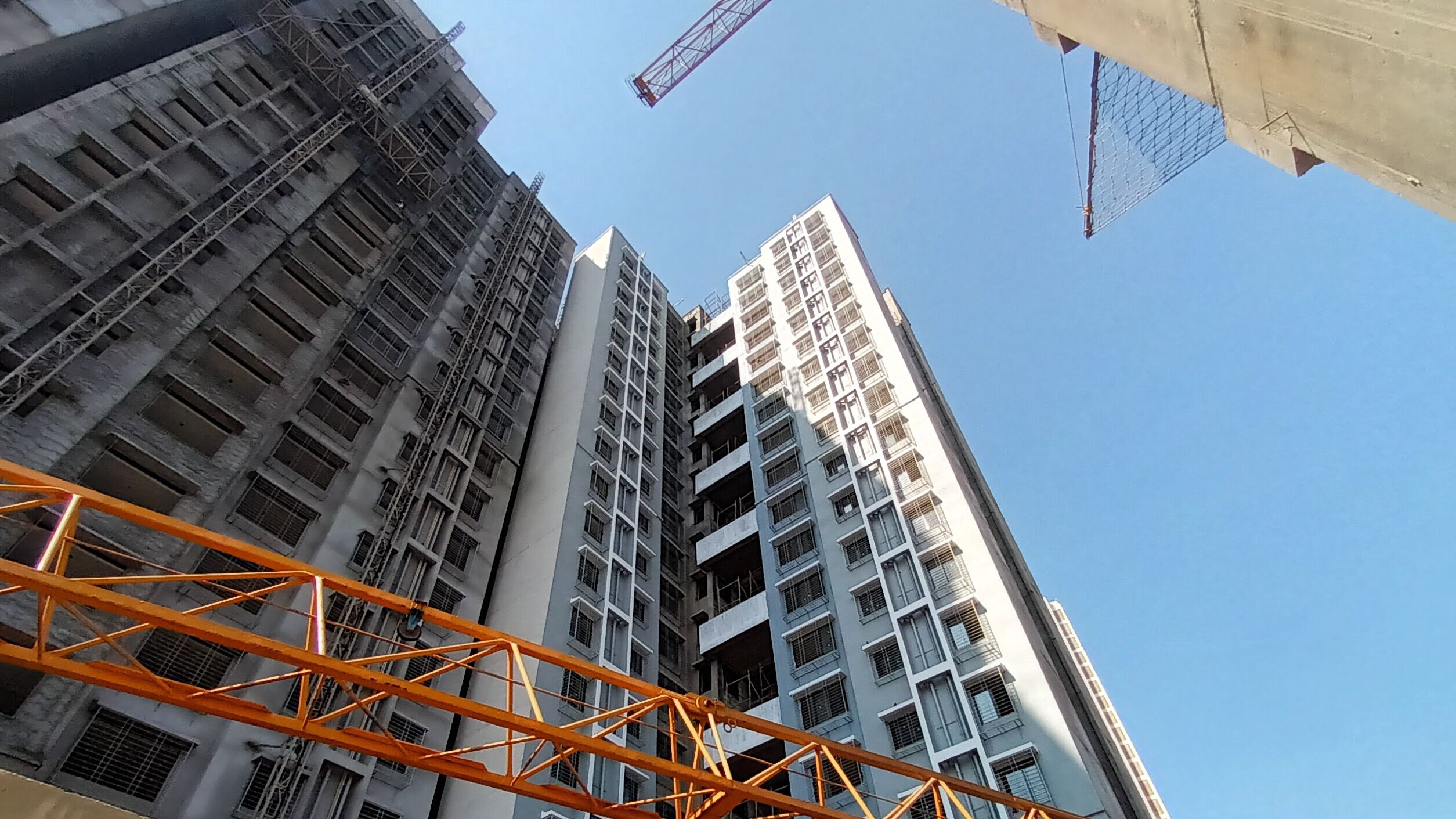
Mumbai has opened applications for over 2,600 subsidised homes under the latest lottery by Maharashtra Housing and Area Development Authority. The initiative aims to expand formal housing access across income segments while addressing persistent affordability challenges in one of India’s most expensive real estate markets.
The new round of allotments spans multiple neighbourhoods across the city, including established residential and emerging suburban zones. By distributing units across diverse locations, authorities are attempting to balance affordability with access to employment hubs, public transport, and essential services—key factors that determine long-term liveability. Officials indicate that the application process has been fully digitised, with registrations opening at the end of March and closing by late April. A structured timeline for scrutiny, grievance redressal, and final allotment has been laid out, reflecting an effort to improve transparency and efficiency in the lottery-based housing system.
The housing stock is divided across income categories, covering economically weaker sections, lower-income households, and middle-income groups, along with a smaller allocation for higher-income buyers. This distribution is designed to promote mixed-income communities while ensuring that public housing programmes remain inclusive and financially viable. A notable portion of the inventory comprises under-construction units, alongside completed homes and those sourced through developer-linked housing schemes. Urban development experts point out that such a mix allows authorities to leverage private sector participation while accelerating housing delivery timelines. However, they also stress the importance of timely completion and quality assurance, particularly for projects still under development.
The Pradhan Mantri Awas Yojana framework continues to influence urban housing policy, encouraging states to scale affordable housing supply through subsidies, land support, and regulatory incentives. In Mumbai, where land costs remain a major barrier, such interventions are critical to expanding ownership opportunities for lower and middle-income households. From a broader perspective, the MHADA lottery also plays a role in formalising housing demand. By providing a regulated pathway to home ownership, it reduces reliance on informal housing markets and supports more planned urban growth. This, in turn, contributes to improved service delivery, better infrastructure planning, and enhanced climate resilience.
Urban planners note that the success of such schemes will increasingly depend on integration with mobility networks, social infrastructure, and green building practices. Affordable housing that is well-connected and energy-efficient can significantly improve quality of life while reducing long-term environmental impact. As applications open and demand is assessed, the latest MHADA lottery will serve as a key indicator of housing affordability pressures in Mumbai. The outcomes are likely to shape future policy decisions on scaling supply, improving financing access, and ensuring that urban growth remains inclusive and sustainable.
Mumbai Launches Sale Of 2640 Affordable Homes Applications Begin Today