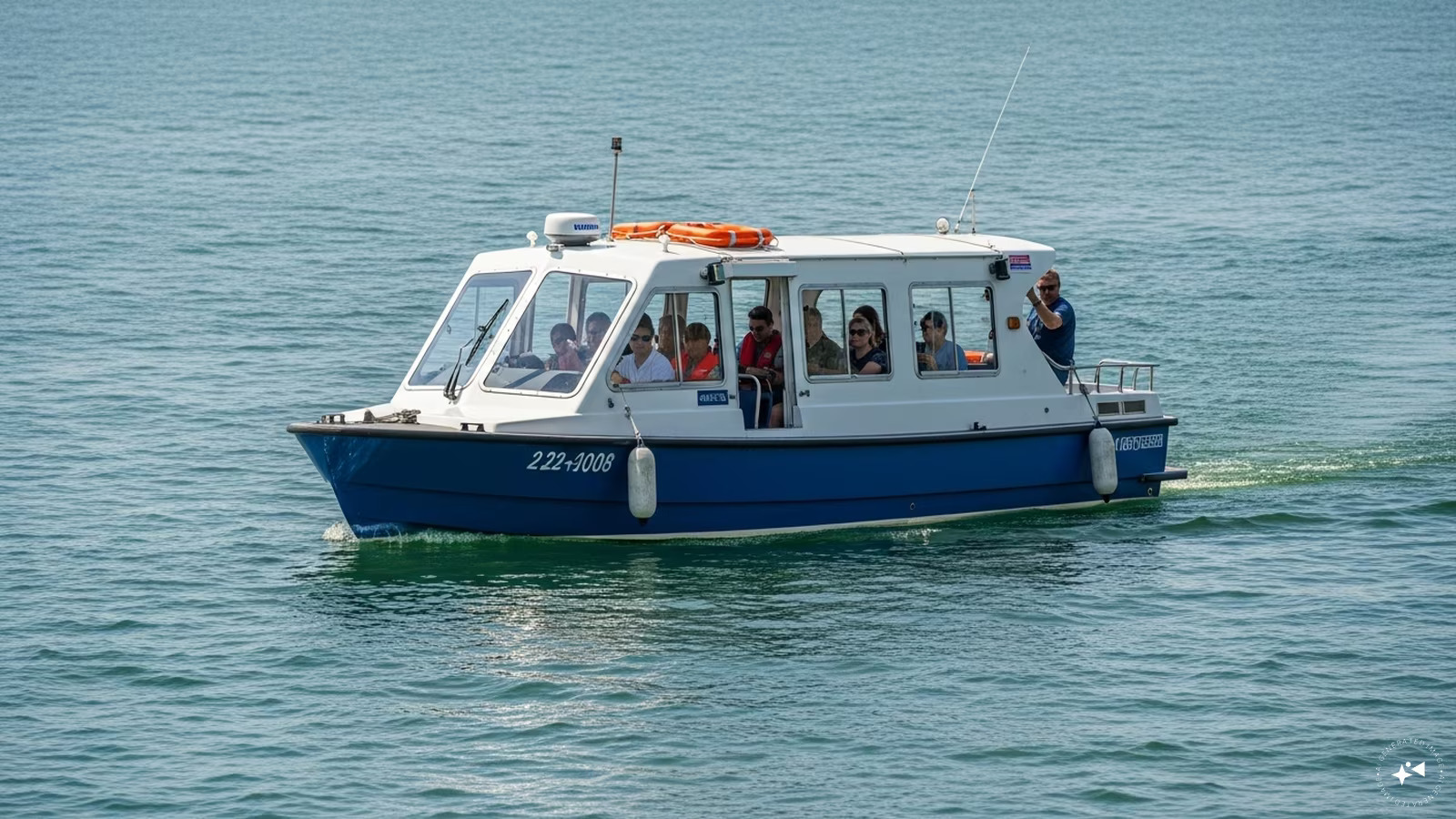
Mumbai is set to expand its urban mobility options with the imminent introduction of electric water taxi services, signalling a step forward in sustainable transport solutions for the city. The first set of air-conditioned, electric-powered vessels has arrived in the city, with trial runs underway and commercial operations expected to commence around March 10, connecting the Domestic Cruise Terminal in South Mumbai to the Jawaharlal Nehru Port Authority (JNPA).
The project, implemented by a leading freight and logistics group in collaboration with a private operator, aims to reduce travel time across the harbour while providing a low-carbon alternative to traditional water transport. Each vessel accommodates 20 passengers, offering air-conditioned, cushioned seating, onboard toilets, and advanced navigation systems. The boats are constructed using fibre and glass materials, designed for stability and efficiency in harbour conditions. Industry experts note that the electric water taxis could significantly shorten the commute between South Mumbai and Navi Mumbai. Conventional wooden boats typically take over an hour for the route, while the new vessels, cruising at approximately 10 nautical miles per hour, are expected to complete the journey in under 40 minutes. Powered by twin 25 kW motors and a 60 kWh battery pack, the boats can operate continuously for up to four hours on a single charge, with recharging times of less than one hour, reducing both energy costs and emissions.
The project’s phased approach also includes hybrid vessels combining solar energy, electric batteries, and diesel backup systems, alongside fully electric boats. Urban planners view this as an important pilot for integrating cleaner transport into Mumbai’s crowded transport ecosystem, while maintaining service reliability and passenger comfort. Senior officials emphasise that reducing fossil fuel dependence in water transport aligns with broader climate-resilience and zero-carbon city objectives. Looking ahead, the operator plans to expand the service network, potentially linking South Mumbai with Elephanta Caves, Belapur, and Alibaug, as well as developing harbour tourism circuits. Future phases could see the introduction of hydrogen-powered vessels, contingent on the installation of supporting generator infrastructure, reflecting a long-term commitment to low-emission transport.
As Mumbai continues to grapple with road congestion and pollution, these water taxis represent a strategic effort to diversify urban mobility, improve travel efficiency, and reduce the city’s carbon footprint. Officials are monitoring the initial rollout closely, aiming for smooth integration with existing transport systems and scalable adoption across the metropolitan region.
Mumbai Launches Electric Water Taxi Services Soon